Build the page around a comparison
A farm insect handwritten newspaper is easier to understand when it focuses on one clear question. Comparing ladybugs and aphids in cotton fields gives the page a strong theme and helps young students organize ideas better.
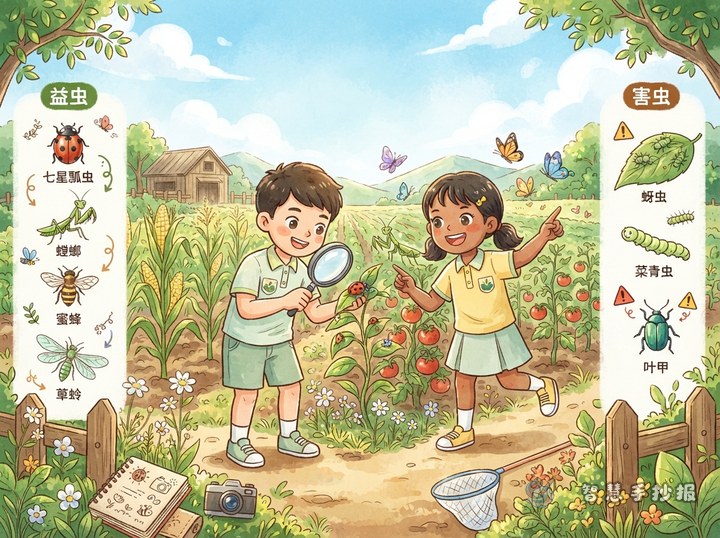
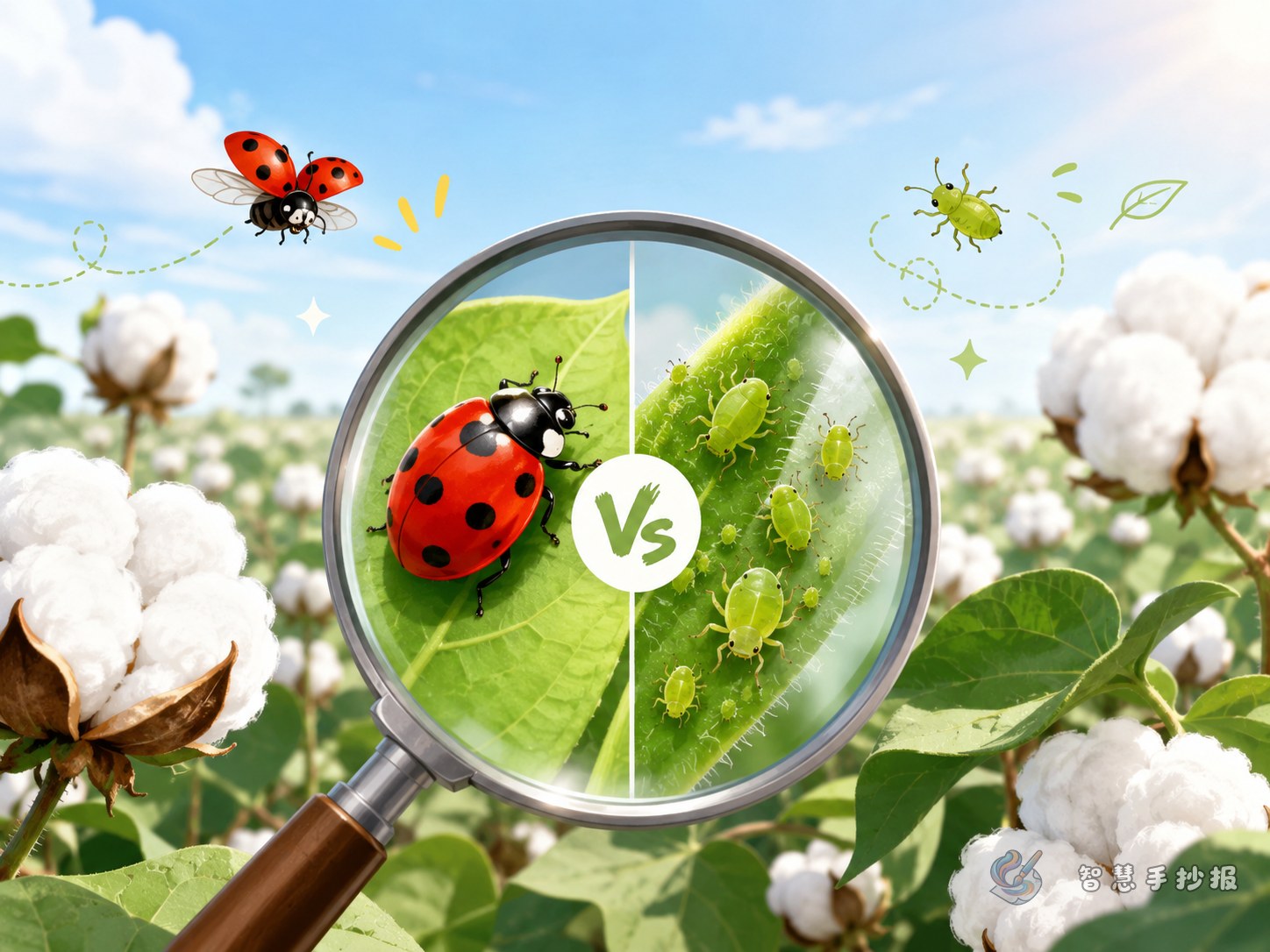
A practical layout is to place ladybugs on the left, aphids on the right, and a bold label such as 'beneficial insect' and 'pest insect' in the middle. This makes the main idea visible at first glance.
Ready-to-use writing material
About the ladybug
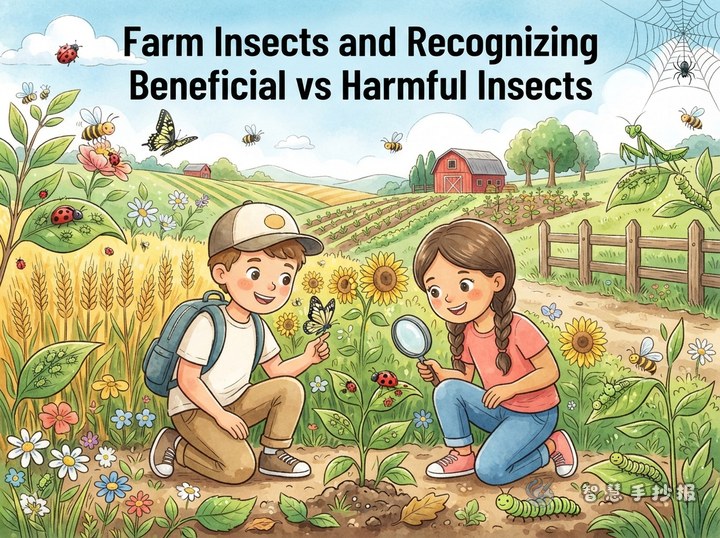
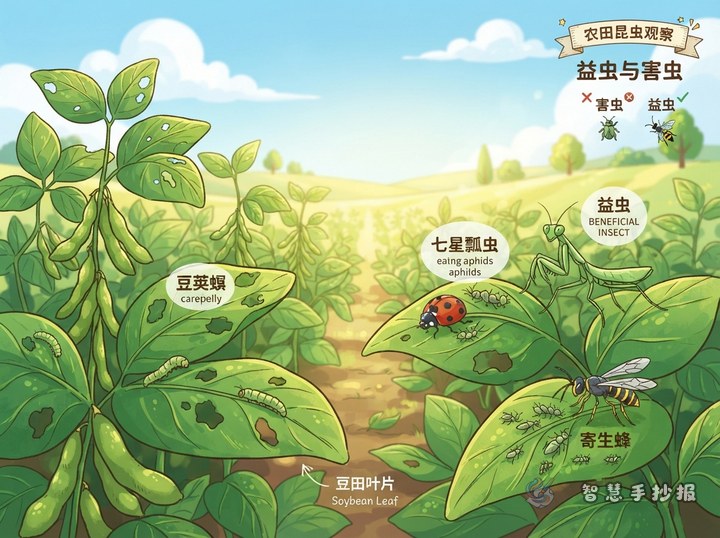
Ladybugs have round bodies, a raised back, and bright colors. Some have black spots. They often feed on aphids and other tiny pests, so they help protect crops in the field.
About the aphid
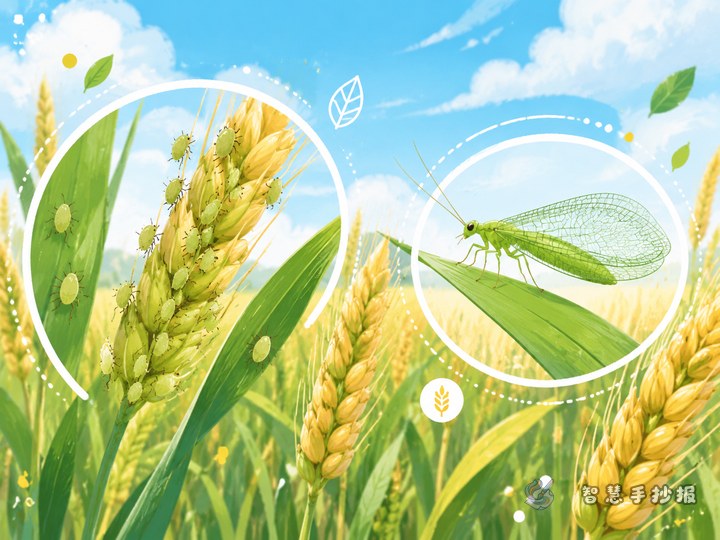
Aphids are very small insects that often gather in groups on tender leaves, stems, and buds. They survive by sucking plant sap and can weaken cotton plants, so they are common pests.
Quick comparison lines
- Ladybug: Eats pests and helps crops grow better.
- Aphid: Damages plants and affects leaves and new shoots.
- Observation tip: Check body shape, color, grouping, and what the insect is doing on the plant.
Four sections are enough for a clear page
- Insect profile: Write the appearance, color, and usual location of each insect.
- Who helps the field: Explain that ladybugs prey on pests and are beneficial.
- Who harms cotton: Explain that aphids suck sap and weaken plant growth.
- My observation notes: Add one or two simple notes, such as where tiny insects are easier to spot.
This structure keeps the page focused on a handwritten newspaper style instead of turning it into a general science article.
Simple layout ideas for students
If the paper is horizontal, draw a cotton plant or cotton boll in the center and split the page into two parts. Use green or yellow for the title to create a farmland feeling. Small decorations like leaves, magnifying glasses, or insect tracks can make the page livelier.
- Put a large title at the top.
- Use the middle area for a 'Ladybug VS Aphid' chart.
- Leave space at the bottom for tips on protecting beneficial insects.
- Add short captions in the corners to make the page more interesting.
A short but effective ending
The ending can remind readers that not every insect in the field harms crops. We should learn to observe and identify them carefully. Beneficial insects like ladybugs deserve protection, while pests like aphids should be noticed early.
If you want to improve the final page with better title styles, section blocks, and color matching, you can continue designing in the Smart Handwritten Newspaper WeChat mini program.