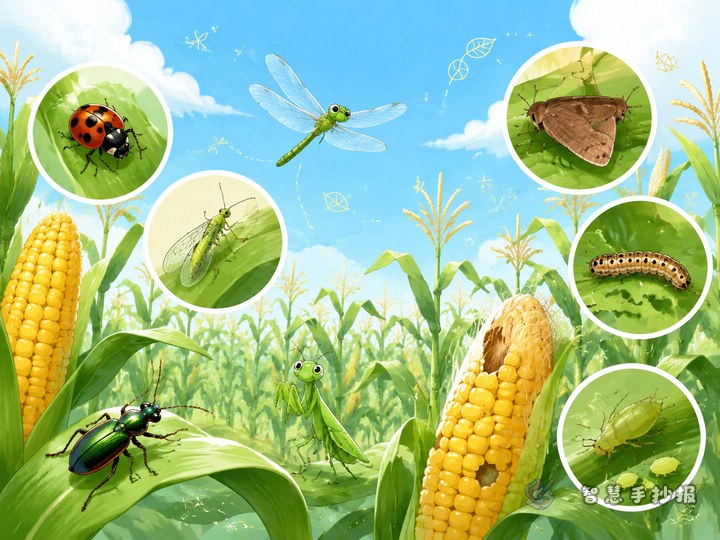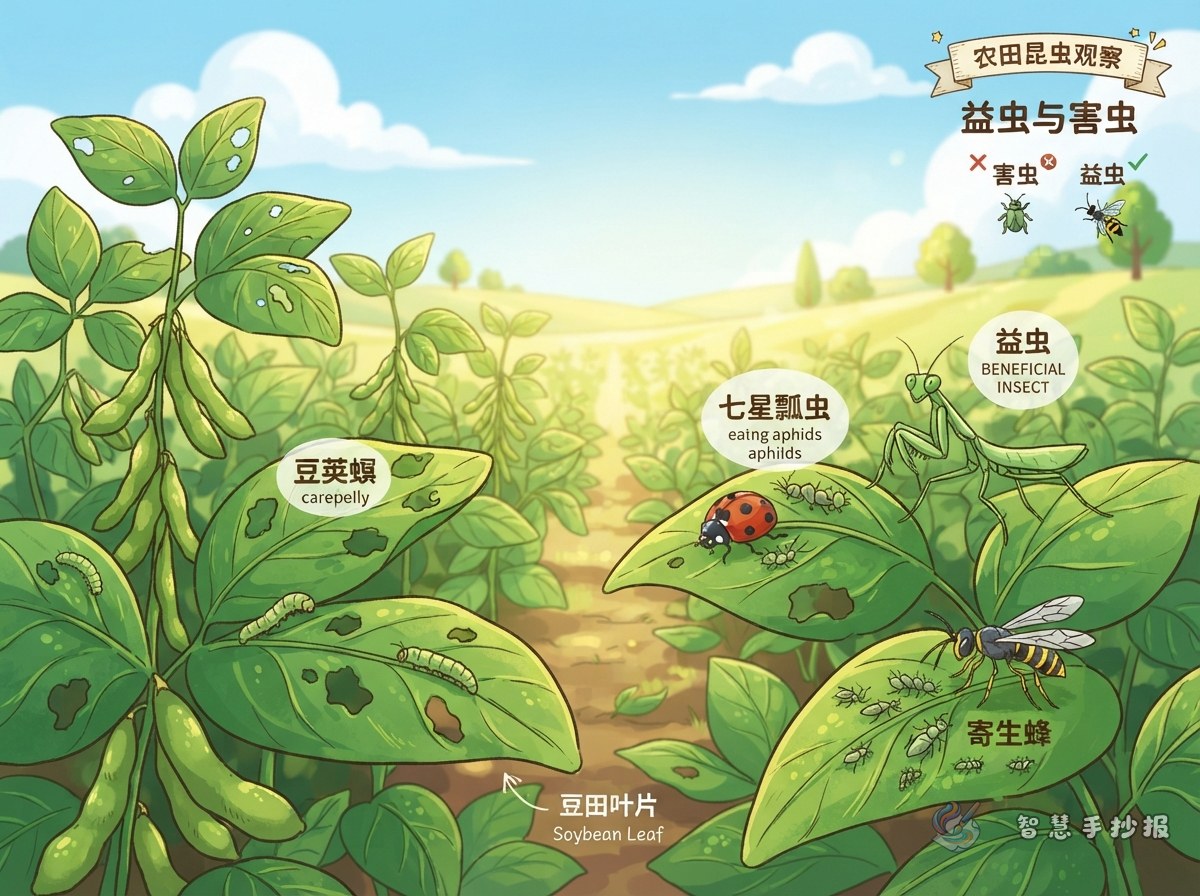
Begin with a Soybean Leaf Full of Clues
This poster can open like a field mystery. Round holes, ragged edges, curled leaves, and exposed veins suggest different feeding patterns. Damage alone cannot identify an insect, so students should also note its body shape, location on the plant, behavior, and time of activity.
Build a Soybean Field Detective Chart
Signs That May Point to Pests
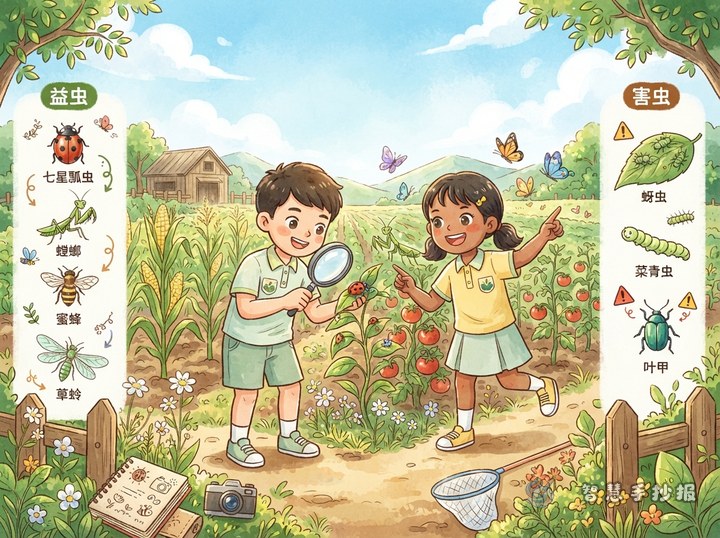
- Small holes or notches: Leaf beetles or caterpillars may have chewed the leaf.
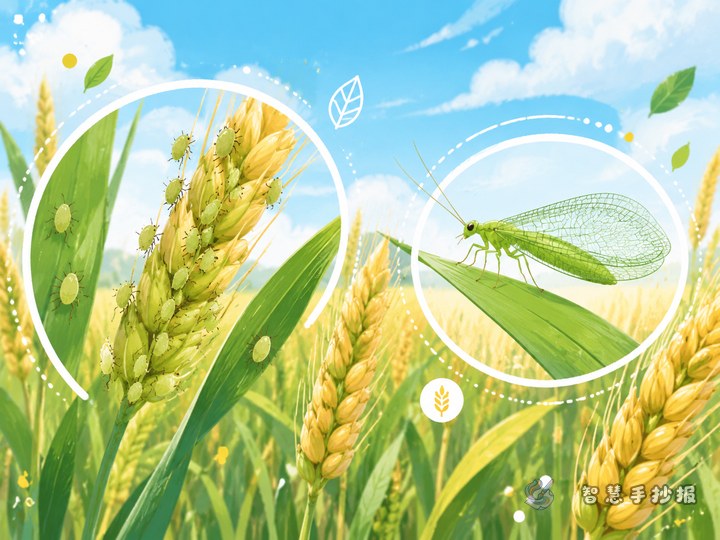
- Curled young leaves with clustered insects: Check for aphids feeding on plant sap.
- Holes and waste on soybean pods: A larva may have bored into the pod.
- Seedlings cut near the soil: Record whether a night-feeding cutworm could be involved.
Helpful Insects to Protect
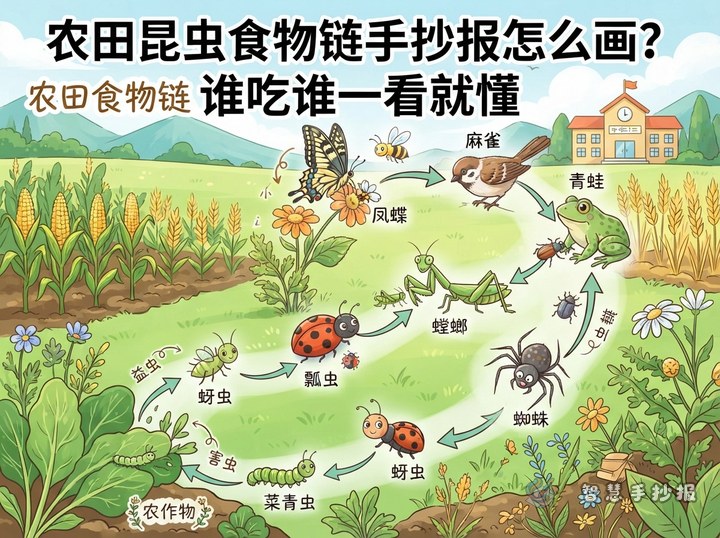
- Hoverflies: Adults often visit flowers, while the larvae of some species eat aphids.
- Parasitic wasps: Some develop in pest eggs or larvae and help limit pest populations.
- Lacewings: Their larvae prey on aphids and other small pests, so they should not be disturbed.
A Short Fact Box for the Poster
An insect should not be labeled by how frightening it looks. Use a four-part check: locate it on the leaf, stem, or pod; observe whether it chews or sucks sap; study the mark left on the plant; and look for nearby food such as aphids or insect eggs. Combining behavior with plant damage gives a more reliable answer.
Protecting beneficial insects supports a healthier field. If an insect is unfamiliar, photograph and record it before asking a teacher or knowledgeable adult. Do not touch unknown insects or spray chemicals without guidance. A varied field edge can also provide food and shelter for helpful species.
Turn the Layout into an Investigation Trail
- Place a soybean plant with several types of damage beside the main title.
- Use the left section as the leaf scene, with small drawings of holes, notches, curls, and pod damage.
- Create insect identity cards in the center for pests, beneficial insects, and species not yet identified.
- Put the four-part check and safe-observation rules on the right.
- Add a field notebook strip at the bottom for date, weather, location, and behavior.
Use leaf green, soil brown, and warm yellow as the main colors. Reserve red for warnings, keep borders open, and place short captions beside each insect drawing so readers can follow the clues easily.
Add a Question for the Reader
Include a “pest or helper?” challenge, but explain the evidence behind each answer instead of relying on labels. After organizing the facts, readers can continue in the Smart Handwritten Poster WeChat Mini Program to choose a layout, arrange sections, and prepare a poster for printing or hand copying.