
Start with the flowers
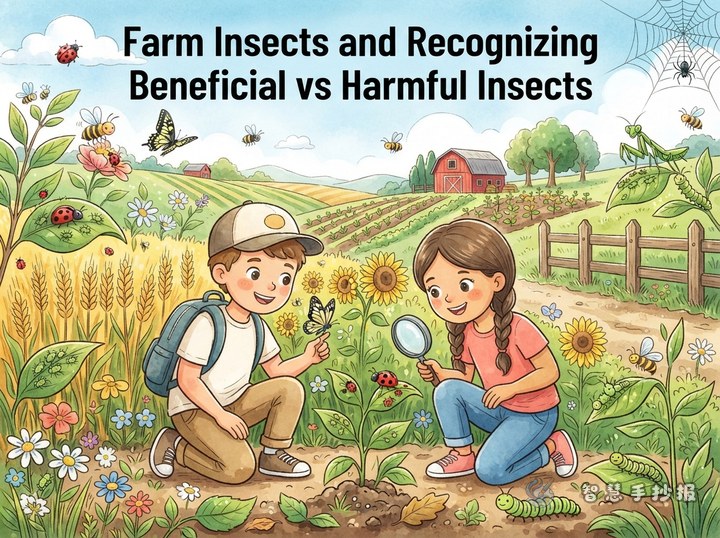
Build the poster around a flowering crop and the insects that visit it. Bees and some hoverfly adults visit flowers, and some visitors can help with pollination. Encourage readers to notice where an insect is, what it looks like, and what it is doing rather than judging by color alone.
Give each field visitor a role
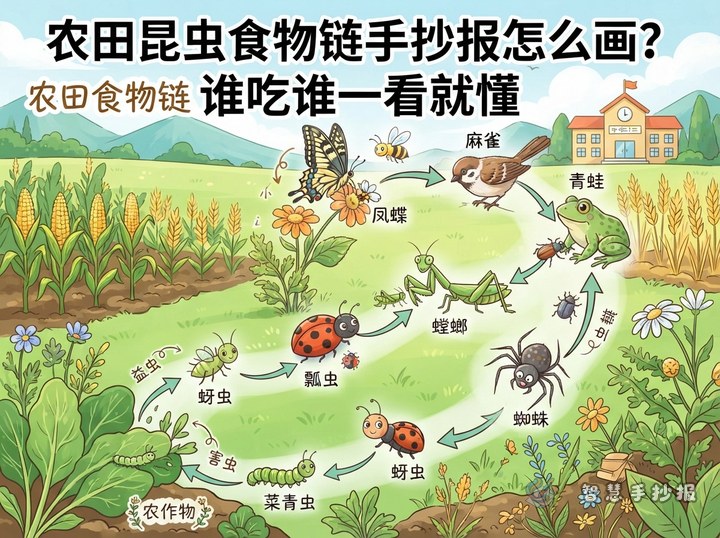
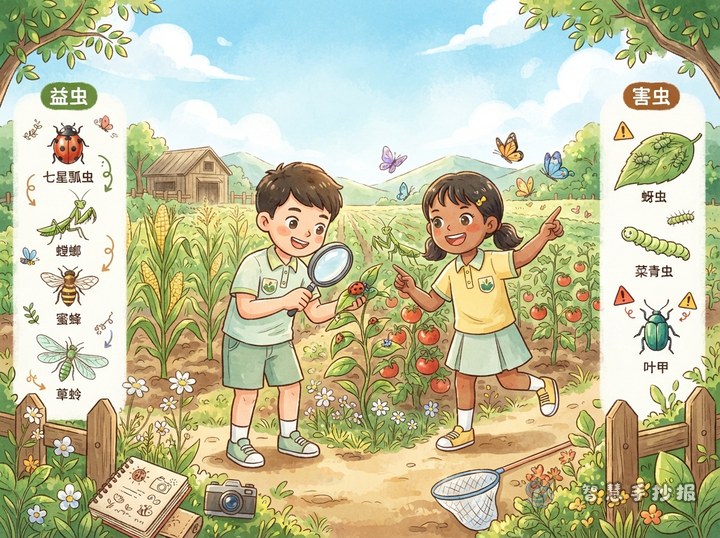
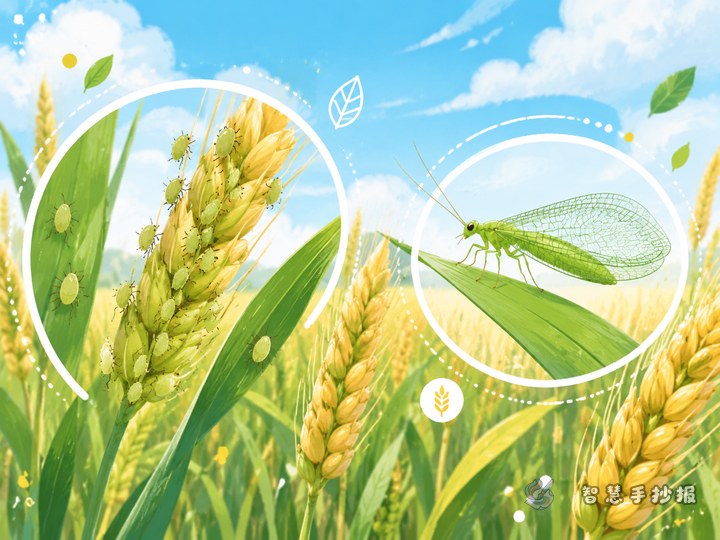
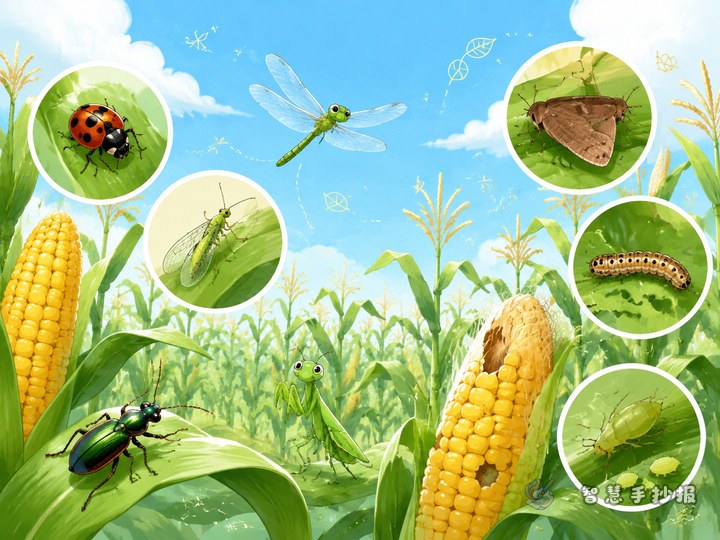
Place a small “insect work station” map in the center, with sections for pollination helpers, predators, and plant feeders. Ladybugs and lacewing larvae often prey on aphids; butterflies and bees may be involved in pollination; aphids and cabbage white caterpillars feed on certain crops. Habits can vary by species and life stage, so describe common roles instead of labeling every insect as simply good or bad.
Make an observation card
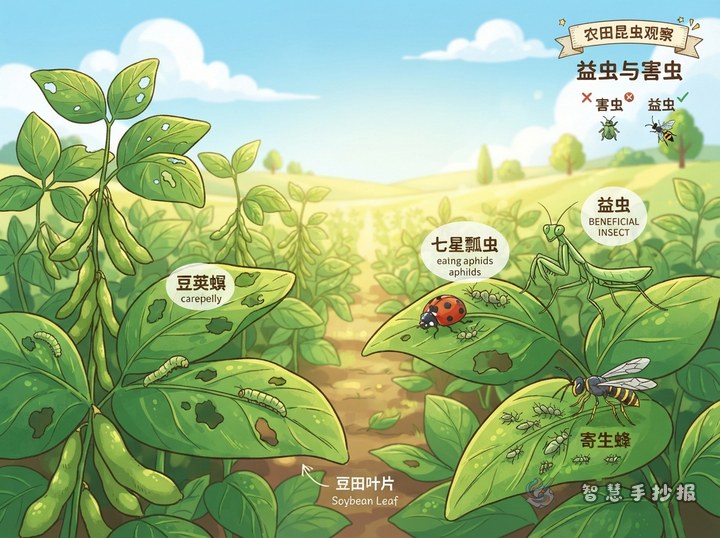
Add a card with four prompts: where it was found, what it looked like, what it was doing, and what was happening to nearby plants. A note such as “aphids on the underside of a leaf, with a ladybug larva nearby” gives more detail than a quick label. Do not handle unfamiliar insects or caterpillars, and never use pesticides for a school observation.
Arrange the page like a field map
Use a crop field as the background, place the observation card on one side, and add three compact panels for pollination, predation, and plant feeding. Use icons or arrows to show roles, with short captions and green and yellow as the main colors. You can continue arranging the sections and layout in the WeChat mini program 智慧手抄报.