Turn the topic into a “Wheat Field Detective” page
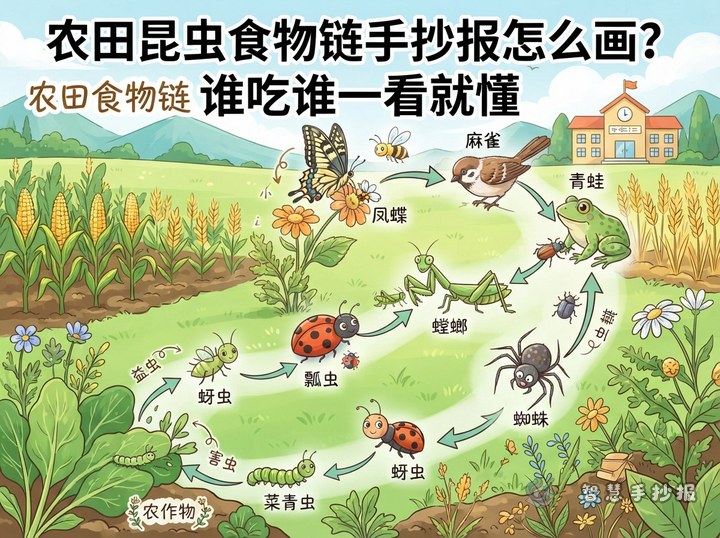
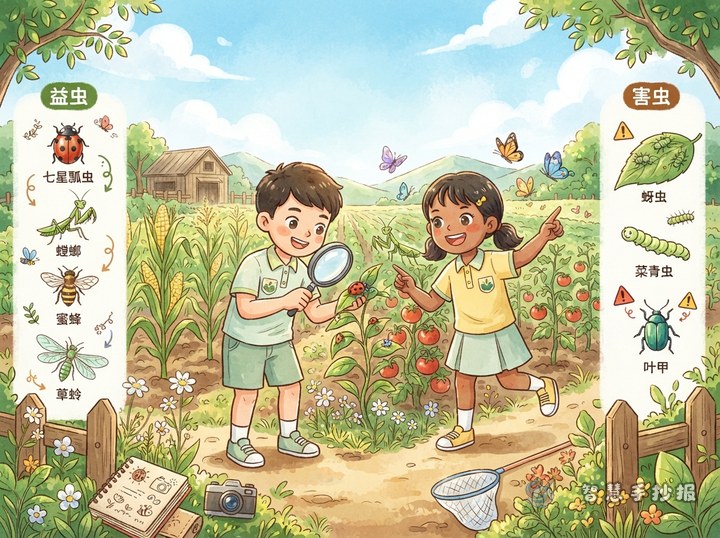
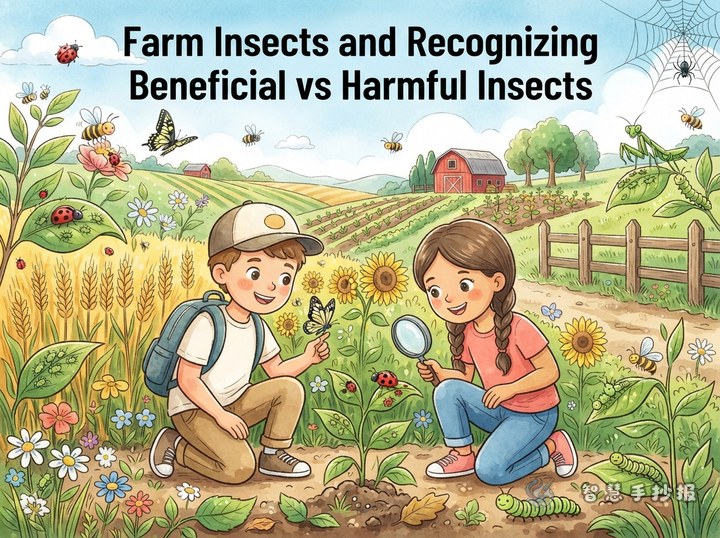
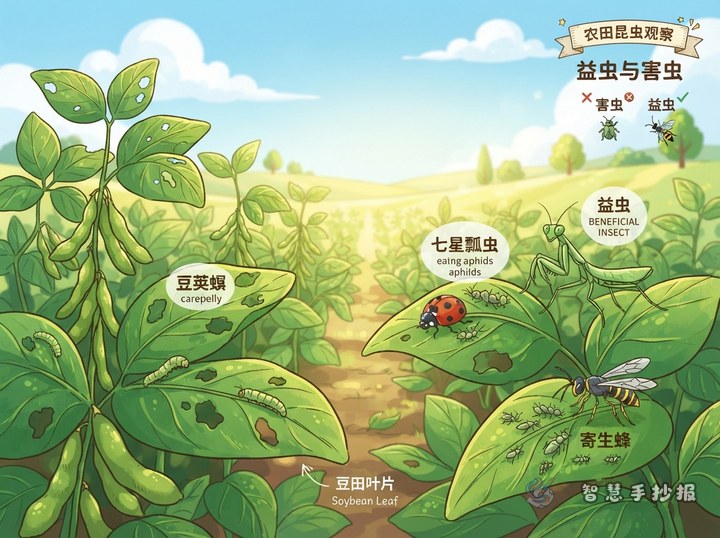
This handwritten newspaper can focus on identifying insects in a wheat field. Instead of listing many insects, follow one clear clue: which insects harm wheat plants, and which ones help protect the field. A suitable main title could be “Wheat Field Detective: Aphids and Lacewings.”
You may begin with a short introduction: A wheat field is not only full of green leaves and golden heads of grain; it is also home to many small insects. Some suck plant sap and weaken the crop, while others eat pests and help keep the field balanced. Learning to observe their shape and behavior helps us understand farm ecology.
Three insects to feature on the page
Wheat aphids: tiny sap-sucking pests
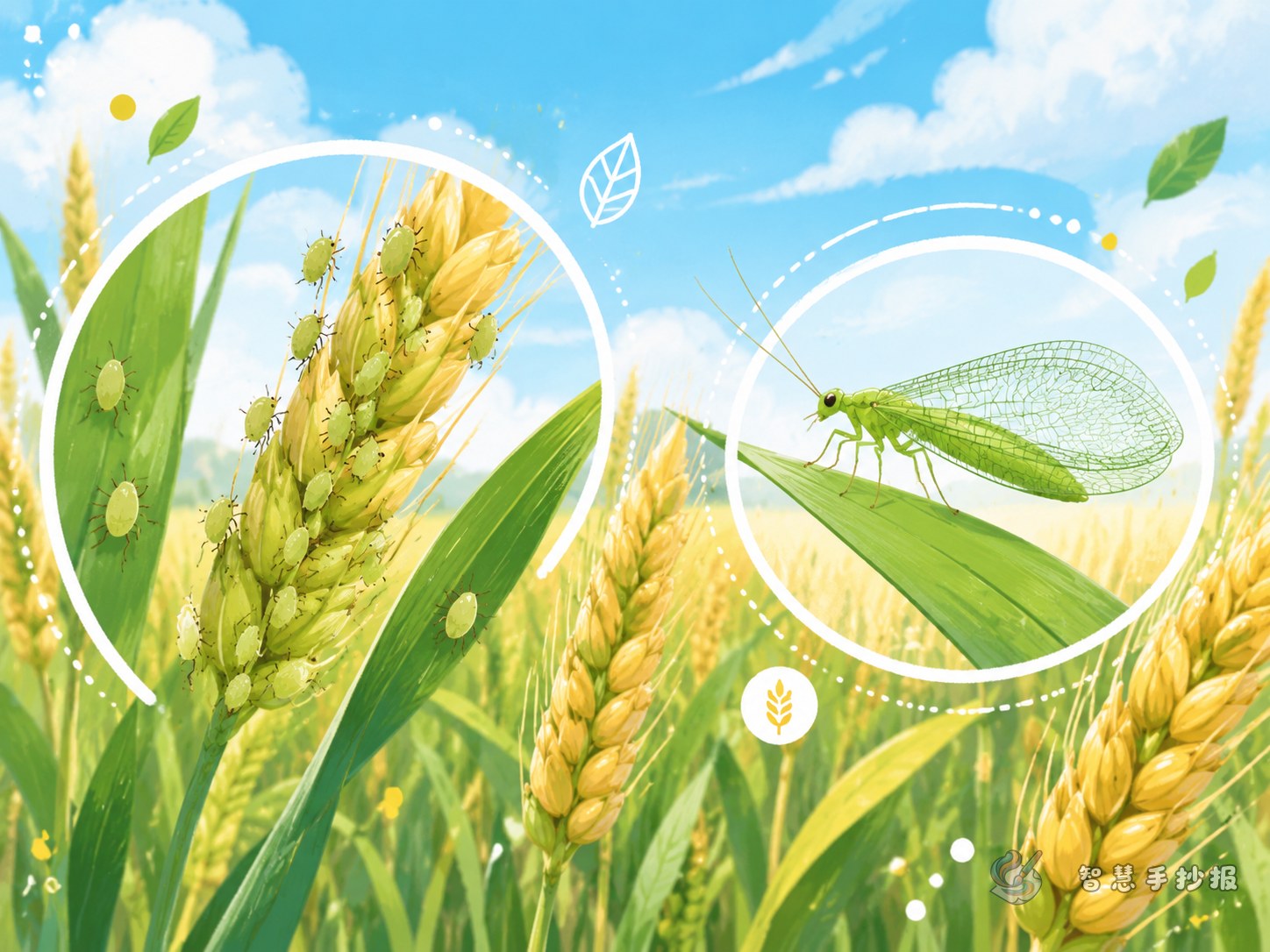
Wheat aphids often gather on leaves, stems, or grain heads. They are small and may look green, yellow, or dark brown. They use their mouthparts to suck sap from the plant. When there are many of them, wheat plants may grow poorly. In the handwritten newspaper, place them in the pest file with three keywords: small, clustered, sap-sucking.
Lacewings: delicate wings, strong pest control
Adult lacewings have slender bodies and transparent, net-like wings. Lacewing larvae feed on aphids and other tiny pests. You can draw a green insect with clear wings and write: “Lacewing larvae eat aphids, so they are helpful insects in wheat fields.”
Hoverflies: bee-like helpers in the field
Adult hoverflies may look a little like small bees, but their larvae can eat aphids. This is a good reminder for students: when identifying insects, do not judge only by whether they look scary. Look at what they eat and what role they play.
Short writing materials for students
- Identification tip: insects that gather and suck plant sap are often pests; insects that eat aphids are often helpful.
- Observation note: look at where the insect appears, what it eats, and whether there are many of them.
- Protect helpful insects: lacewings and hoverflies can reduce aphids and support the farm ecosystem.
- Scientific attitude: if you find an unknown insect, do not hit it at once. Record its features and ask a teacher or check reliable materials.
Design the layout like a detective file
Divide the paper into four parts: a wheat field and magnifying glass in the upper left, a pest file in the upper right, a helpful insect file in the lower left, and an observation diary with a simple identification rhyme in the lower right. Use orange or light red borders for pests and green borders for helpful insects.
The drawings do not need to be complicated. Add wheat heads, leaves, a magnifying glass, tiny aphid dots, transparent lacewing wings, and a striped hoverfly body. Keep each section short, with three to five sentences, so the page stays neat and easy to read.
End with a message about protecting nature
A good closing sentence could be: A wheat field is a small ecological world where both pests and helpful insects appear. We learn to identify insects not only to control pests, but also to protect useful insects and respect nature. To turn these ideas into a neat page, students can continue designing the layout and colors in the Zhihui Shouchaobao WeChat mini program.