Start with a clear theme: a pagoda is more than just a tall building
When making a handwritten newspaper about ancient pagoda culture, begin with a simple theme line such as “Discover the beauty of Chinese pagodas” or “History and wisdom inside an ancient pagoda”. A clear theme makes the page easier to organize and gives the whole work a stronger focus.
Ancient pagodas are important examples of traditional Chinese architecture. Common forms include pavilion-style pagodas and multi-eaved pagodas. For elementary school students, it is enough to focus on four simple points: appearance, basic function or impression, cultural meaning, and how to appreciate them.
Useful sections to include on the page
Section 1: What does an ancient pagoda look like?
- It rises upward in layers and looks tall and balanced.
- Common parts include the top finial, eaves, base, and entrance.
- Some pagodas were built with brick and wood, while others mainly use brick or stone.
Section 2: Why are pagodas so attractive?
- The shape is dignified and rhythmical.
- Layered eaves make great decorative lines for page design.
- Many pagodas are connected with famous scenery and local memories.
Section 3: My understanding of pagoda culture
You can write that a pagoda is not only a building, but also a standing page of history. It shows the ideas, skills, and aesthetic taste of people in the past.
Section 4: How to protect traditional buildings
- Do not draw or write on old structures.
- Do not climb into unsafe areas.
- Keep the surroundings clean and visit politely.
Short text materials ready to use
Text 1: Ancient pagodas are important symbols of traditional architecture. Their layered forms show both strength and beauty.
Text 2: A pagoda often witnesses the changes of a city and keeps memories of history alive.
Text 3: To appreciate a pagoda, we should not only look at its height, but also its proportion, structure, and details.
Text 4: Protecting ancient pagodas means protecting traditional culture and the beauty of Chinese architecture.
Page layout ideas that look neat and lively
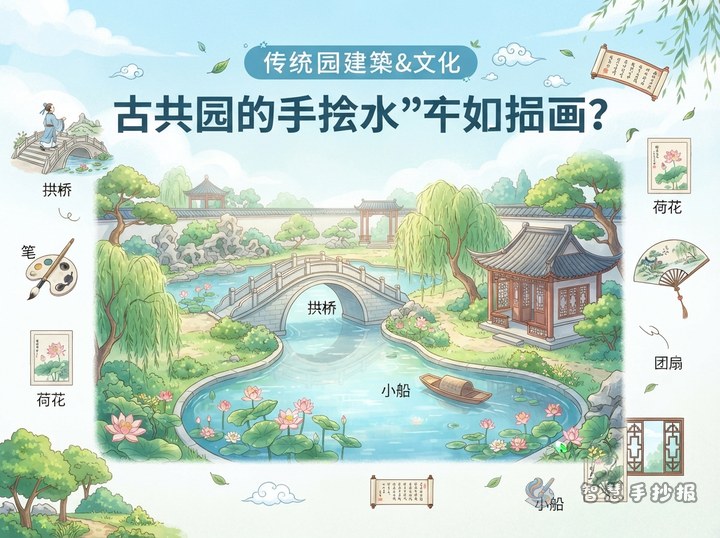
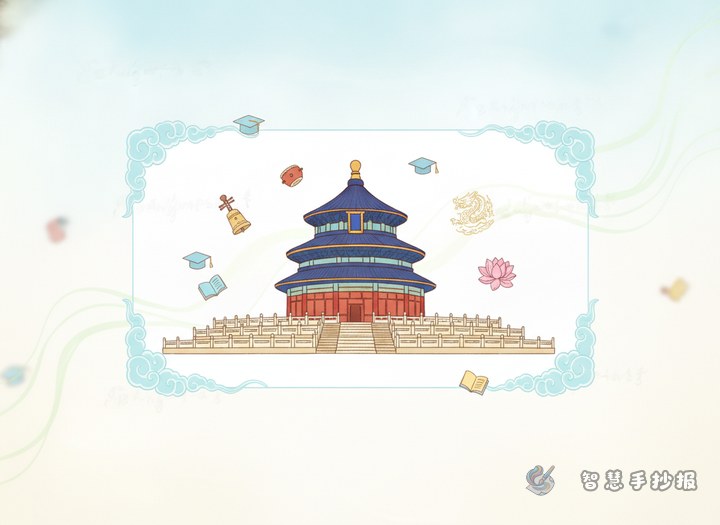
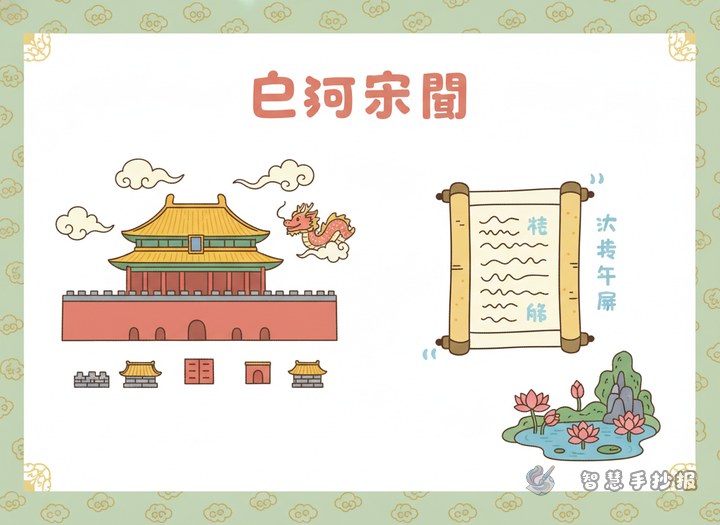
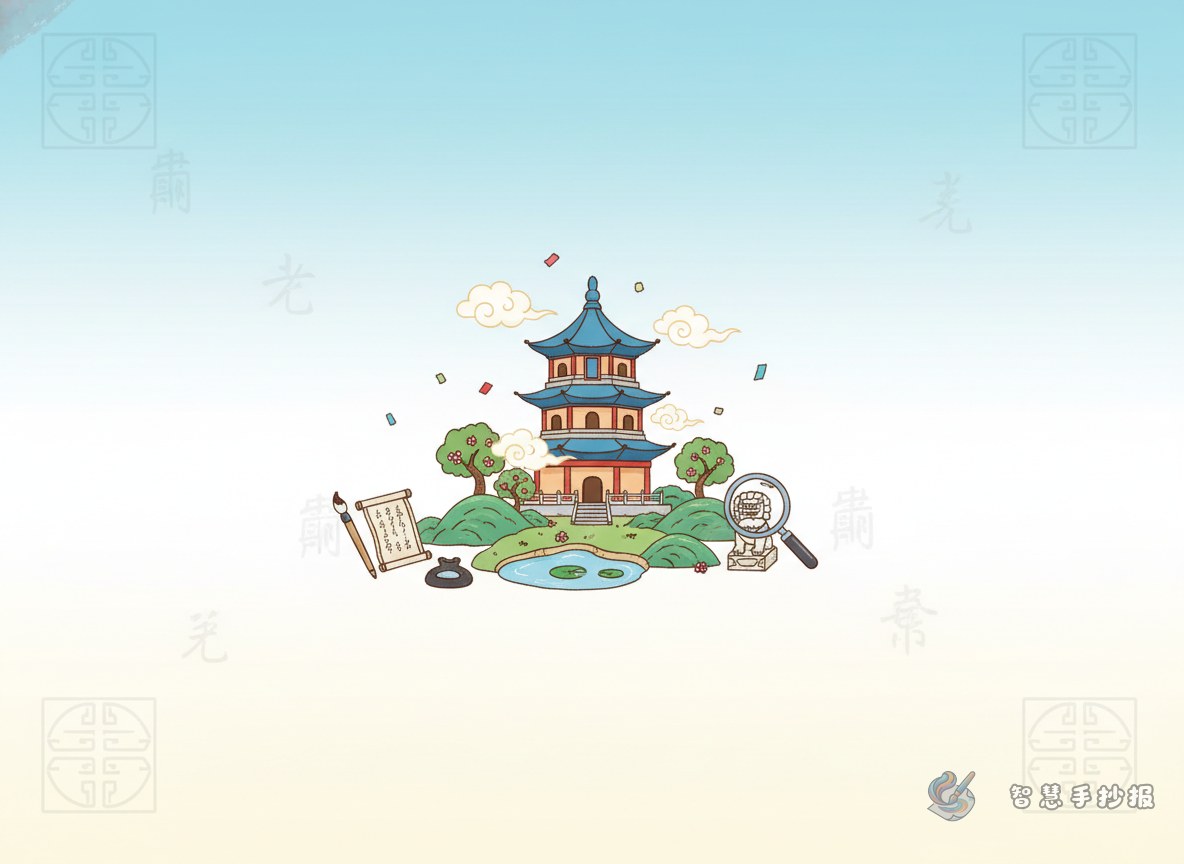
Place a large pagoda drawing in the center as the visual focus. Put “Appearance Features” on the left, “Cultural Meaning” on the right, and add “Text Materials” plus “Protection Tips” at the bottom. This creates a stable page structure that matches the upward form of a pagoda.
- Use dark red, ink black, and golden tones for the title.
- Add borders with cloud patterns, roof lines, or tile motifs.
- Small decorations can include pine trees, steps, bells, and distant hills.
- If the page feels empty, add a small box called “My favorite sentence about pagodas.”
Color choices and writing tips
Use brown, gray-blue, dark red, or light gold for a traditional feeling. Keep the title larger, subtitles uniform, and body text tidy. When drawing a pagoda, first sketch the overall outline, then add several eave layers and windows. Even a simple drawing can look effective.
If you want to keep improving your page, adjust title styles, or find more materials for a traditional architecture theme, you can continue exploring ideas in the Zhihui Shouchaobao WeChat mini program.