Build the page around one clear idea
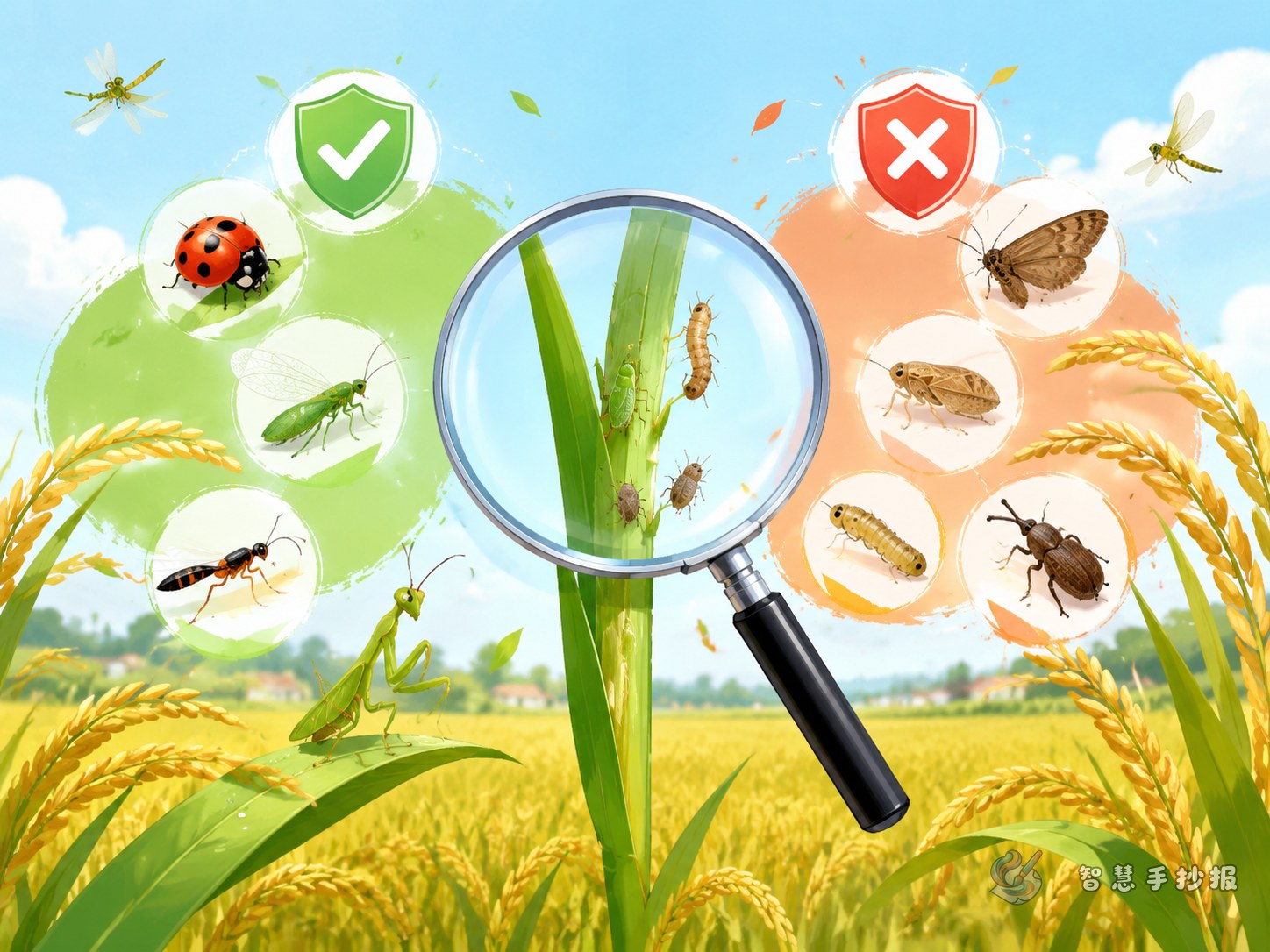
The best way to present this hand-copy newspaper is to focus on which insects help rice and which insects harm it. Instead of listing many insect names without order, this approach makes the topic easier to understand for students, parents, and teachers. Under the main title, you can add a short line such as: Not every small creature in a rice field is bad, and learning the difference helps us protect crops better.
Useful sections you can place on the newspaper
Section 1: What are beneficial insects?
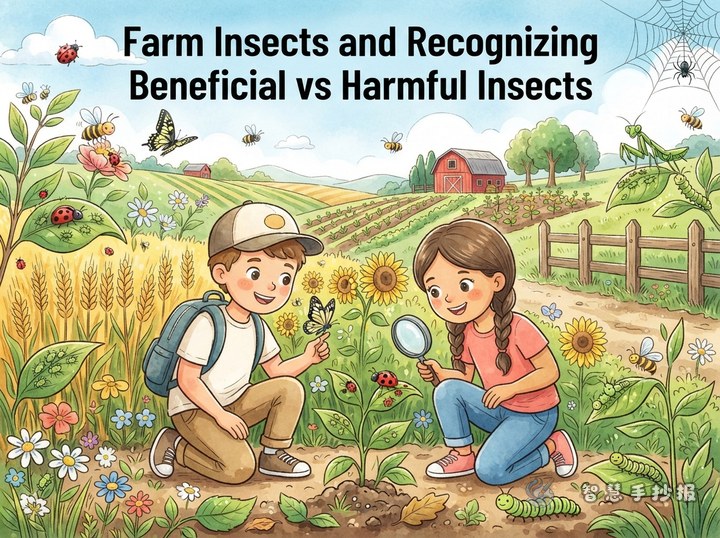
Beneficial insects are the insects or small arthropods that help crops. Some eat pests, while others help maintain balance in the field ecosystem. When beneficial species are present, pest outbreaks may be less severe.
Section 2: What are pests?
Pests are insects that damage rice plants by feeding on leaves, stems, sap, or grain parts. Students can identify them by observing signs such as curled leaves, weak plants, yellowing, or damaged stalks.
Section 3: Quick identification tips
- If it helps catch crop-damaging bugs, it is often a beneficial insect.
- If it chews leaves or sucks sap from rice, it is often a pest.
- Observe first and label later so your notes are more accurate.
Short writing materials for the main body
Common beneficial insects
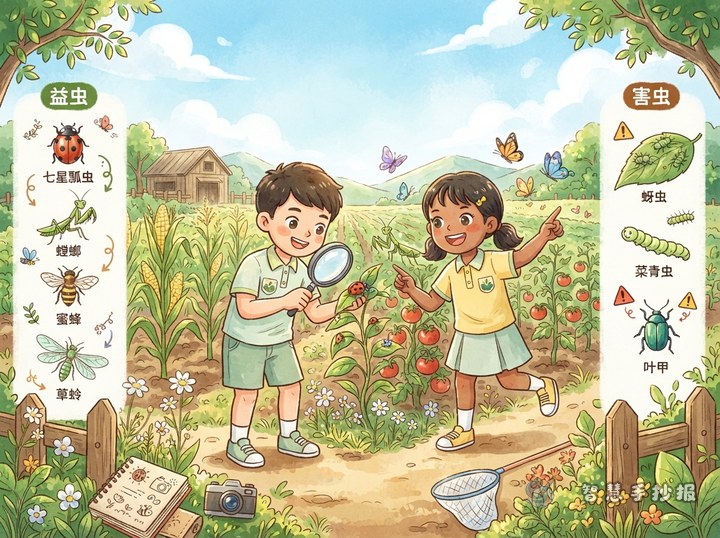
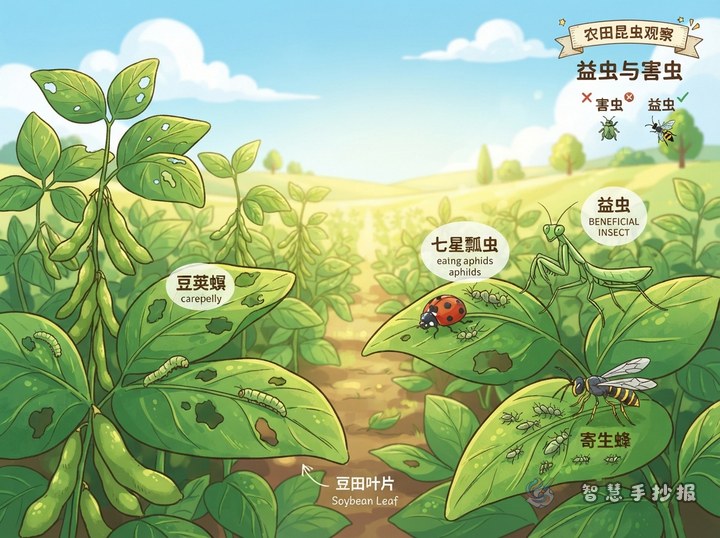
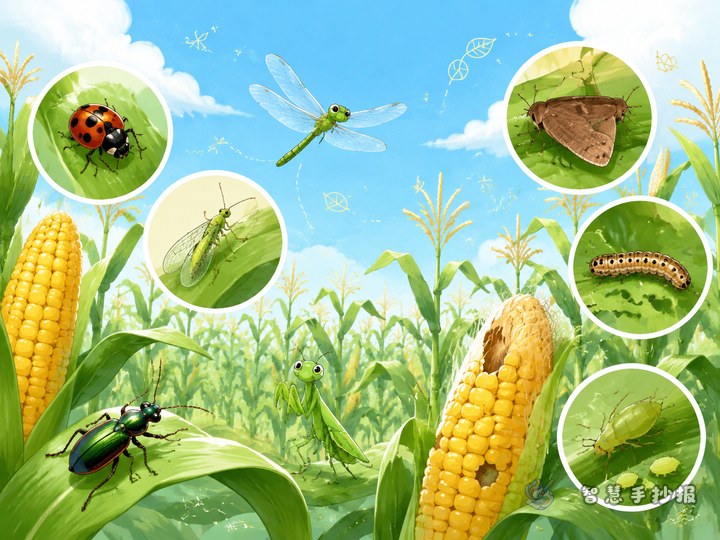
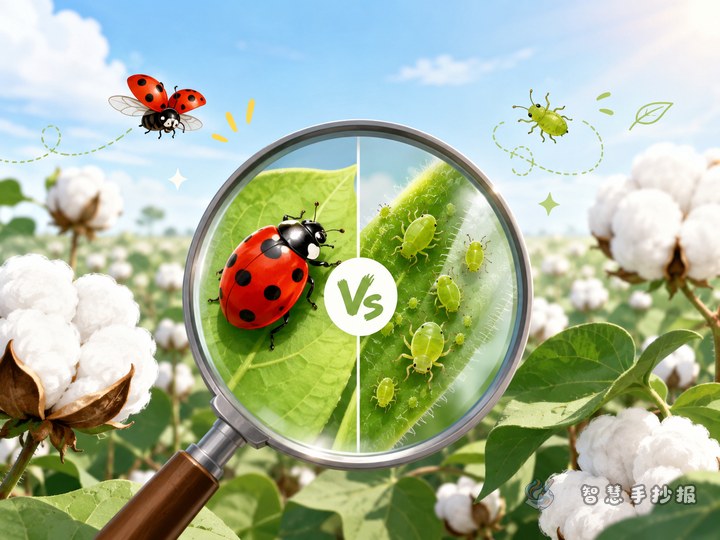
- Ladybug: Often feeds on small harmful insects and is a helpful friend in farmland.
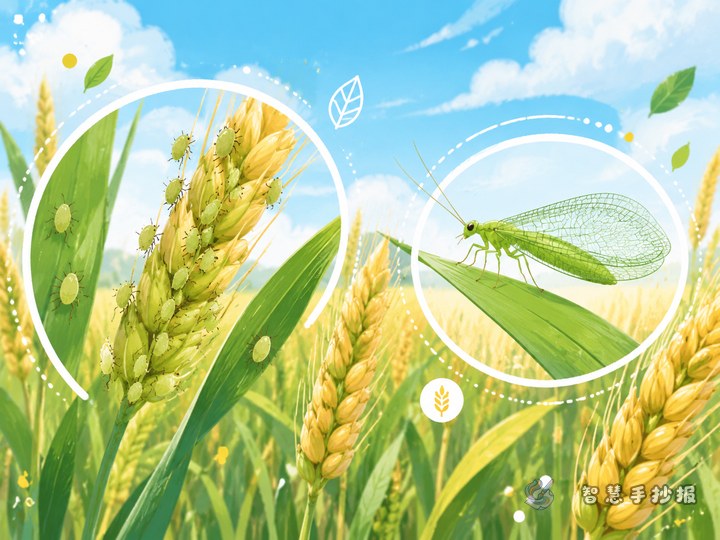
- Lacewing: Its young stage can eat many soft-bodied pests.
- Dragonfly: It catches small flying insects and is often seen near water.
- Spider: Not an insect, but still an important natural predator in the field.
Common pests
- Planthopper: Sucks plant sap and can weaken rice plants.
- Rice leaf folder: Rolls leaves and feeds on them, reducing healthy growth.
- Rice stem borer: Damages stems and can affect yield.
Observation note prompts
Students can write notes with three simple questions: Where did I find it? What was it doing? Did it help or harm the rice plant? This makes the newspaper feel more like a science project.
How to make the page look more like a rice field
You do not need a rigid box layout. A creative design is to draw the middle area as a rice field, place the title at the top, put beneficial insects on the left, pests on the right, and leave the bottom part for personal observation notes. Border ideas can include rice ears, water ripples, magnifying glasses, leaves, and tiny insect tracks.
- Main colors: green, golden yellow, and light blue.
- Use leaf-shaped or label-style boxes for subtitles.
- Highlight key words such as protect, observe, predator, and damage in bold.
A simple ending paragraph and action idea
A rice field is home to many small living things. Learning to identify beneficial insects and pests helps us understand farmland better and respect nature more. Careful observation and scientific thinking are important parts of protecting crops and the environment.
If the writing is ready and you want to polish the layout, colors, and final page design, you can continue your work in the Smart Hand-Copy WeChat mini program.