Choose a clear focus for the page
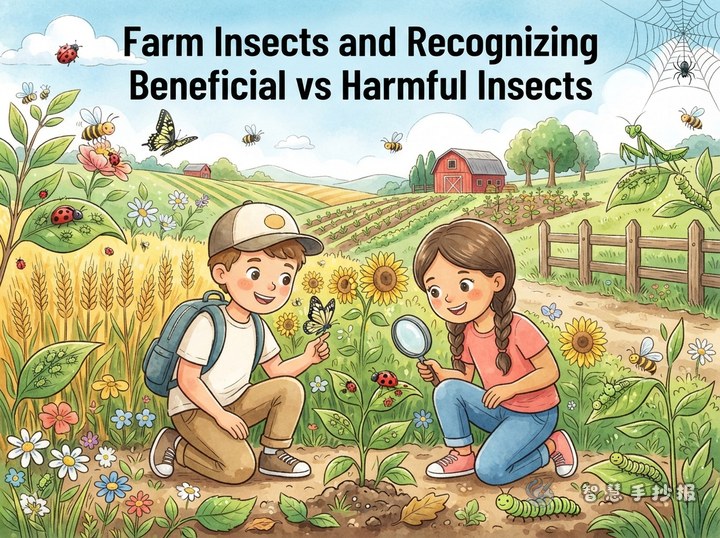
This kind of handwritten newspaper should do more than list insect names. The key is to show which insects help vegetables grow and which insects damage crops. A student-friendly title could be “Tiny Insects in the Garden,” “I Am a Garden Insect Observer,” or “Helpful Bugs and Crop Pests.” You can also add a short section about what you noticed in a garden or field.
Ready-to-use insect facts
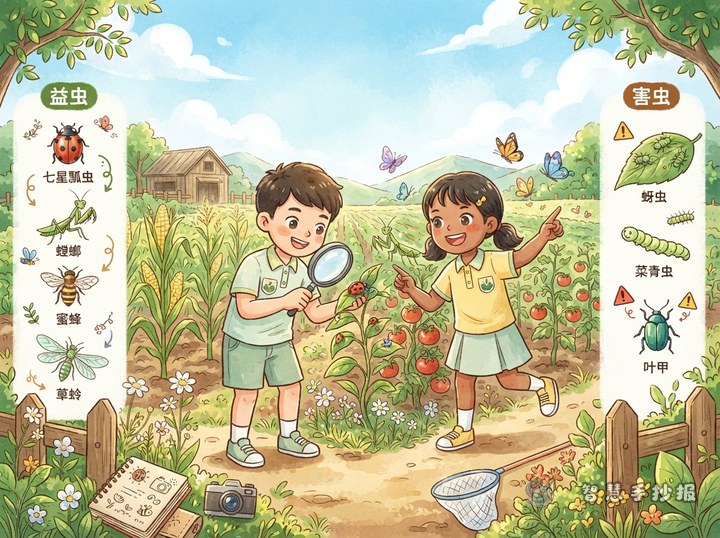
Helpful insects
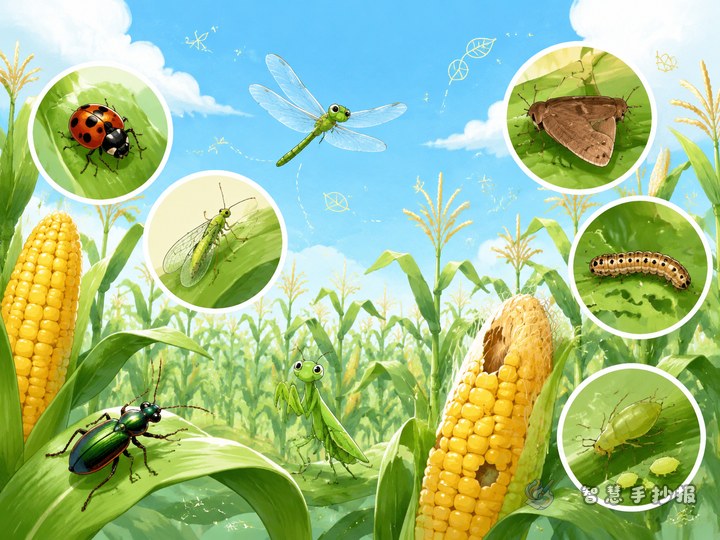
- Bee: Helps flowers by pollination, which supports fruit and vegetable growth.
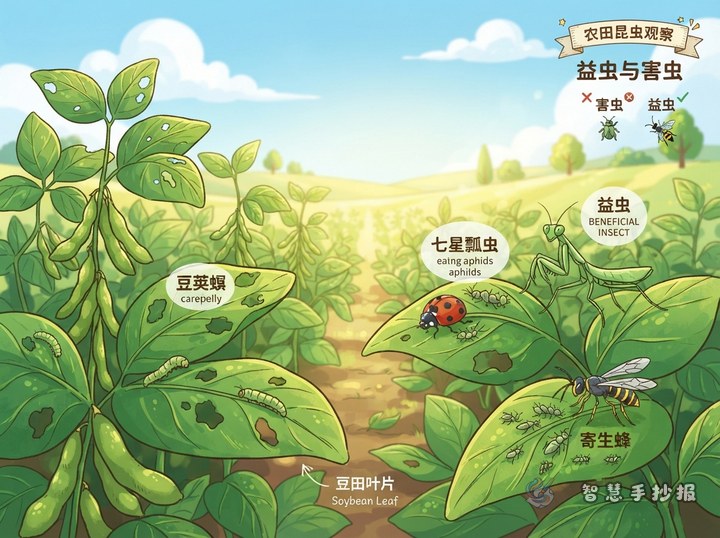
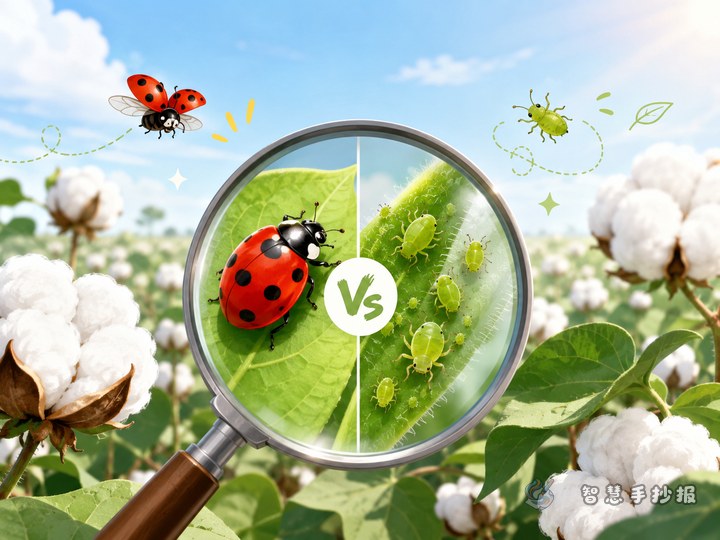
- Ladybug: Eats aphids and protects plants.
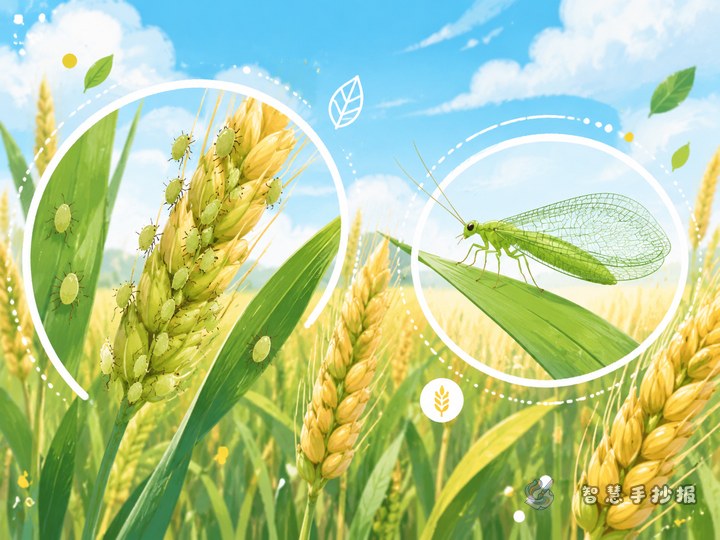
- Lacewing: Its larvae feed on small pests and are useful in gardens.
- Dragonfly: Catches small flying insects and is often considered beneficial.
Harmful insects
- Aphid: Sucks sap from stems and leaves, which can weaken vegetables.
- Cabbage worm: Chews leaves and leaves holes behind.
- Locust: Eats plant leaves and can damage crops when present in large numbers.
- Diamondback moth larva: Common on leafy vegetables and harmful to leaves.
Good sections to add to the newspaper
- Insect sorting corner: Put beneficial insects and harmful insects into two groups.
- Quick identification tips: Describe body shape, where they are found, and what they do to plants.
- Observation notes: Write down what was seen in a school garden, vegetable patch, or field edge.
- How to protect seedlings: Mention simple ideas such as protecting beneficial insects and noticing pests early.
These sections make the project feel organized and practical instead of too general.
Try a comparison-style layout
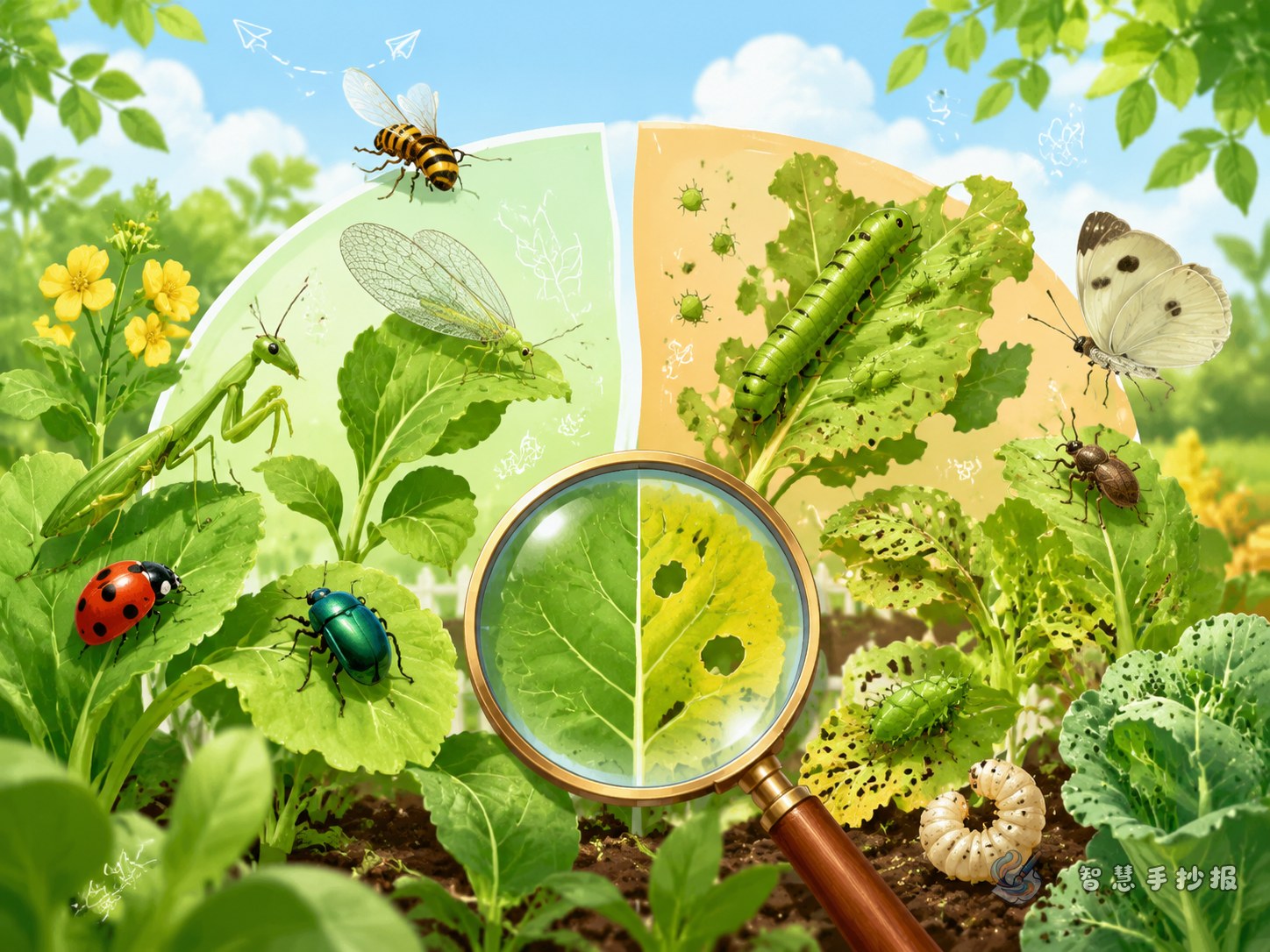
This topic looks especially clear when designed as a comparison page. You can place helpful insects on the left and harmful insects on the right, with a bold title in the middle. Another good idea is a four-part layout: helpful insects, harmful insects, identification tips, and my observation notes. Keep insect descriptions short so the page stays neat and readable.
- Use green or light yellow around the helpful insect section.
- Use orange or red around the harmful insect section.
- Keep each insect explanation to one or two short sentences.
- Highlight key words like pollination, leaf-eating, and sap-sucking in bold.
A simple ending students can use
Many insects live in farmland and vegetable gardens, and not all of them are harmful. Some help plants grow, while others damage crops. Learning to identify beneficial insects and pests helps us protect vegetables and understand nature better. If you want to keep improving your page design and add more sections, you can continue creating in the Zhihui Handwritten Newspaper WeChat mini program.