Pick a More Specific Theme
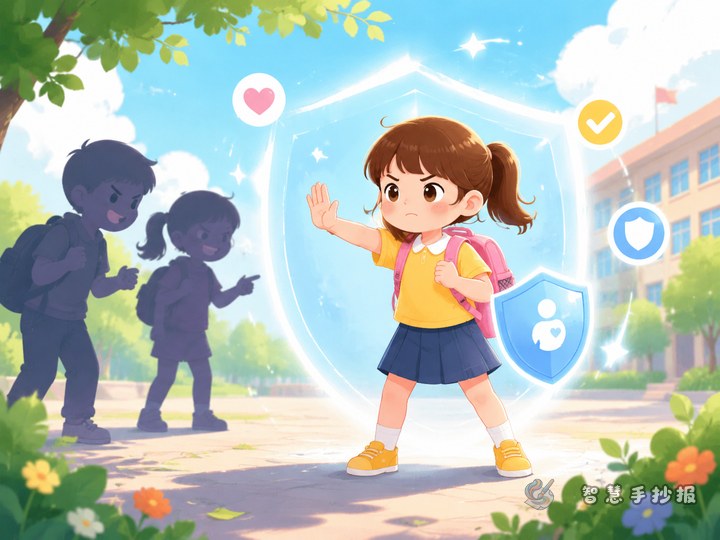
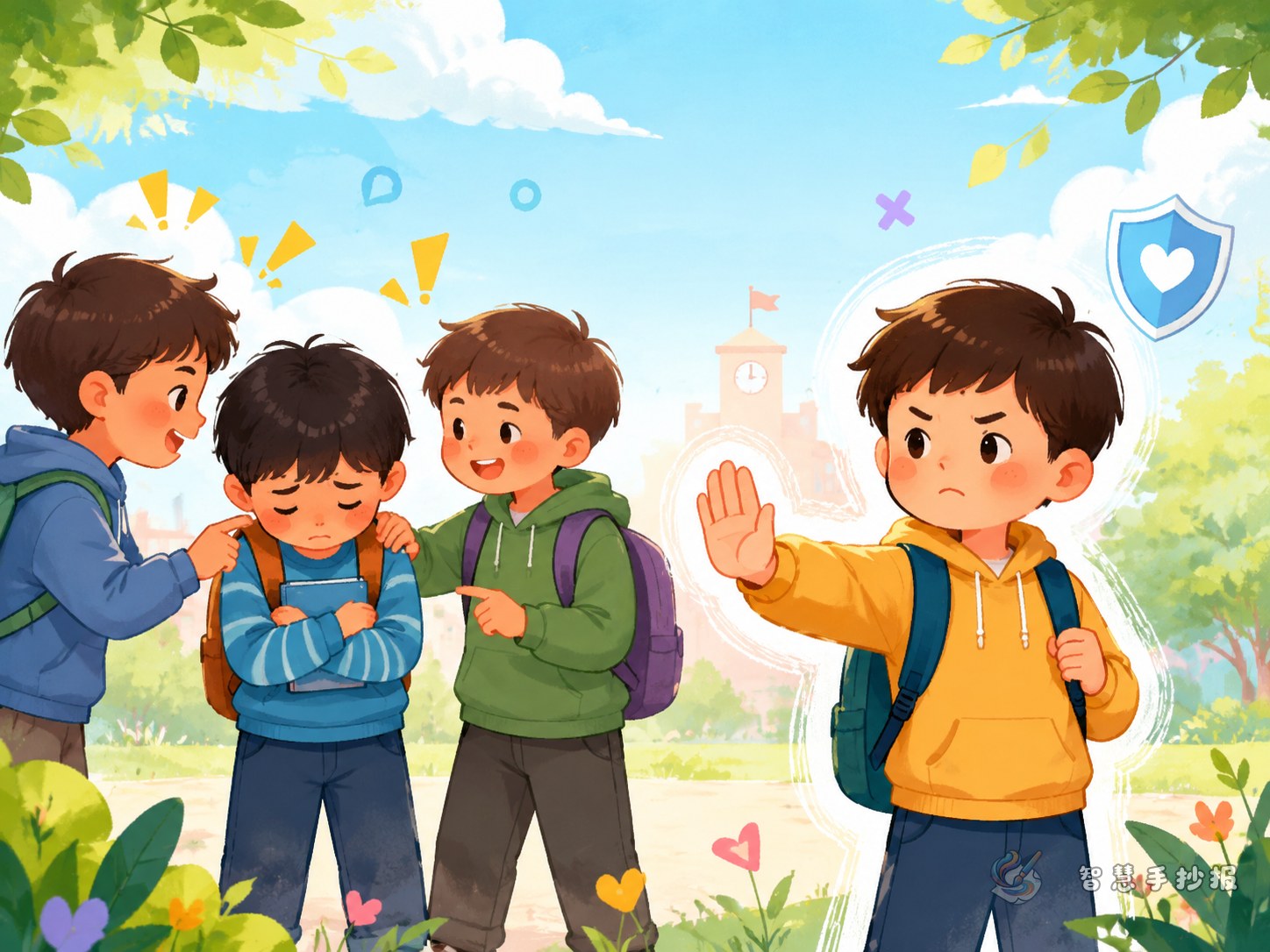
This handwritten newspaper works well when it focuses on “What should I do if classmates push me to bully someone with them?” Instead of only talking about being bullied, this angle teaches students how to protect themselves by refusing to become followers, bystanders, or helpers in bullying. It feels realistic, meaningful, and easy to turn into a strong classroom display.
A Simple Layout That Works
- Center title area: “What if others urge me to bully someone too?”
- Left section: Behaviors that count as bullying or support bullying
- Right section: Three useful phrases to say no
- Bottom section: Self-protection steps during the situation
- Corner notes: Friendly campus promises and reminder slogans
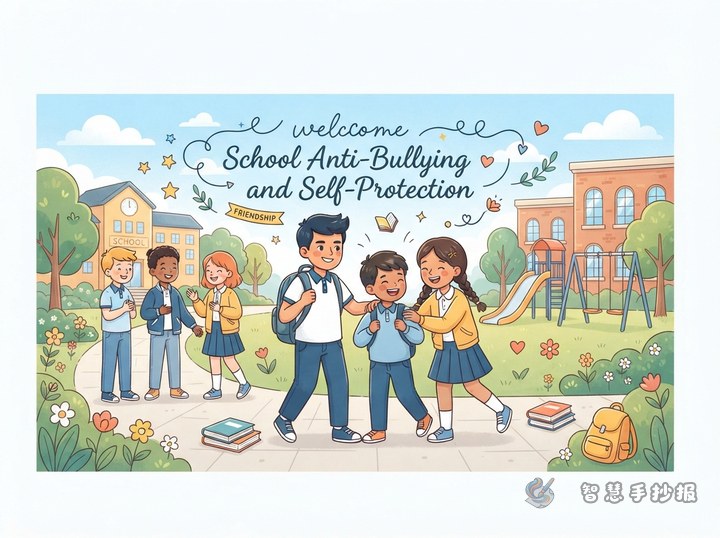
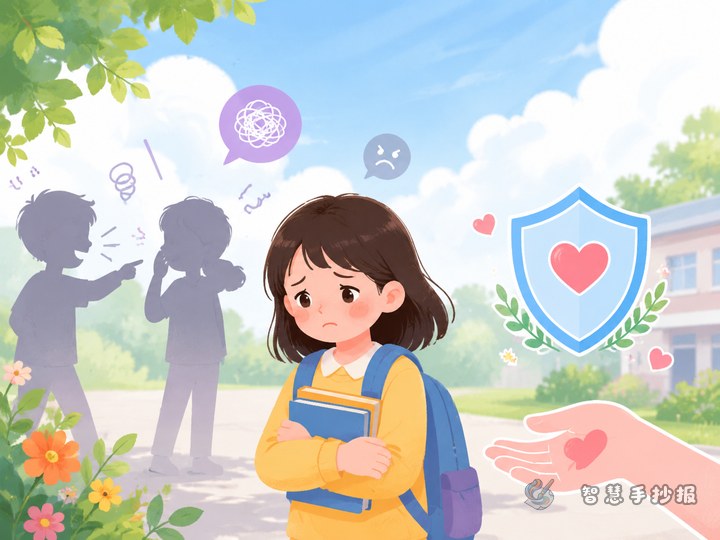
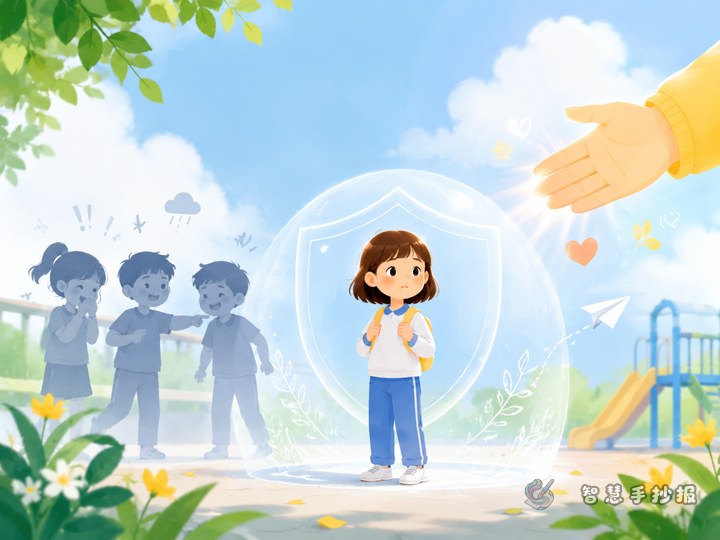
You can decorate the page with shields, speech bubbles, footprints, or smiling faces. Blue, green, and a little orange can make the whole page look bright and positive.
Ready-to-Use Text Materials
Behaviors You Should Never Join
Mocking someone’s appearance, giving insulting nicknames, excluding classmates on purpose, cheering from the side, spreading embarrassing stories, taking belongings, or threatening others can all cause harm. Even if you do not hit anyone, laughing along, sharing rumors, or encouraging the scene still helps bullying grow.
Three Phrases to Refuse
- This is not right. I will not join.
- Stop it. Let’s go tell a teacher.
- Making fun of others hurts people. Let’s change the way we act.
Self-Protection Steps
- Leave the scene instead of gathering around.
- Stay calm and avoid using angry words that make things worse.
- Tell a teacher, parent, or school staff member as soon as possible.
- If it happens again and again, remember the time, place, and what happened.
- Stay with kind classmates and do not handle serious conflict alone.
The Main Idea Students Should Remember
Real courage is not joining others to hurt a classmate. Real courage is saying no. When someone asks you to laugh at, push, or exclude another student, the most important thing is to keep your own boundaries. Protecting others is also protecting yourself, because the person who cheers today may become the one hurt tomorrow. A friendly class starts when students stop watching, stop spreading, and stop following the crowd.
How to Make the Page Look Better
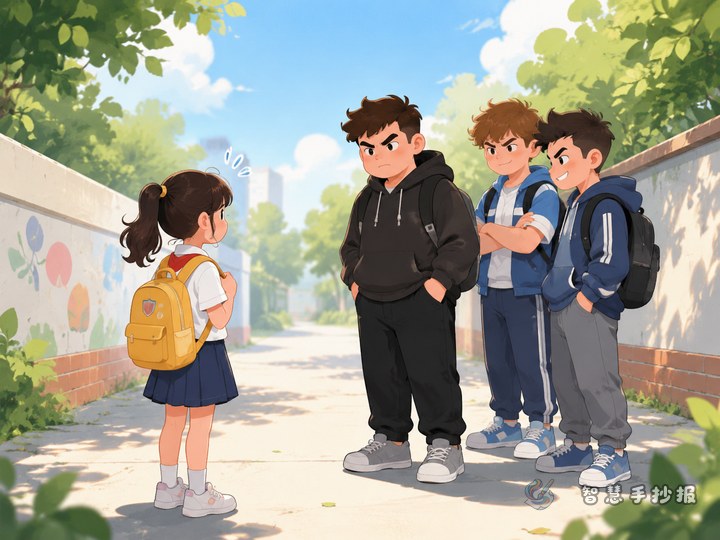
Make the title larger and use a question to catch attention. Do not fill the page with long blocks of text. Break ideas into short sentences, lists, and speech bubbles. You can draw two contrasting scenes: one showing teasing and exclusion, and the other showing support, reporting, and helping. That makes the theme easy to understand at a glance. After planning your draft, you can continue polishing the layout in the Zhihui Shouchaobao WeChat mini program to add borders, lettering, and cleaner sections.