Choose the Storyline: Let One Grain of Rice Reach the Table
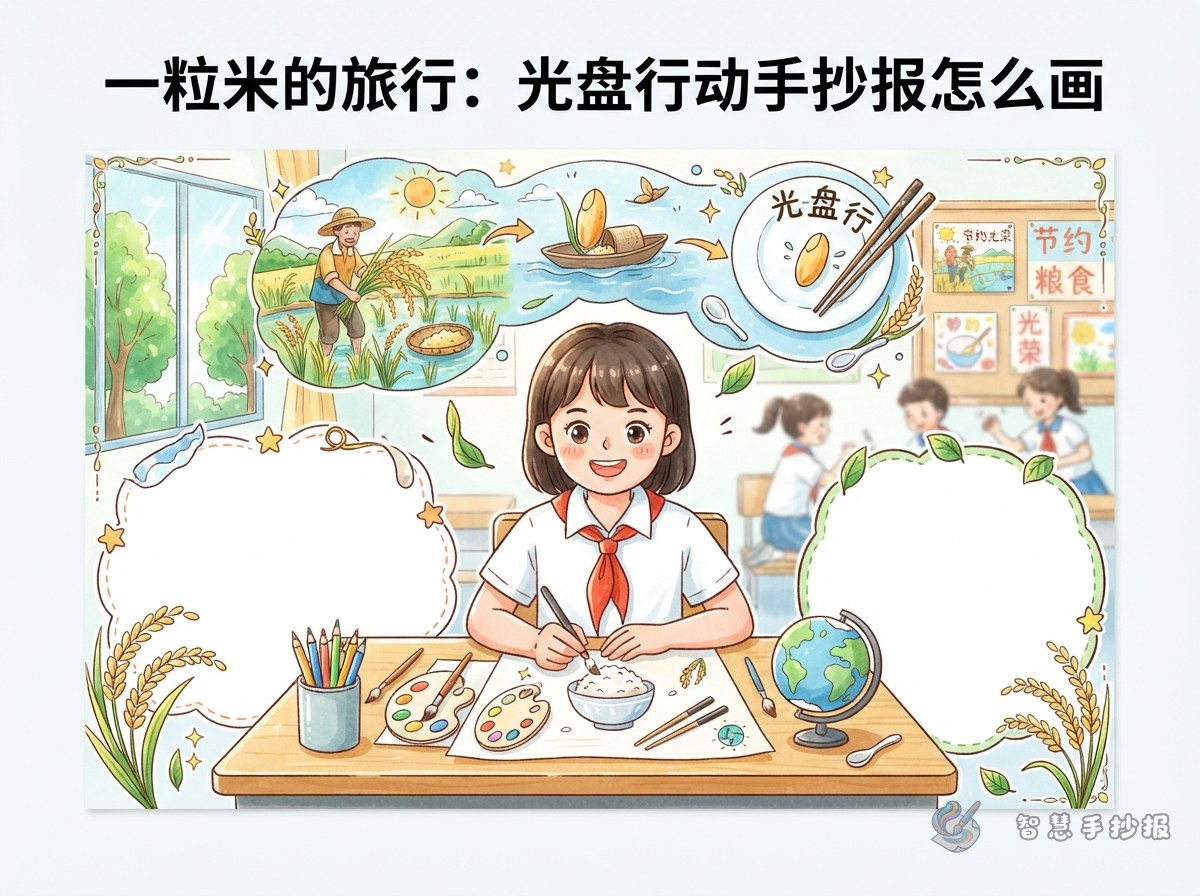
This poster can begin with a story rather than a list of slogans. Use the journey of one grain of rice as the main idea: it sprouts in a field, goes through harvesting, processing, transportation, and cooking, and finally arrives on our plate. This shows why food deserves respect and leads naturally to the message of preventing waste.
Draw the grain of rice as a friendly character wearing a straw hat or carrying a little schoolbag. Let it follow a winding path across the page. Add one short sentence at each stop so the poster feels connected and lively.
Draw Four Stops That Show the Work Behind Food
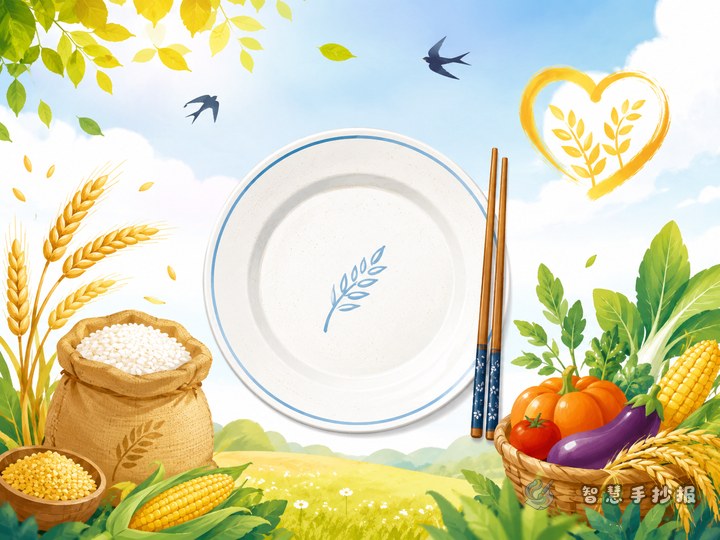
- Planting and growing: Draw a field, young rice plants, and sunlight. Add the line “A seed of hope needs patient care.”
- Harvesting and processing: Show farmers, harvested rice, and a grain store. Explain that hard work is needed before rice becomes a meal.
- Cooking and serving: Draw a kitchen, bowls, and a warm meal. Add “Prepare the right amount to reduce leftovers.”
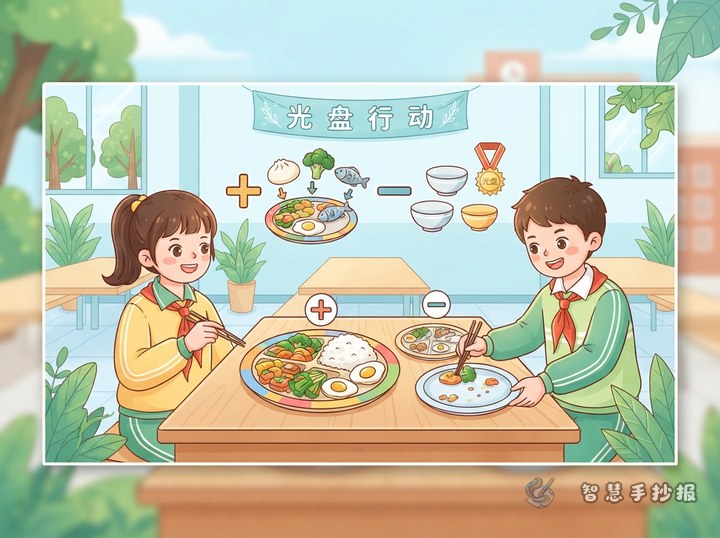
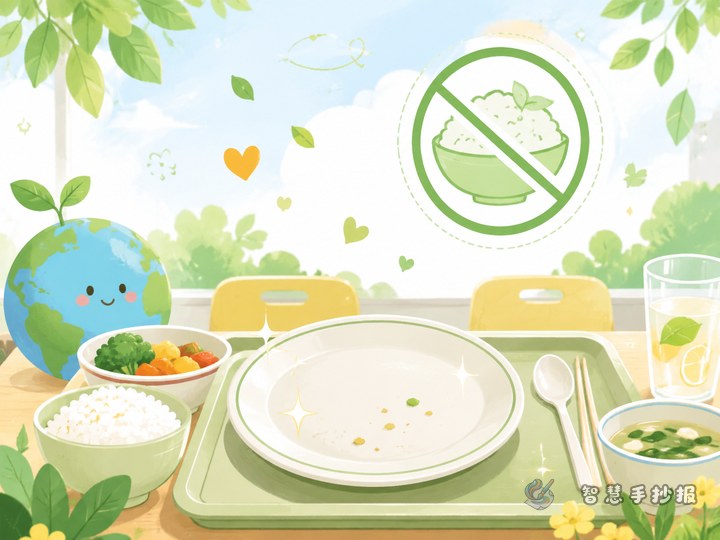
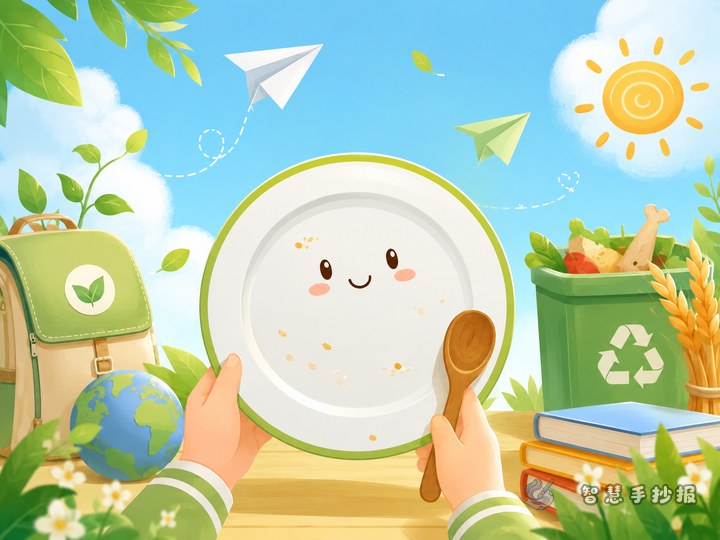
- The Clean Plate Campaign: Draw a clean plate and a child giving a thumbs-up. Highlight “Take what you can finish, and leave a clean plate.”
Connect the four stops with footprints, arrows, or a green vine. This shows that every grain has taken a meaningful journey before reaching us.
Short Text to Place Along the Journey
A line beneath the main title
Try writing: “From the field to the table, every grain of rice deserves respect.” This line helps readers understand the main message at a glance.
Short phrases for the route
- Respect food by finishing the meal you take.
- Take what you need and serve only what you can eat.
- Respect the people whose work brings food to our table.
- A little less waste makes every meal more meaningful.
An appeal for the bottom section
“I will start with myself: I will avoid taking more than I can eat, finish my meals carefully, and learn to store food properly when necessary. I will make a clean plate a daily habit.”
Use One Route to Tell the Whole Story
A horizontal or diagonal layout works well. Put the large title and rice character near the top, place the four journey scenes across the middle, and reserve the bottom for the appeal and an action card. The planting, table, and clean-plate scenes can be slightly larger to create a clear visual rhythm.
- Use soft green, rice yellow, and warm orange to suggest nature, grain, and a welcoming table.
- Keep only one or two sentences at each stop so the illustrations do not feel crowded.
- Mark words such as “respect,” “right amount,” and “clean plate” with circles or small flags.
- Leave some blank space around the page and decorate it with rice grains, ears of rice, and plate shapes.
Finish with a “What I Will Do Today” Action Card
- Estimate your appetite before eating instead of filling the plate simply because the food looks appealing.
- Try to finish what you take, and talk with a parent or teacher if you cannot eat everything.
- Remember to respect food at home, at school, and when eating out.
Draw the action card like a note or checklist, with small circles that classmates can color in after completing each action. Once the idea is ready, you can use the WeChat mini program “智慧手抄报” to organize the text and layout and turn the rice journey into a neat poster.