Make the topic concrete by focusing on dining habits
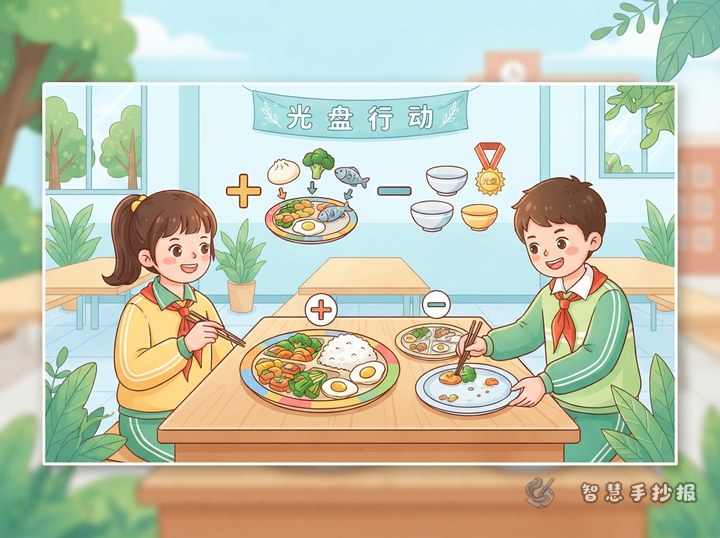
Many students only write broad phrases like saving food, which can make the page feel empty. A better idea is to connect the topic to everyday habits such as taking only what you can finish, avoiding picky eating, and not leaving leftovers. This makes the handwritten newspaper more realistic and easier for children to explain.
You can shape the page around titles like how I practice the clean plate habit, small actions at the dining table, or finish every meal and waste less. A life-based angle makes the whole page more vivid.
Section ideas you can use directly
- Food waste around us: leftovers, throwing away food because of picky eating, buying too much, or taking more than needed.
- Why food should be valued: every grain of rice comes from hard work and time.
- My clean plate tips: take small portions first, get more only after finishing, and order reasonably when eating out.
- Food-saving pledge: start with yourself and encourage family and friends.
- Action checklist: Did I finish my meal today? Did I waste anything? What can I improve tomorrow?
If you have more space, add a small section called what I want to say, where you write your own understanding of saving food.
Short lines and paragraph material for the page
Short sentences can make the layout more eye-catching:
- Every meal is worth cherishing.
- Take what you need and finish what you take.
- Save food, starting today.
- A clean plate is not just a slogan, but an action.
- Saving food is honorable, wasting food is not.
You may also include a short paragraph: Food does not appear on our table by magic. Rice, vegetables, and fruit all come from planting, growing, and harvesting. Saying no to waste means respecting labor, valuing resources, and building good habits.
A clear page layout that is easy to make
This topic works well with a center title and surrounding sections layout. Put the main title in the middle and place four smaller sections around it, such as wasteful habits, reasons to save food, simple tips, and my own actions.
- Write a bold and cheerful main title at the top or center.
- Place longer text like waste examples and reasons on one side.
- Use short tips and pledges on the other side.
- Leave the bottom area for a checklist or mini reflection box.
Green, yellow, and orange are good color choices because they match grain, sunshine, and healthy meals. Bold key phrases to make the main points stand out.
Simple decorative elements that match the theme
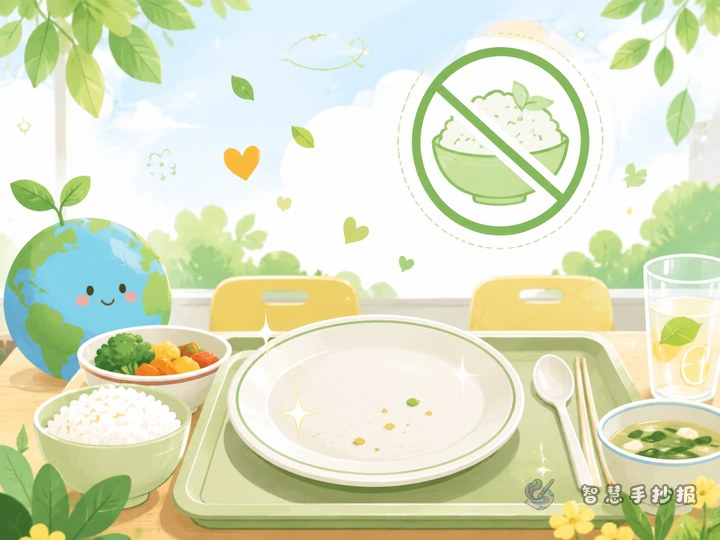
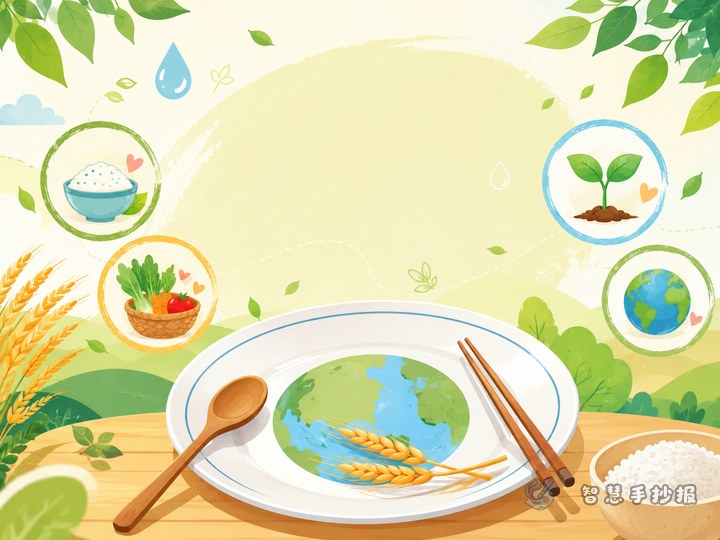
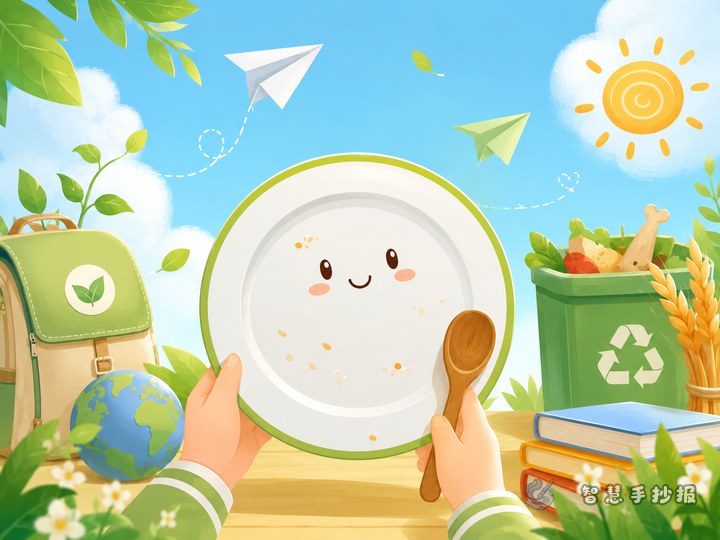
You do not need complicated art. Easy drawings like an empty smiling plate, a rice bowl, wheat stalks, corn, spoons, chopsticks, or check boxes can already make the page lively. Borders can be made from wheat lines or simple tablecloth patterns.
If the page still feels light, add a family promise section, such as no leftovers at home, order only what we can finish, and remind each other when we see waste. This adds a strong practical message.
How to end with a strong message
The ending should be short but encouraging. You can write: Let us start with every meal, value every grain, finish our food, and turn saving into a habit. Waste a little less today and make tomorrow better.
If you already have your title, sections, and text ready, you can continue arranging the page in the Zhihui Shouchao Bao WeChat mini program for an easier creation process.