Start with sections before collecting long text
For this topic, the smartest way to begin is not by copying long paragraphs. It is better to split the page into clear sections first. Each section should carry one idea only. A structure based on “what it is, why it matters, how to do it, and what I promise” makes the whole handwritten newspaper easier to organize.
For younger students, a main title plus four sections is usually enough. For classroom display or competitions, five or six sections can make the content richer without becoming messy.
Useful section ideas you can apply directly
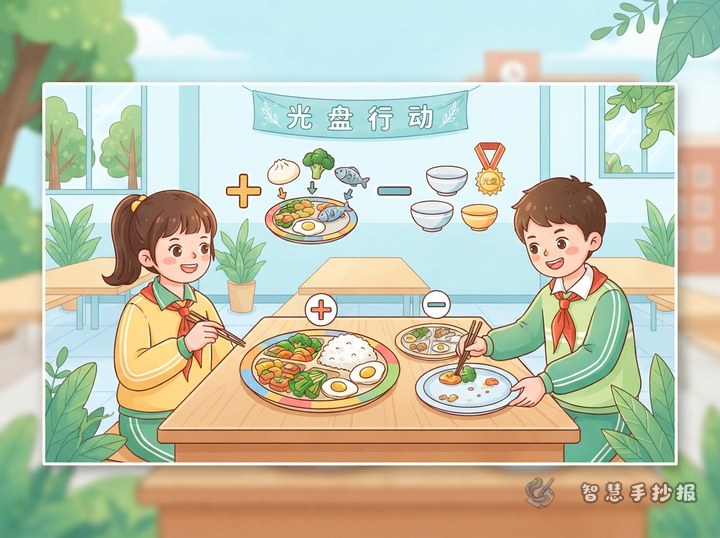
Section 1: What is the Clean Plate Campaign?
This part explains the topic in simple words.
- The clean plate campaign encourages people to finish their meals.
- It reminds us to value food and avoid waste.
- It helps students build good habits from everyday dining.
Section 2: Why should we stop food waste?
This section should focus on meaning and awareness in child-friendly language.
- Food takes time and hard work to grow and prepare.
- Wasting food is a bad habit that should be changed.
- Saving food is part of polite and responsible behavior.
Section 3: Easy ways to save food
A checklist style works very well here.
- Take only the amount you can finish.
- Do not be picky with food and reduce leftovers.
- Order reasonably when eating out and pack what is left.
- Remind others kindly when you see waste.
Section 4: My promise
This part gives the handwritten newspaper a personal voice.
- I will value every grain of rice.
- I will take food as needed and avoid waste.
- I will practice the clean plate habit from today on.
Section 5: Slogan corner
If you have extra space, a slogan box is a great addition.
- Save food, start with me.
- Eat with manners, say no to waste.
- Every grain matters.
- Finish your meal and build a good habit.
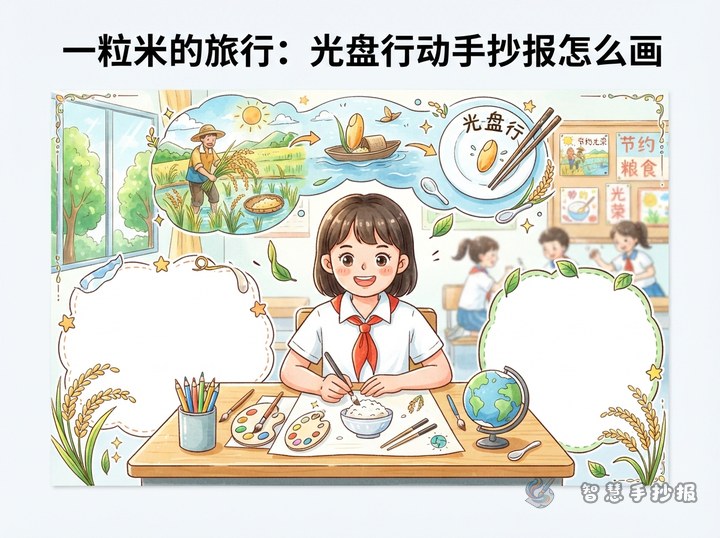
A layout idea that looks tidy and bright
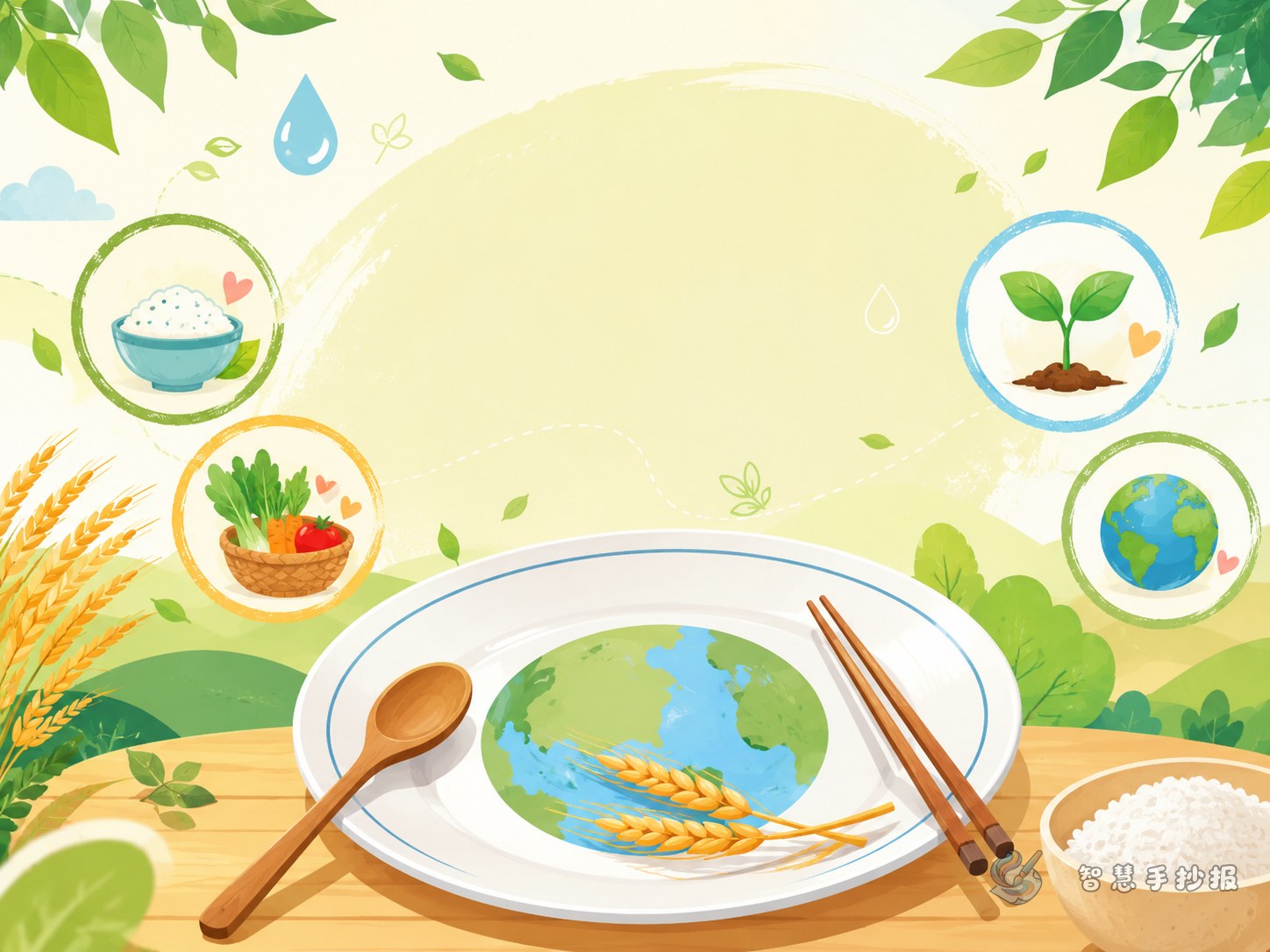
This topic works very well with a central title and surrounding content blocks. Put the main title “Clean Plate Campaign” in the center or at the top, then arrange the sections around it. Readers will notice the theme first and then move through the page naturally.
- Top area: the main title in larger letters.
- Left side: knowledge-based sections such as definition and meaning.
- Right side: action-based sections such as practical tips.
- Bottom area: promise box, slogans, or a short checklist.
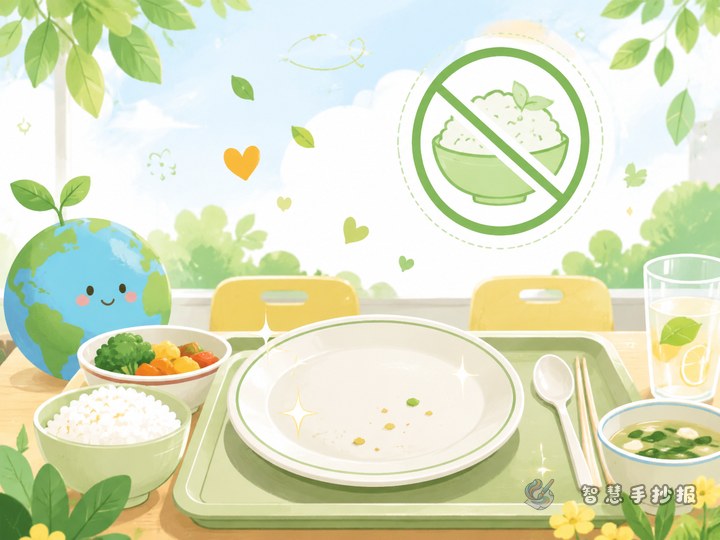
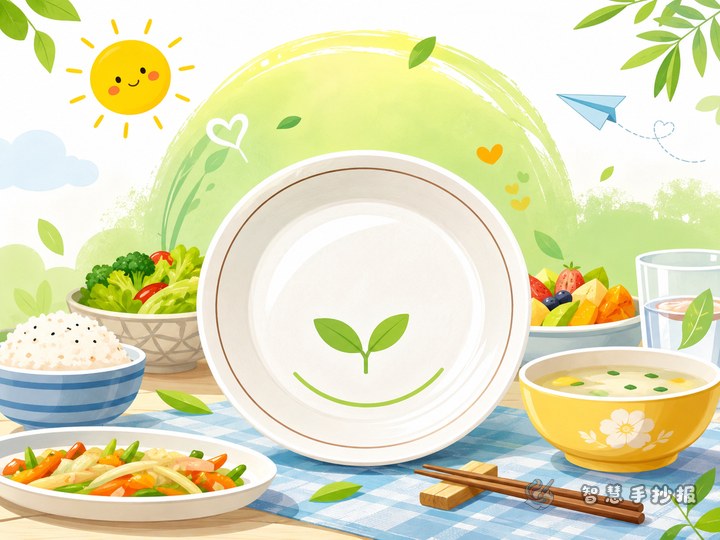
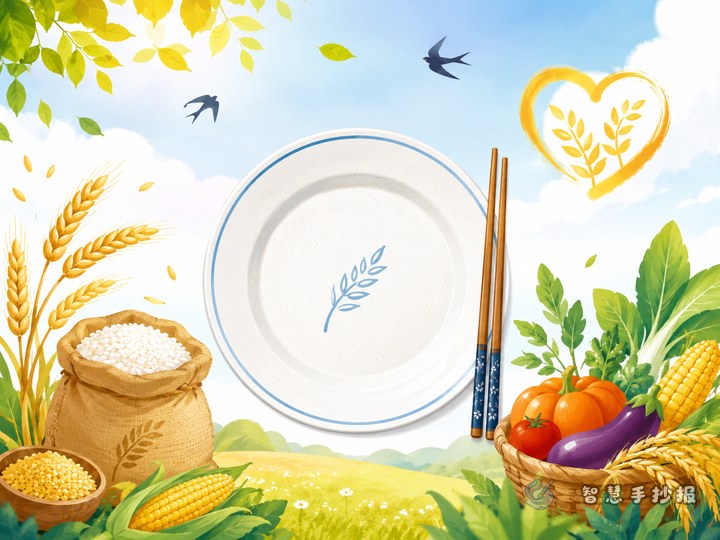
Simple drawings like plates, spoons, rice bowls, wheat, or rice grains can help tie the whole page to the theme.
The best kind of writing for primary school students
A handwritten newspaper is not meant to be full of heavy text. Short sentences are more suitable. Each section can include 3 to 5 simple lines that are easy to understand and copy. Clear and brief content usually makes the page look better.
If you need to fill more space, turn one idea into several short points or create a small list such as “Three good dining habits” or “Four reminders to avoid waste.” This makes the page fuller without losing order.
Small finishing touches that improve the whole page
After the writing is done, check three things: whether the title stands out, whether the sections are balanced, and whether the blank space feels natural. If one area looks too empty, add a slogan or a tiny icon. If one area looks crowded, shorten the sentences.
To finish more efficiently, write the section titles first and then fill them with short lines. Once the content is decided, you can also continue refining the design in the Zhihui Shouchaobao WeChat mini program for a cleaner final result.