Why the Forbidden City is a great handout topic
If you want a handwritten newspaper that feels cultural, recognizable, and easy to organize, the Forbidden City is an excellent choice. It is a classic example of traditional Chinese palace architecture and a famous historical site that many students have heard of before.
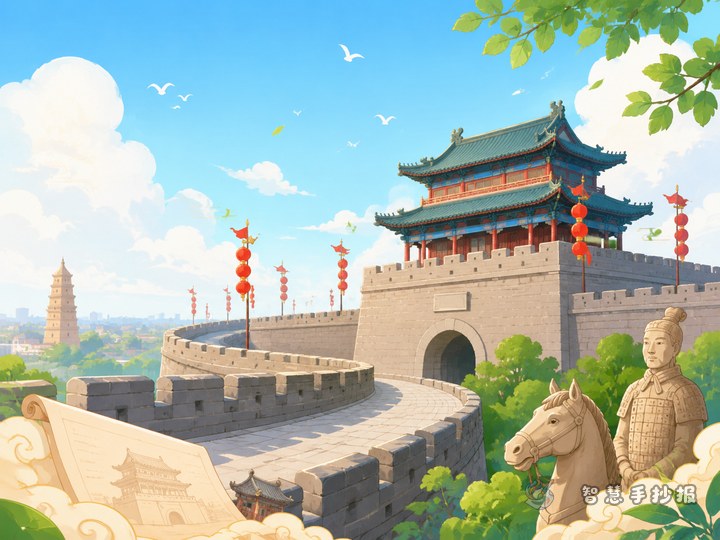
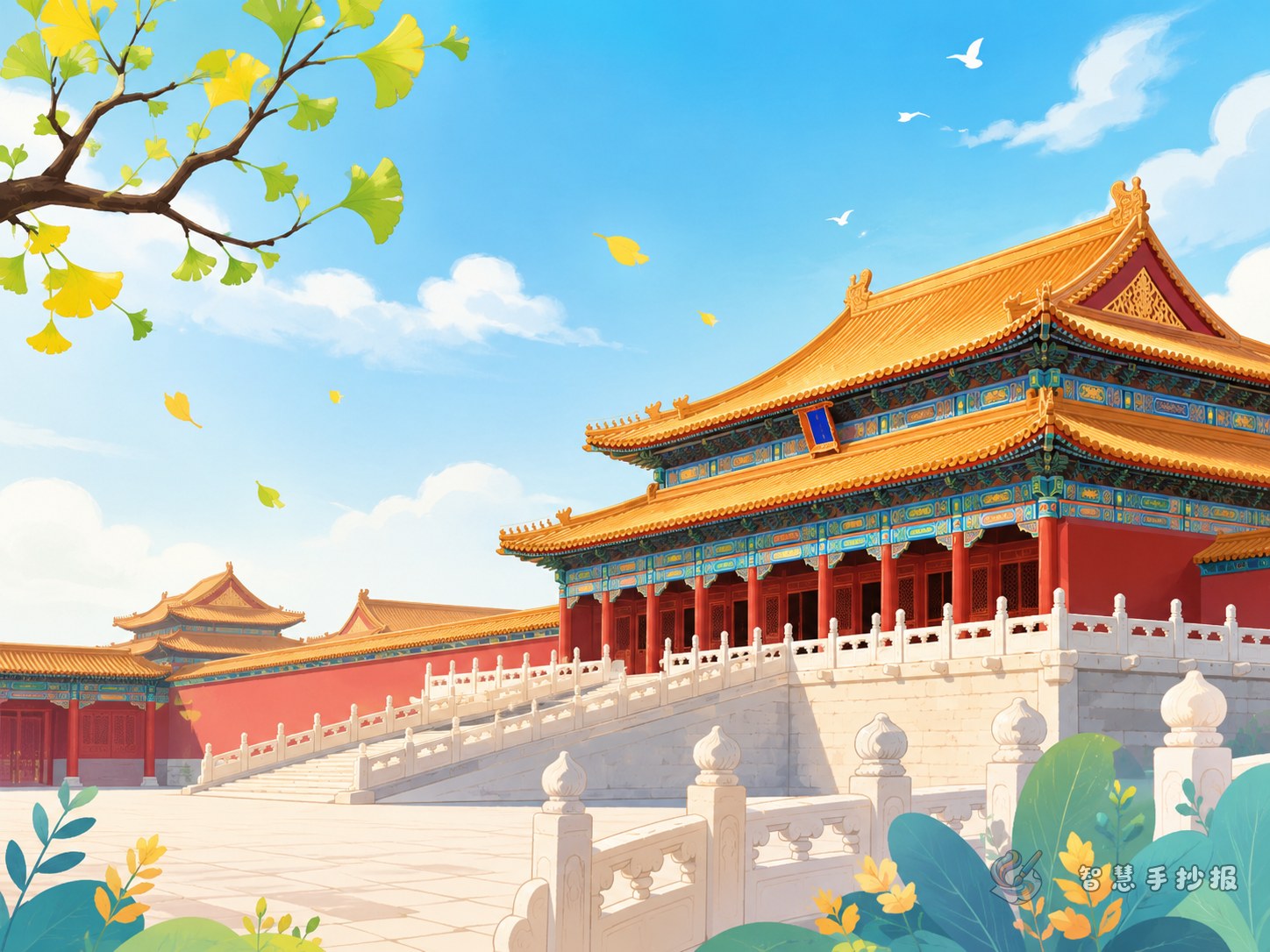
Its visual features are also easy to draw, such as red walls, golden roofs, palace gates, layered steps, and a balanced layout. That makes the topic both informative and attractive on the page.
A page layout idea that matches the theme
This topic works especially well with a symmetrical design. You can place the main title in the center, such as “The Forbidden City” or “Exploring the Forbidden City,” and arrange smaller sections on both sides.
- Top: title with a roof-inspired border
- Center: a simple drawing of a gate or palace hall
- Left side: basic introduction and architectural features
- Right side: short history notes and visiting manners
- Bottom: personal thoughts and heritage protection message
If your paper size is small, keep four main sections instead of too many blocks. A clear structure often looks better than an overcrowded one.
Ready-to-use writing material
Basic introduction
The Forbidden City is in Beijing and is one of the most famous ancient palace complexes in China. It is large in scale, carefully arranged, and well known for its red walls and yellow glazed tiles. It shows the dignity and order of traditional Chinese architecture.
Architectural features
The buildings of the Forbidden City follow a central axis and are arranged in an orderly way. The tall halls, bright colors, broad courtyards, and layered platforms all reflect the beauty and grandeur of ancient Chinese design.
Cultural meaning
The Forbidden City is not only a group of ancient buildings, but also a place full of historical memory. By learning about its halls and spaces, we can better understand traditional culture and architectural art.
Protection message
When visiting historical sites, we should behave politely, avoid touching relics, keep the area clean, and never write on walls or objects. Protecting the Forbidden City means protecting precious cultural heritage.
Small sections that make the page more lively
To make your handwritten newspaper more interesting, add a few short columns instead of using only long paragraphs.
- Architecture fact: Why are red walls and yellow roofs so common there?
- Mini guide voice: Introduce one palace in two or three sentences
- Word bank: magnificent, ancient, grand, balanced, elegant
- My observation: Why does the layout look so neat and formal?
These small parts make the page feel richer and are very useful for classroom display.
Color choices, borders, and drawings
The Forbidden City theme works well with red, gold, brown, and cream. Try not to use too many strong colors at once. Two or three main colors are enough.
For borders, you can draw roof lines, lanterns, clouds, tile patterns, or seal-style title boxes. Easy illustrations include palace gates, roof corners, stone lions, and decorative clouds. If you want to continue refining your layout and combine sections more easily, you can also continue designing in the Zhihui Shouchaobao WeChat mini program.
A simple way to finish the page
Your closing paragraph does not need to be long. You can end by saying that the Forbidden City is a treasure of traditional Chinese architecture, shows the wisdom of ancient people, and reminds us to protect historical sites. This gives your handwritten newspaper a clear and meaningful ending.