Start with a clear school-based theme
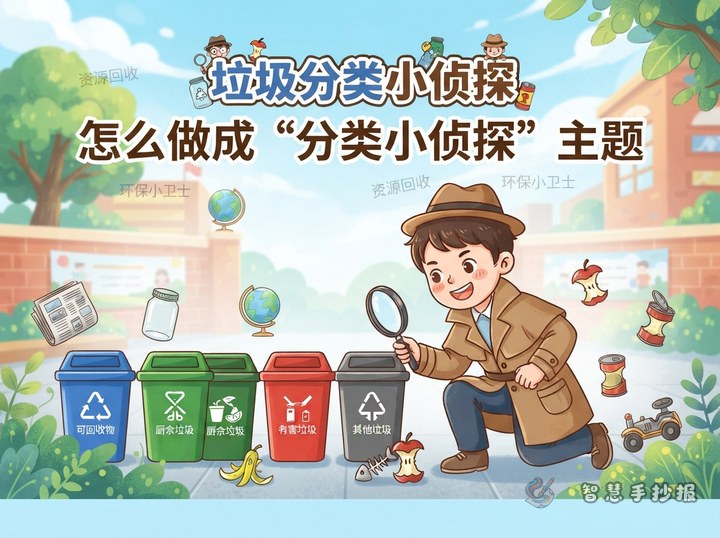
Instead of writing general environmental facts first, focus on one clear idea: how waste sorting appears in everyday school life. Think about classrooms, hallways, the playground, the cafeteria, cleaning duty, and recycling bins. Once the theme is tied to visible school scenes, the poster becomes easier to plan and more relatable.
This approach makes the work feel like a real student poster rather than a general article about the environment.
A section plan you can use right away
If you are unsure how to divide the page, try this structure:
- Section 1: Waste Sorting Basics — briefly explain the main waste categories.
- Section 2: Common School Waste — list paper scraps, bottles, fruit peels, batteries, and packaging.
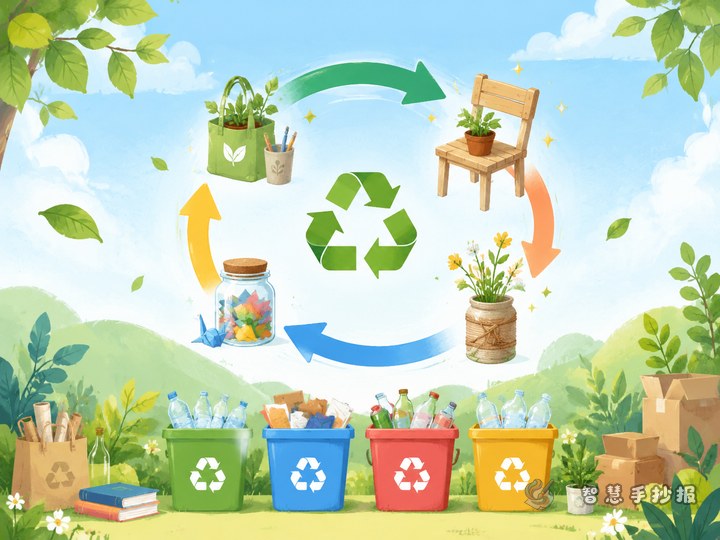
- Section 3: Why Recycling Matters — show how used materials can be collected and reused.
- Section 4: I Can Help My Campus — add simple actions students can do.
- Section 5: Eco Slogan Corner — place short lines and catchy phrases.
This arrangement fits a standard handwritten poster well. A large headline can go near the top, with content blocks placed around it for a balanced layout.
What to write in each part
Waste Sorting Basics
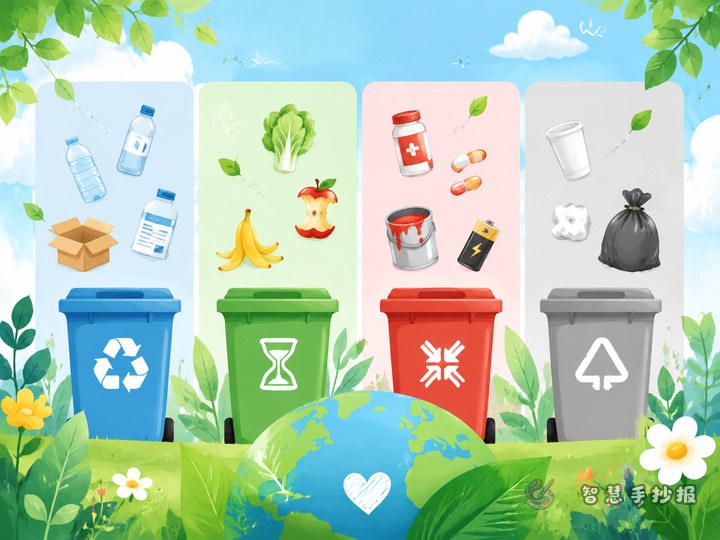
Use very short explanations. For example, recyclables can be used again, kitchen waste includes food scraps and peels, hazardous waste needs special handling, and other waste includes items that are hard to recycle.
Common School Waste
- In classrooms: used paper, workbook pages, and packaging.
- On the playground: drink bottles, snack bags, and fallen leaves.
- In the cafeteria: leftovers, fruit peels, and disposable wrapping.
- After activities: flyers, boxes, and plastic cups.
Why Recycling Matters
Keep it simple and close to daily life. You can write that recycling paper helps protect trees, sorting bottles reduces litter, and collecting old books and newspapers allows resources to be used again.
Keep the layout simple but layered
A campus waste sorting poster looks neat with a “main title plus four content zones” layout. Put the title near the upper center, sorting facts on one side, campus examples on the other, and slogans or action points along the bottom.
Useful drawing elements include:
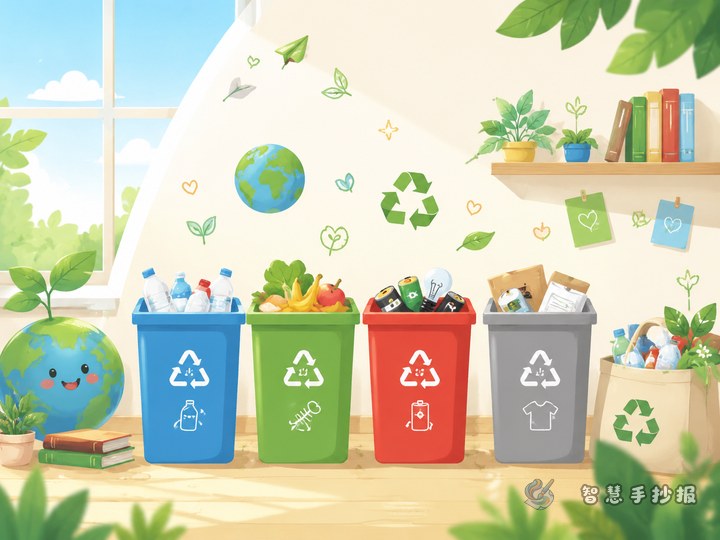
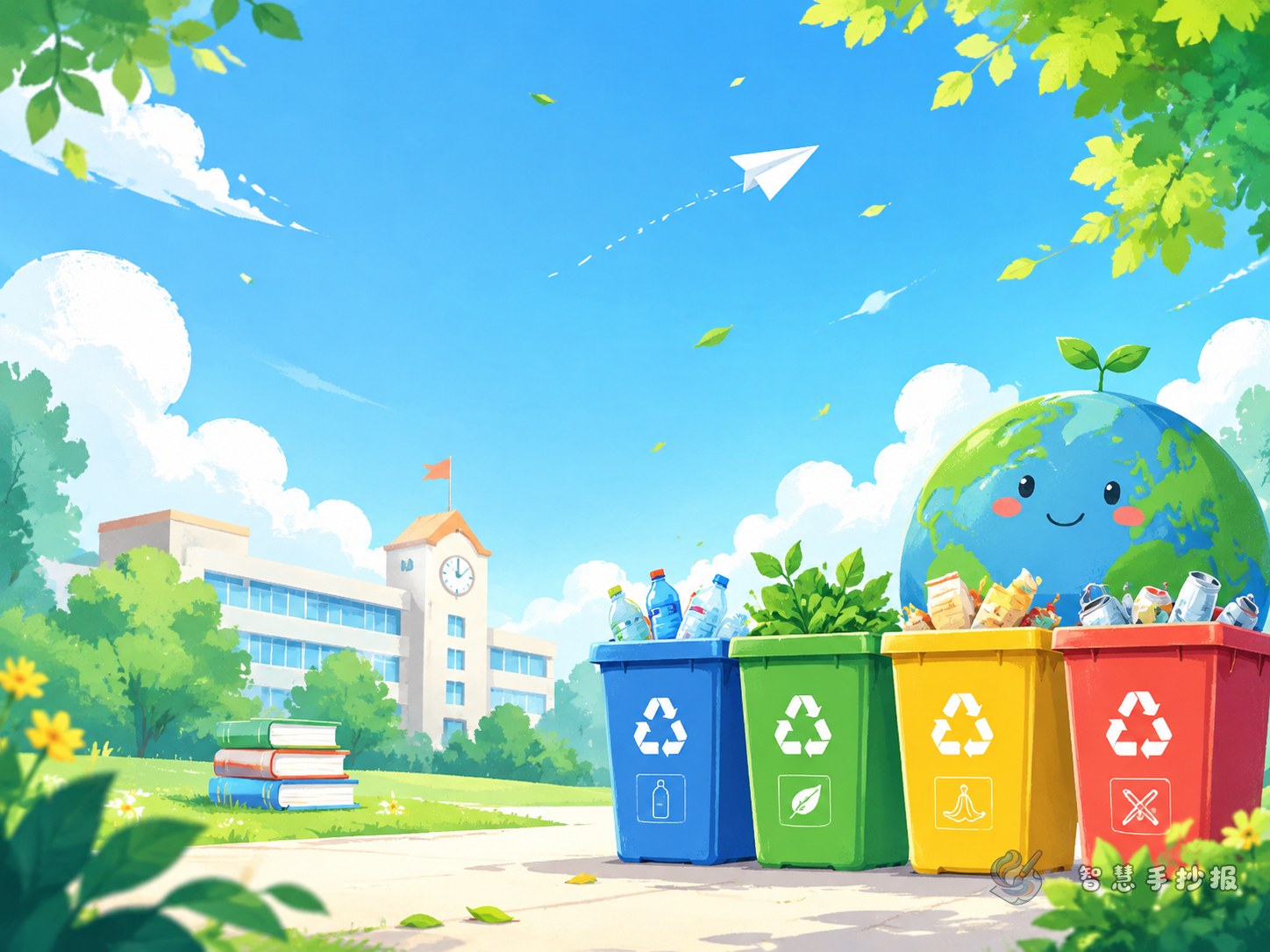
- Four-color waste bins
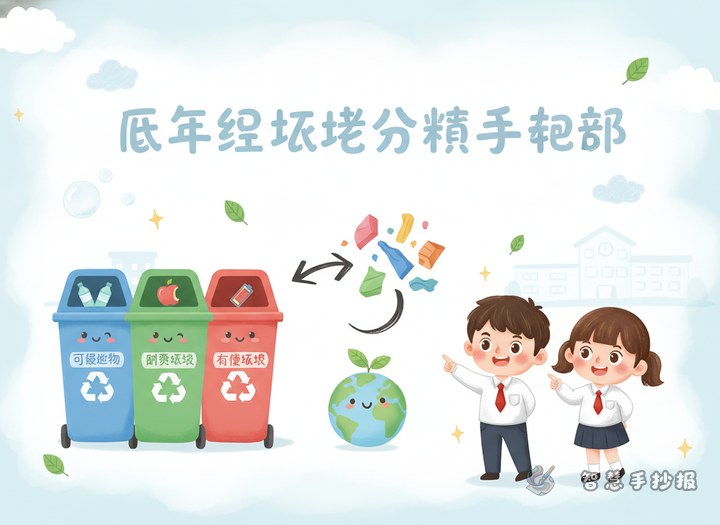
- Students sorting waste correctly
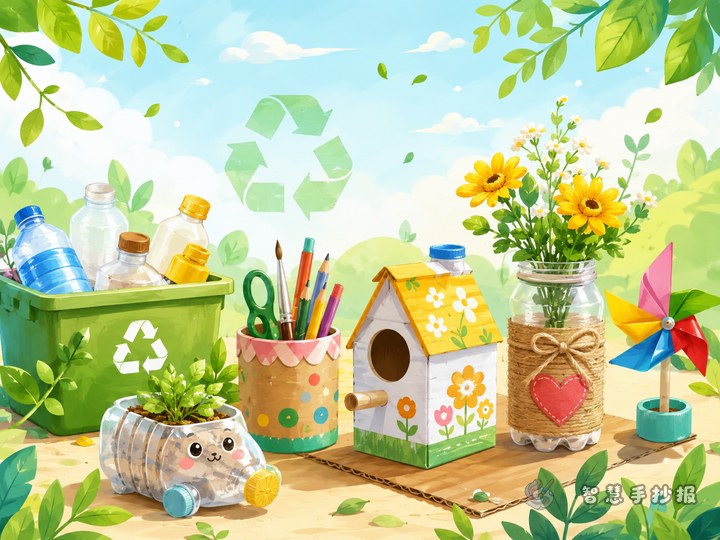
- Paper, cardboard, bottles, and fruit peel icons
- Leaves, the Earth, sunshine, and other eco symbols
If the page still looks empty, place subtitles inside leaf shapes, note boxes, or speech bubbles to make the design more lively.
Short phrases you can place on the page
Good mini-headings include Sort Waste First, Keep Campus Clean, Recycling Has Value, and Green Habits Start Here.
You can also use short slogan lines:
- Sort waste well, and make the campus shine.
- Recyclables belong in the right bin.
- Good sorting habits protect our school environment.
- Small actions today build a greener future.
These short lines work well beside drawings, in sidebars, or near the footer area.
Final tips for making the poster
Keep each section short and readable. Avoid filling the page with long paragraphs. Decide the sections first, then write the headlines, and finally add small drawings and borders. After your draft is ready, you can continue refining the layout and text in the Zhihui Shouchaobao WeChat mini program to make the final poster cleaner and easier to display.