Choose an upcycling angle to make the poster stand out
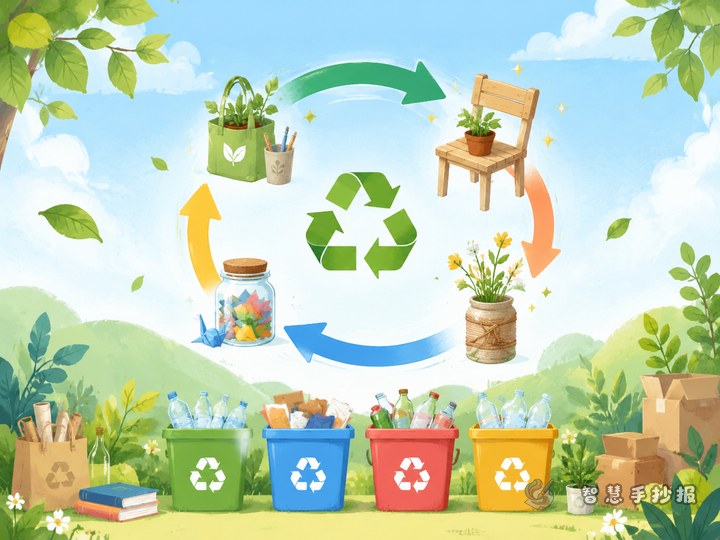
If you want a recycling and waste-sorting handwritten newspaper to feel fresh, focus on turning waste into useful things. This angle helps students move beyond simple bin categories and show how old items can be reused in meaningful ways. A title such as “New Life for Old Things” or “From Waste to Treasure” makes the page more vivid and memorable.
Once the theme is set, try connecting three ideas together: why recycling matters, what recycled materials can become, and what students can do in daily life. This creates a complete and easy-to-read poster.
Section ideas that are easy to write
- What is upcycling?: Explain that old paper, bottles, clothes, and cans can be reused or remade instead of thrown away.
- Recycling in daily life: Write about sorting paper, cleaning drink bottles before putting them in the recycling bin, and sharing old books with others.
- Why recycling helps: Mention reducing trash, saving resources, protecting the environment, and keeping communities clean.
- My green promise: Encourage students to start at home and at school with simple recycling habits.
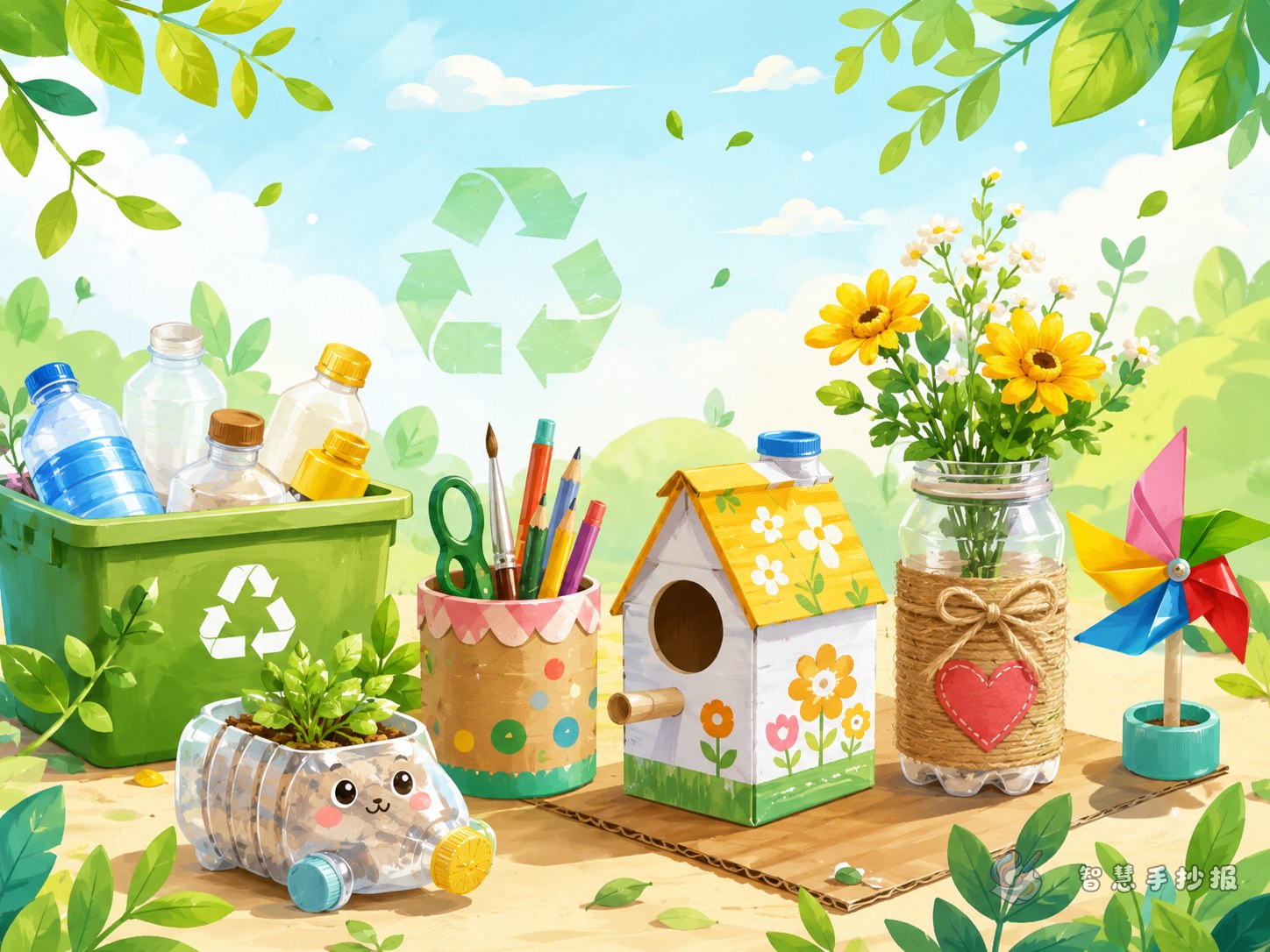
If there is extra space, add a small “Fun Craft Corner” or “Quick Recycling Facts” section to make the poster more interesting.
Ready-to-use writing material
Opening lines: Waste sorting is not only about putting trash into different bins. It is also about helping useful materials get a second life. When we recycle, we make our world cleaner and greener.
Useful facts: Waste paper can be made into new paper products. Plastic bottles can be processed and reused. Old clothes can be donated or redesigned. Metal items can be melted and turned into new products.
Call-to-action lines: Throw away less, recycle more, and treasure every useful resource. Small actions from each person can make a big difference.
Ending lines: Protecting the environment is not just a slogan. It is something we can practice every day through sorting, saving, and reusing.
A clean layout that works well for students
A practical layout is one big title in the center with four sections around it. The center can say “From Waste to Treasure,” and the four areas can be “Recycling Facts,” “Daily Examples,” “Creative Reuse,” and “My Promise.” This layout looks balanced and is easy for children to finish.
- Use green and blue for the main title to create an eco-friendly feeling.
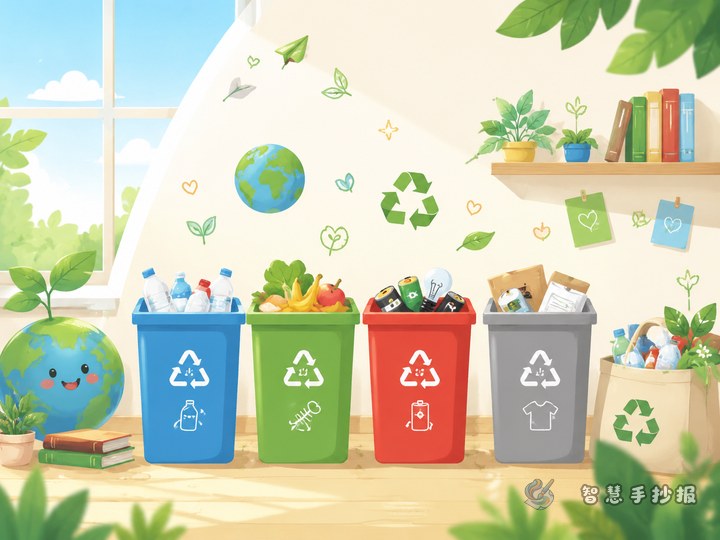
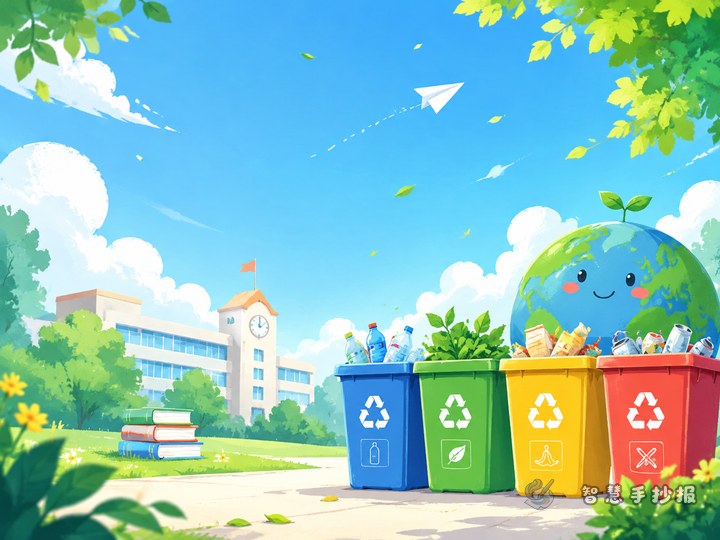
- Add simple decorations like leaves, cardboard boxes, bottles, and recycling arrows.
- Highlight key sentences with bold text, but do not overcrowd the page.
- Keep each section short, around three to five sentences, for a neat result.
Simple ways to make the work better
Do not fill the whole poster with definitions. Add real-life examples such as cleaning milk cartons before recycling, collecting used notebooks together, or passing on old toys after fixing them. These details make the poster feel more practical and closer to school life.
If you want to keep improving the layout, polish the title, or continue making your poster more easily, you can explore more ideas in the Zhihui Shouchaobao WeChat mini program.