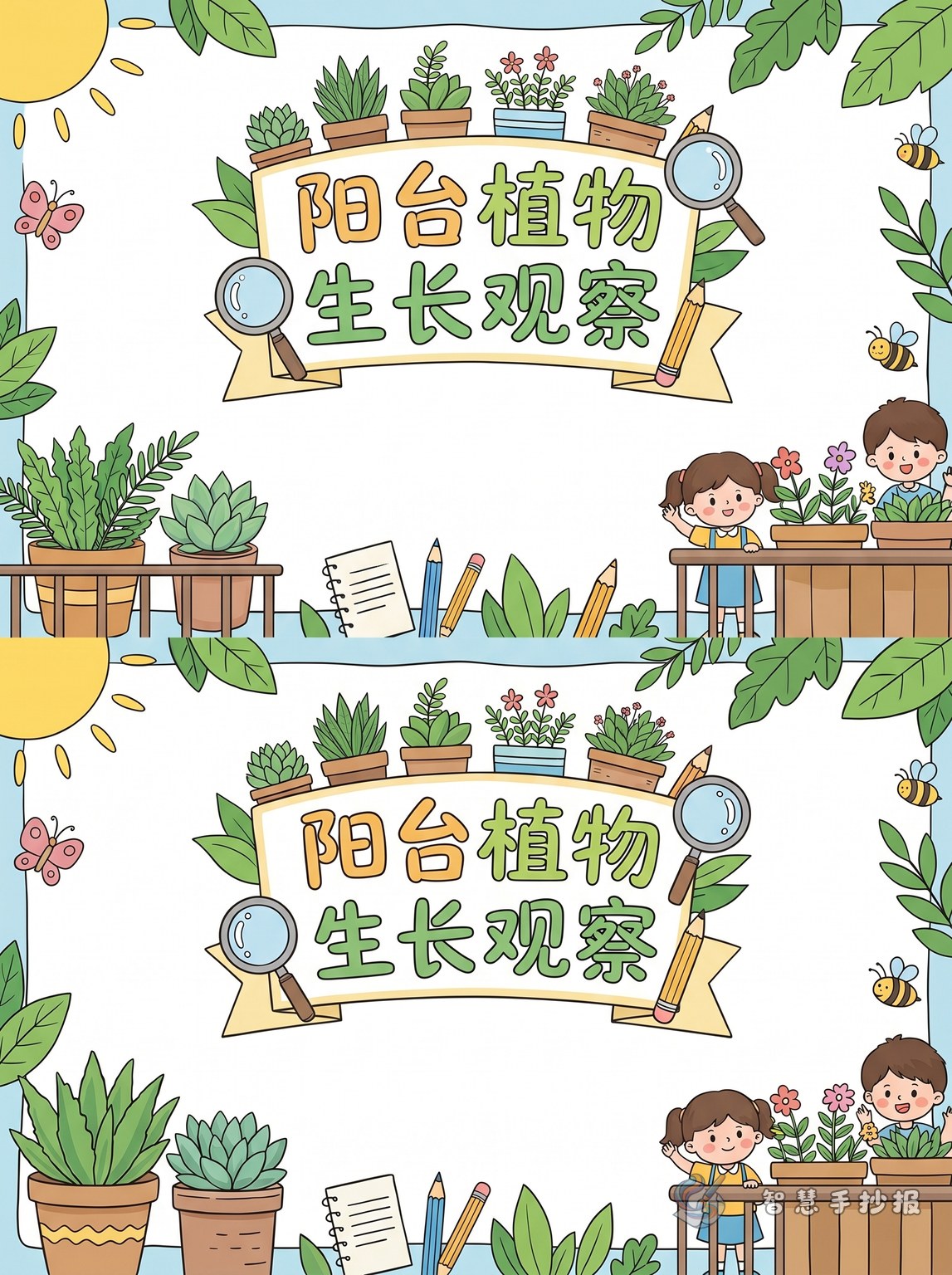
Start with a plant that is easy to observe
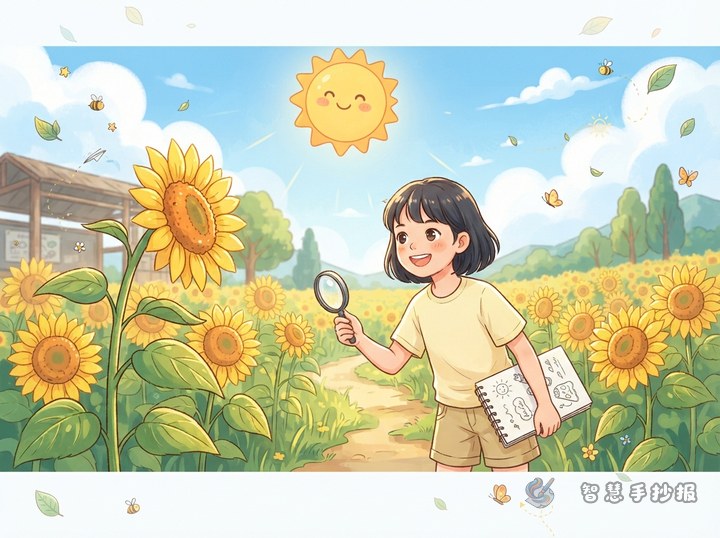
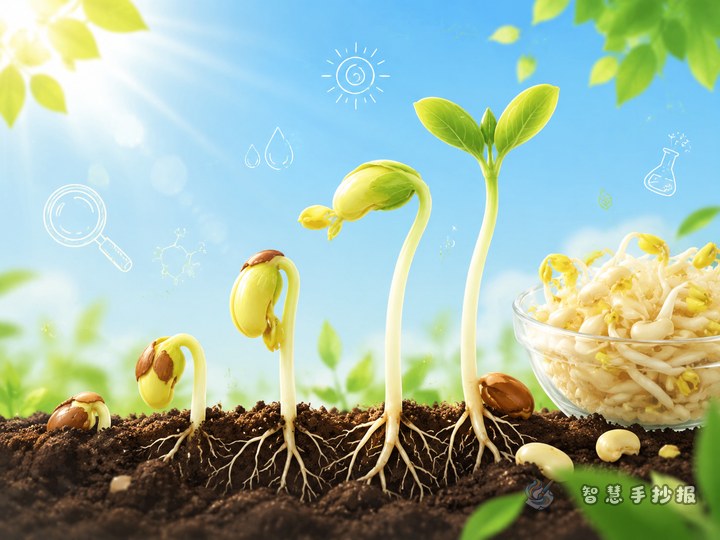
A balcony plant growth poster works best when you choose a small plant with clear day-by-day changes, such as mung beans, garlic sprouts, green onions in water, bean shoots, or a tiny potted succulent. This makes the project feel like a real observation task instead of a general science page. Students can record height, roots, leaf color, watering, and sunlight in a simple and meaningful way.
For children, easy theme titles include My Plant Growth Diary, Watching a Small Plant Grow, or Spring on My Balcony. These titles sound natural and are easy to turn into neat sections.
Four content blocks are enough for a full page
1. What I observed
Introduce the plant name, where it was placed, how it was grown, and when the observation started. For example: I observed mung bean sprouts on the balcony near a sunny window and checked them every morning and evening.
2. Growth record
- Day 1: The seeds absorbed water and became soft.
- Day 3: Tiny white roots appeared and the sprouts began to emerge.
- Day 5: The stems grew taller and small leaves opened slowly.
- Day 7: The color became deeper and the seedlings looked stronger.
3. What I discovered
You can write that plants need sunlight, water, and air, that leaves often turn toward light, and that too much water may affect healthy growth. This section helps connect observation with simple science knowledge.
4. How to care for plants
Add short ideas such as not picking leaves, watering properly, protecting green spaces, and observing gently. This gives the poster both science value and practical meaning.
Ready-to-use writing material
Opening lines: A tiny seed may look quiet and ordinary, but inside it holds strong life. With enough water, air, and sunlight, it can slowly sprout and grow.
Observation note: I learned that plant growth does not happen all at once. It changes little by little each day, and careful observation helps me notice more.
Science fact: Roots absorb water and nutrients, stems support the plant and transport materials, and leaves help the plant make the food it needs to grow.
Closing line: Observing a plant is not only about seeing it grow taller, but also about understanding the quiet power of life in nature.
Try a growth-path layout
This topic looks great as a timeline or growth path design. Put the plant’s growth stages in the center, then place small sections such as observation notes, science facts, and what I learned around it. At the bottom, you can add a care-for-plants message or a short reflection.
- Use green, light yellow, and pale blue for a fresh natural look.
- Decorate with leaves, flowerpots, water drops, sunshine, and tiny sprouts.
- Highlight key words like sprout, sunlight, roots, and leaves in bold.
Small details can make the poster stronger
To make the work feel more authentic, add short notes about the weather, the light position, or how often the plant was watered. A mini section called “The most surprising change” can also make the page more personal and vivid.
If you already have your topic and text but want to improve the layout, colors, or section arrangement, you can continue creating in the Zhihui Handwritten Newspaper WeChat mini program for a cleaner and more complete poster.