Start with a clear message: show safety first
For a typhoon and rainstorm safety poster, the best approach is not to fill it with weather facts only. A clearer idea is to organize it around three stages: before the storm, during the storm, and after the storm. This makes the poster practical and easy for students to understand.
You can also place a short slogan under the title, such as “Prepare early, stay calm, stay safe.” It helps the whole page feel focused and meaningful.
Four useful sections to include on the poster
1. What to prepare before a typhoon or heavy rain
- Pay attention to weather alerts and follow school or family arrangements.
- Close windows well and bring loose items in from the balcony.
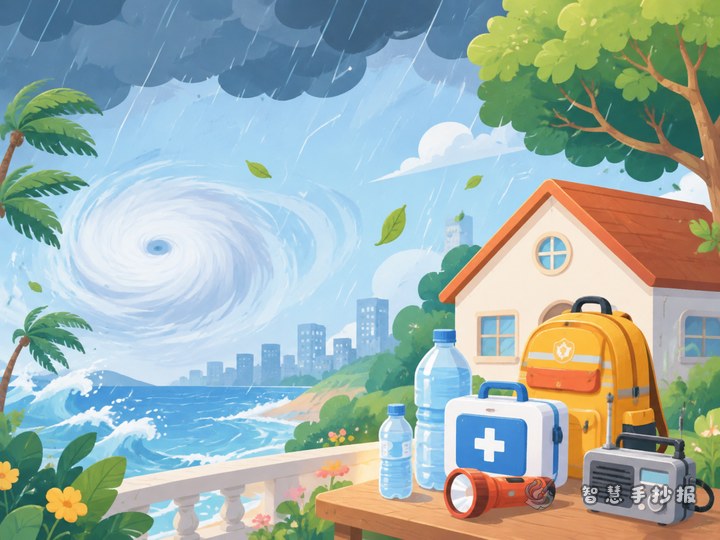
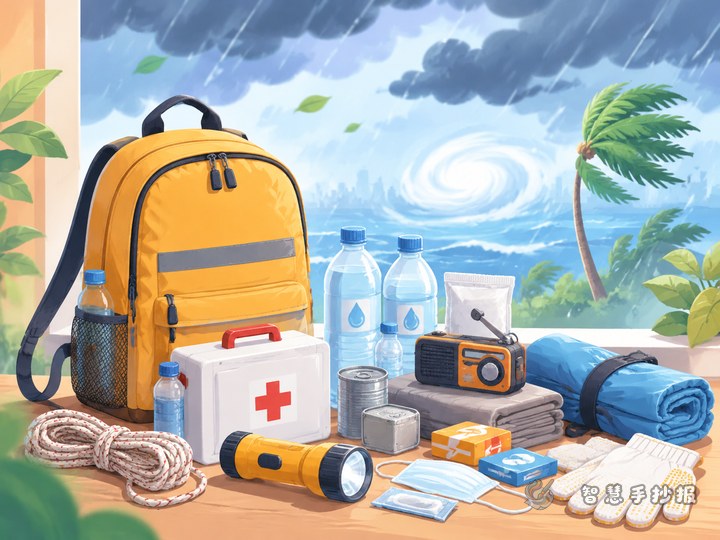
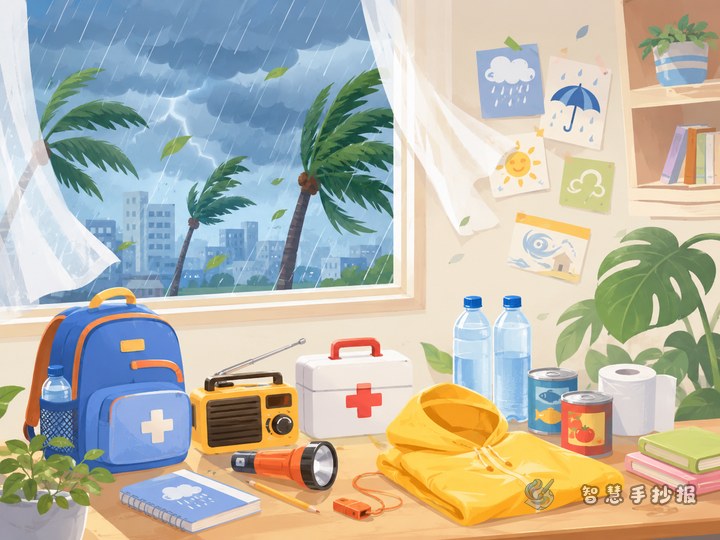
- Prepare a flashlight, drinking water, daily medicine, and charged devices.
- Remember parents’ phone numbers and a safe meeting place.
2. How to stay safe during a rainstorm
- Do not stand under big trees, billboards, or near utility poles.
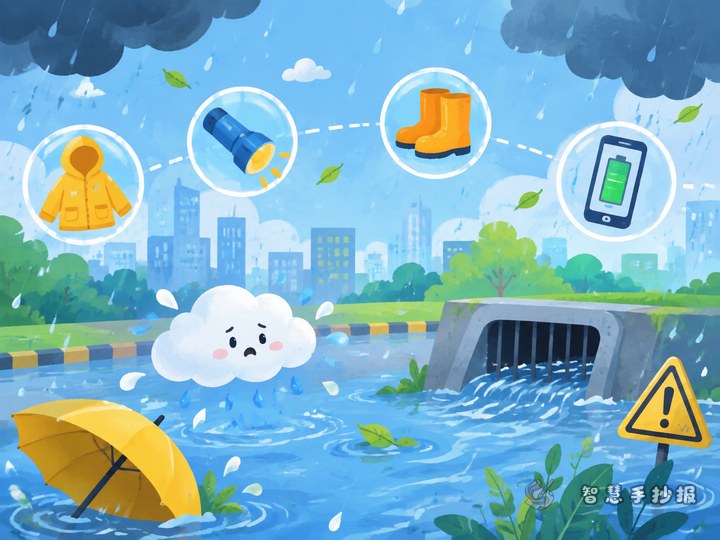
- Do not walk through deep water or play in flooded areas.
- If caught in heavy rain, go indoors and wait in a safe place.
- Avoid loose manhole covers and roads with serious flooding.
3. Safety tips at home on typhoon days
- Keep doors and windows closed and stay away from glass.
- Go out only when necessary and do not stay near balconies.
- If the power goes out, do not touch wet electrical appliances.
- If water enters the home, protect people first and follow adult guidance.
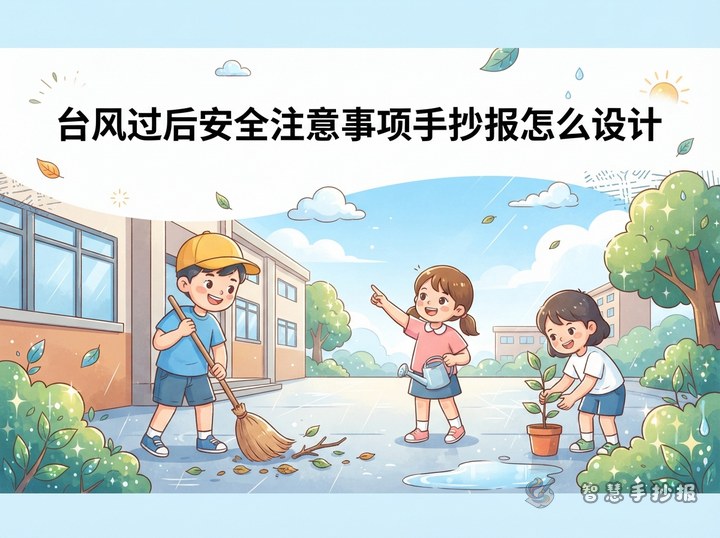
4. What to watch for after the storm
- Stay away from fallen trees and hanging power lines.
- Do not play in puddles or flooded streets.
- Pay attention to clean drinking water and indoor ventilation.
- Follow local safety arrangements before going out again.
Short safety lines you can write directly
Poster text should be short and easy to read. These simple lines work well:
- Typhoons are dangerous, but preparation helps.
- Stay away from risky places during heavy rain.
- It is better to take a longer route than walk through floodwater.
- Safety first, calm action matters most.
- Watch alerts, avoid danger, protect yourself and others.
You may also add a short statement of action: We should learn storm safety, improve awareness, avoid risky behavior, and protect ourselves and our families.
A layout idea that looks neat and clear
This topic works very well as a three-part safety layout. Put the main title in the center, then divide the page into “Before,” “During,” and “After.” Each part can include a few short tips, so the reader can understand the key points at a glance.
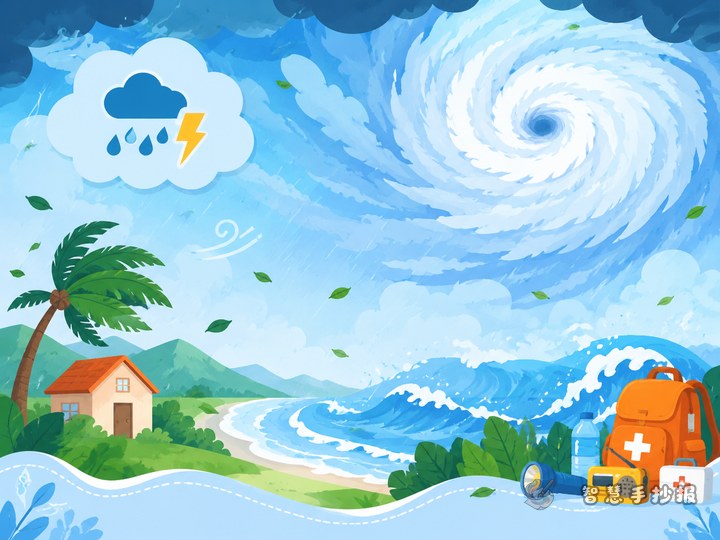
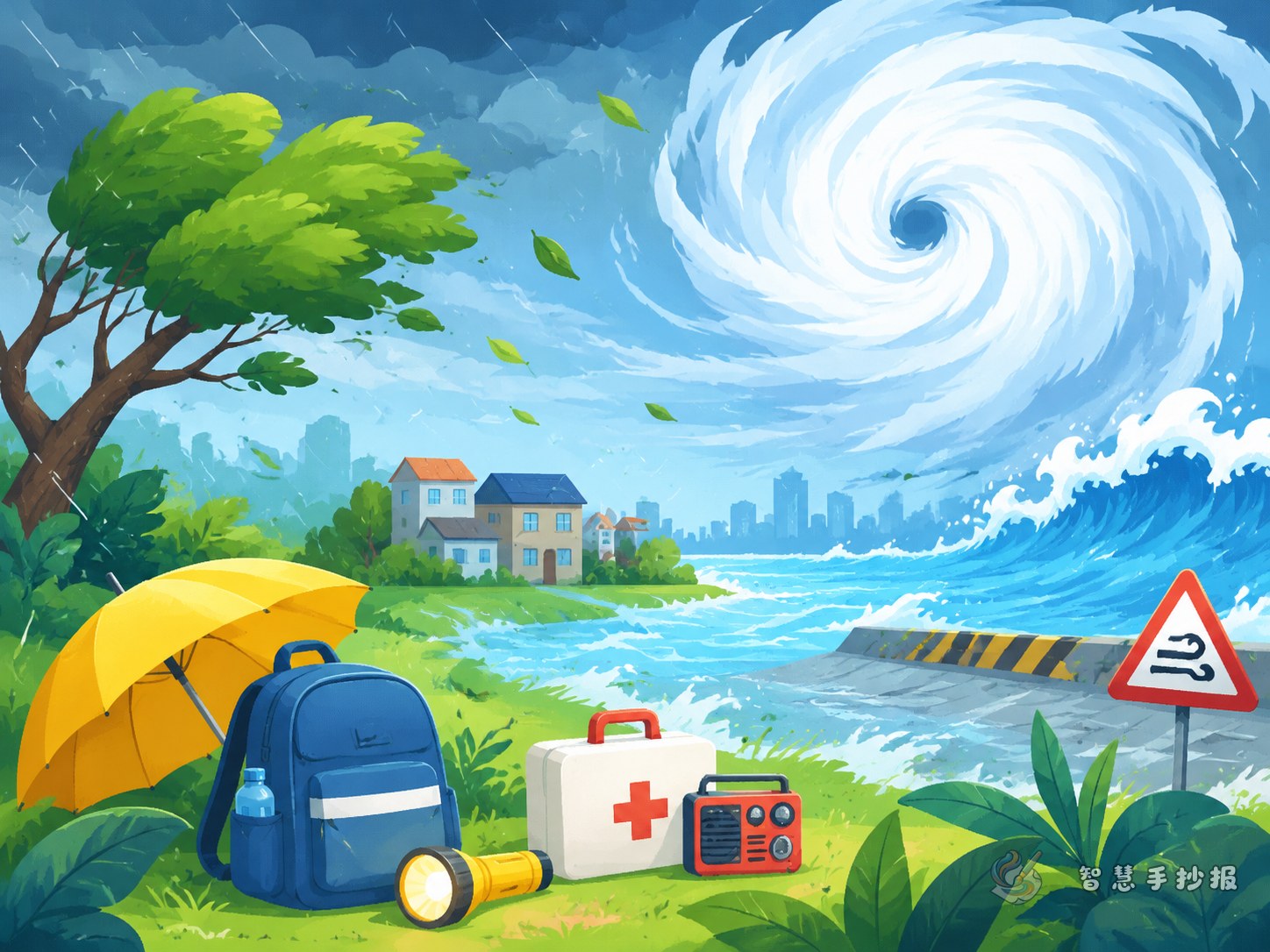
- Use borders or decorations such as clouds, raindrops, umbrellas, lifebuoys, or warning signs.
- Choose blue, green, and yellow for a clean safety theme.
- Highlight key phrases like “Do not walk through floodwater” or “Stay away from power lines” in bold.
- Leave enough blank space so the poster does not look crowded.
Easy finishing tips for students
If the page feels too full, choose only the most important 6 to 8 safety reminders. A good handwritten newspaper does not need too much text. It needs clear and useful information.
You can add simple drawings such as a child in a raincoat, a family closing windows, or a safe indoor shelter scene. After finishing, check spelling, make section titles consistent, and make sure the most important warnings stand out.
If you want more ideas for page layout, colors, and title design, you can continue exploring in the Zhihui Shouchao Bao WeChat mini program.