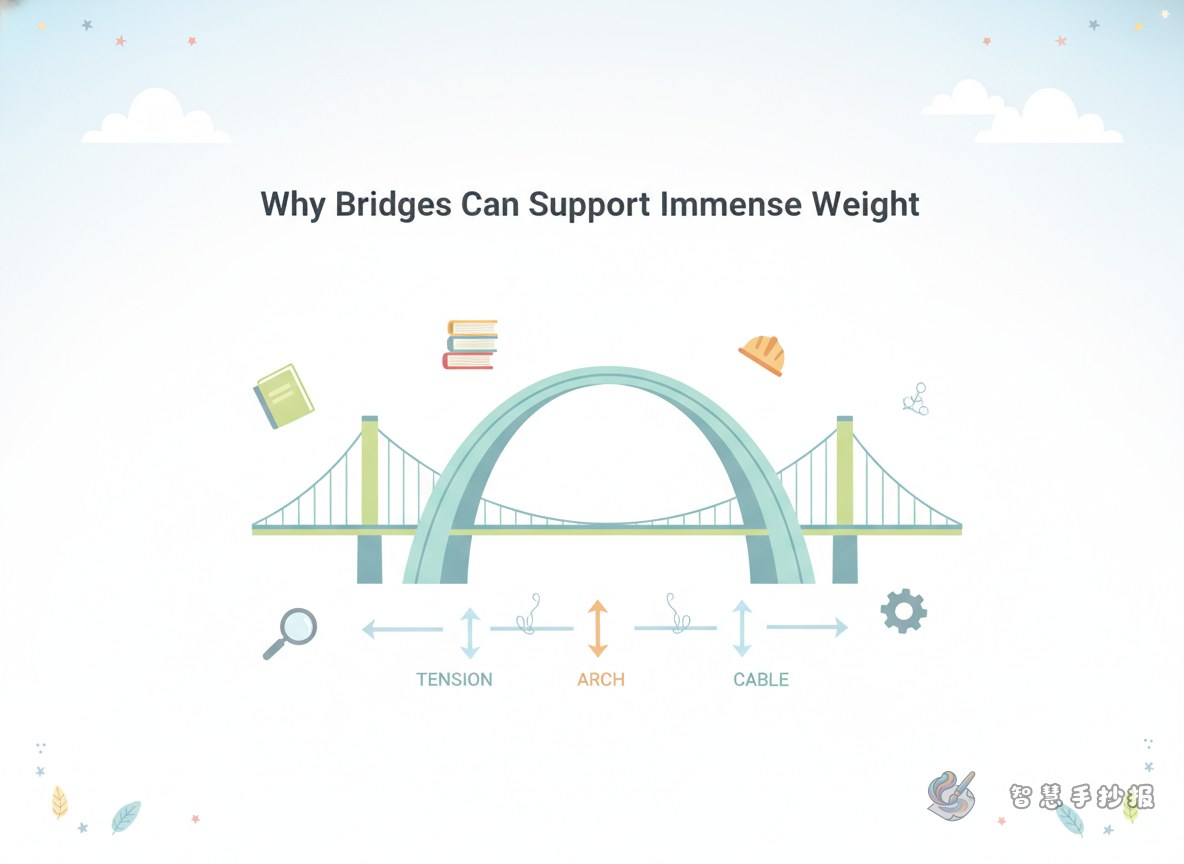
Start with one clear question
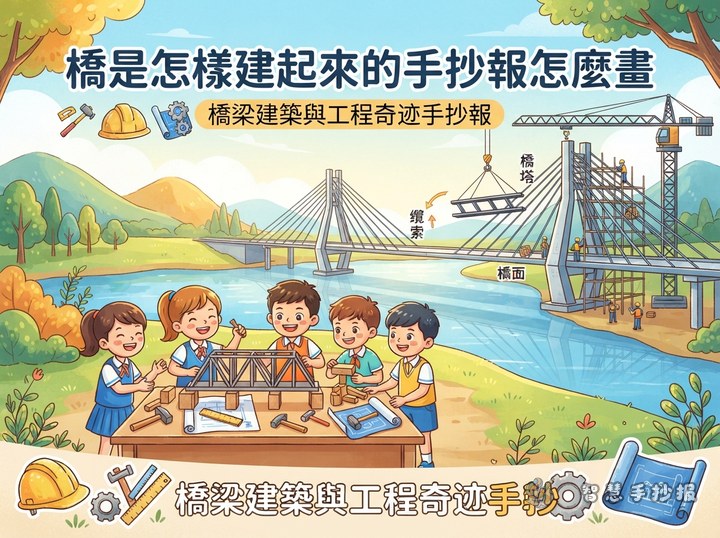
If the topic is “Why can bridges carry so much weight?”, the best approach is to build the whole poster around one simple idea: a bridge stays safe because its structure, materials, and force distribution work together. This makes the page more focused than simply listing famous bridges.
You can place the title in the center and add small captions around it, such as “What supports the bridge?”, “Why does the shape matter?”, and “How do engineers keep bridges stable?” This kind of layout looks organized and easy for students to explain in class.
Useful sections to include on the poster
- Bridge Basics: A bridge helps people, cars, or trains cross rivers, valleys, or roads.
- Main Supporting Parts: Bridge deck, piers, arches, cables, beams, and foundations.
- Why It Can Hold Weight: The load is shared by different parts instead of staying in one place.
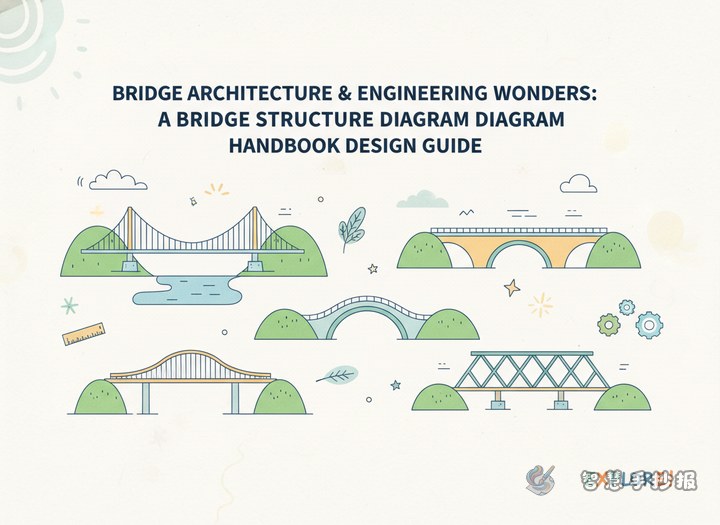
- Why Bridges Have Different Shapes: Different environments and distances need different designs.
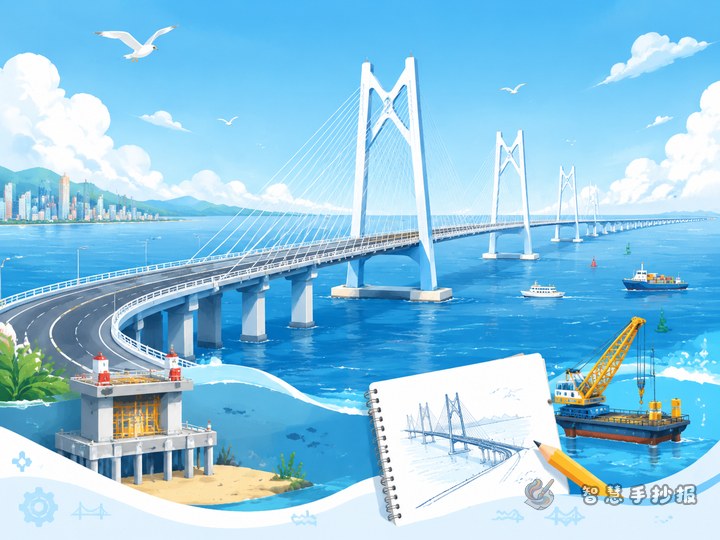
- Engineering Wonder Corner: Write what makes a bridge impressive, such as length, height, or clever structure.
These sections are practical for a handwritten newspaper because they combine science facts, neat organization, and room for drawings.
Simple text students can copy
A bridge does not stay strong by luck. It stands because engineers design each part carefully. Some parts carry weight downward, some spread the force outward, and some help keep the whole bridge balanced. Strong materials such as steel, concrete, and stone also help bridges stay safe.
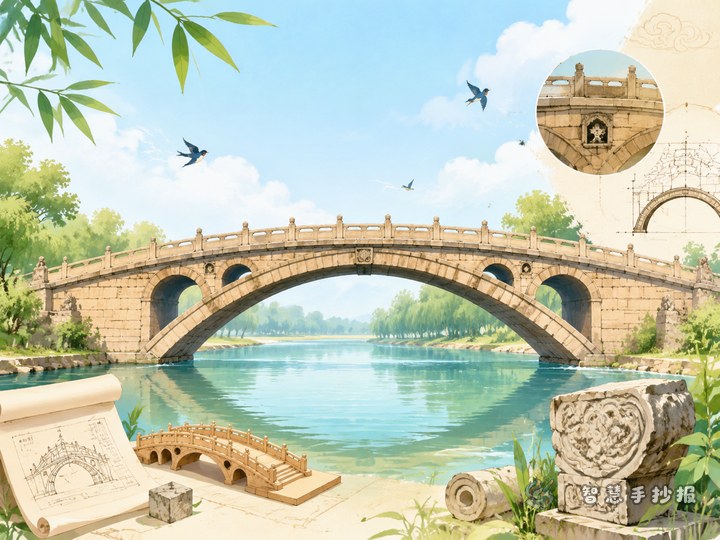
Different bridges use different ideas. An arch bridge uses its curved shape to pass force outward. A cable bridge uses strong cables to hold the deck. A beam bridge uses straight supports to carry weight. Even though they look different, they all solve the same problem: how to carry heavy loads safely.
How to make the page look more like engineering
Instead of filling the page with long paragraphs, mix short text with small structural sketches. You can draw a side view of a bridge and label the important parts. Add arrows to show where the force goes. This makes the poster feel more scientific and easier to understand.
- Draw piers under the bridge deck
- Use arrows to show weight moving downward
- Mark cables, arches, or beams with short labels
- Add small icons of cars, water, or hills for context
Using blue, gray, and orange together can create a clean engineering style without making the page too dark.
A layout idea that is easy to complete
- Top center: main title
- Left side: “What is a bridge?” and “Main parts”
- Right side: “Why it holds weight” and “Different bridge shapes”
- Bottom area: one bridge sketch plus a short reflection
For the reflection part, students can write one or two lines such as: “I think bridges are great engineering wonders because they help people travel safely and show human wisdom.” This adds a personal touch and makes the poster more complete.
Before finishing the poster
Check that the writing is short, clear, and easy to read. Keep the most important ideas in bold headings, and do not crowd every corner with text. If you want to keep improving the design, you can continue arranging titles, sections, and decorative elements in the WeChat mini program of Zhihui Shouchaobao for a cleaner final result.