Choose a practical angle before you start
A low-carbon living poster works best when it focuses on small actions children can really do instead of only using big slogans. A simple angle like “Start low-carbon living with everyday habits” makes the content easier to write and easier for teachers and classmates to understand.
You can build the whole page around saving electricity, saving water, reducing waste, reusing items, and protecting nature. This keeps the message clear: caring for the environment begins with daily choices.
Useful sections to include on the poster
To make the page full but not crowded, divide it into several small sections.
- What is low-carbon living: Explain in one or two short sentences that it means saving resources, reducing waste, and living in a more eco-friendly way.
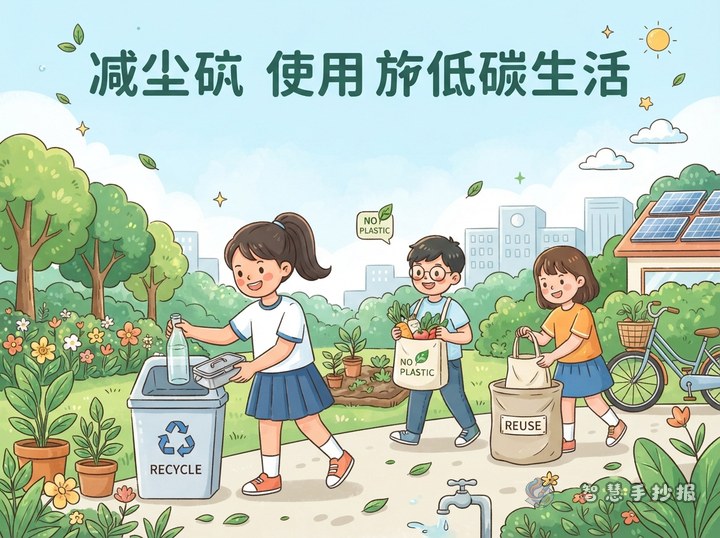
- Eco actions at school: Turn off lights, save water, use both sides of paper, sort waste, and avoid wasting lunch.
- Eco habits at home: Bring your own shopping bag, use fewer disposable items, reuse old things, and keep air conditioning at a reasonable level.
- My green promise: Add a few first-person lines such as “I will save every sheet of paper I can.”
If you still have extra space, add a small slogan area or a short green tip section.
Ready-to-use text for students
If you are not sure what to write, these short lines are easy to copy into a poster:
- Low-carbon living starts with me.
- Save water and treasure every drop.
- Save paper and protect more trees.
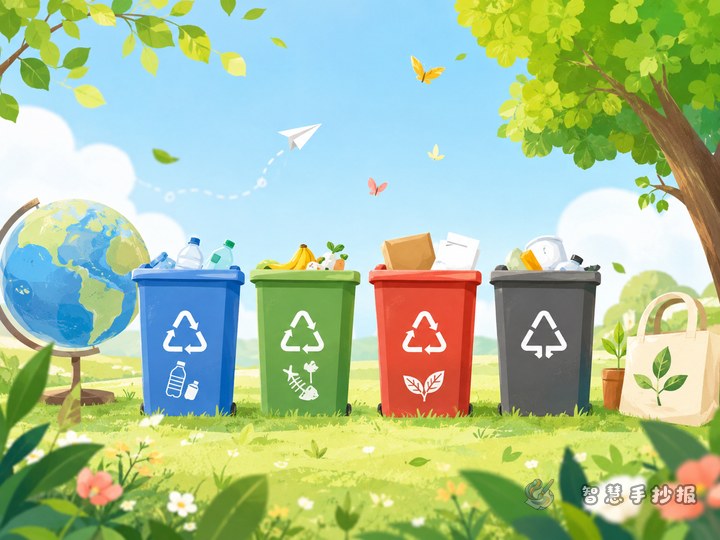
- Sort waste and keep the earth clean.
- Waste less and live greener.
- Walk or ride a bike for greener travel.
You can also add a short paragraph: Protecting the environment begins with small things. We can save paper at school, turn off lights at home, bring our own cups, and reduce waste in daily life. These actions may seem small, but together they help the planet a lot.
A layout idea that looks neat and lively
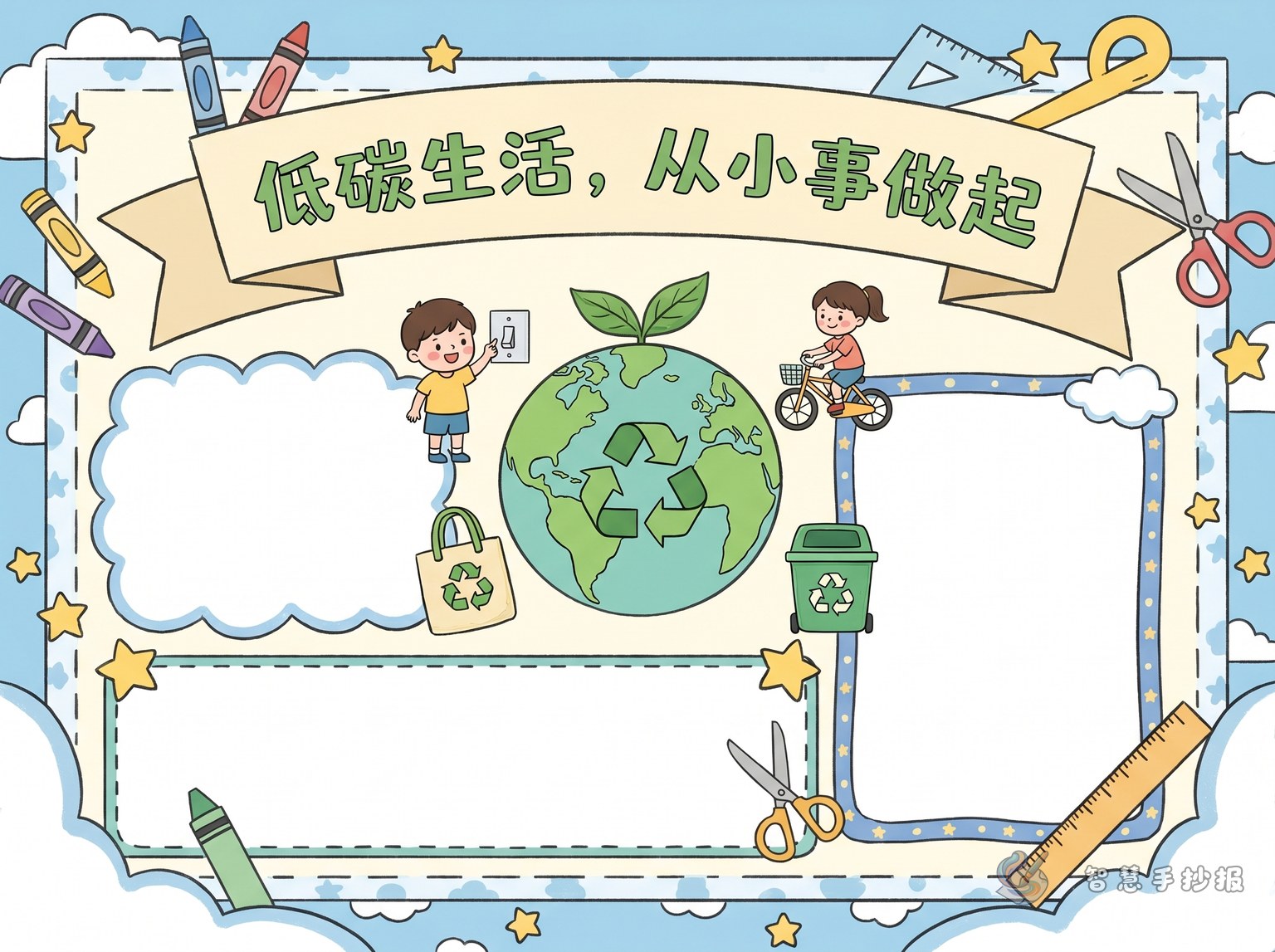
A strong layout for this topic is a big center title with sections around it. Put “Low-Carbon Living” in large letters in the middle, then place four content blocks around it, such as school actions, home habits, slogans, and my promise.
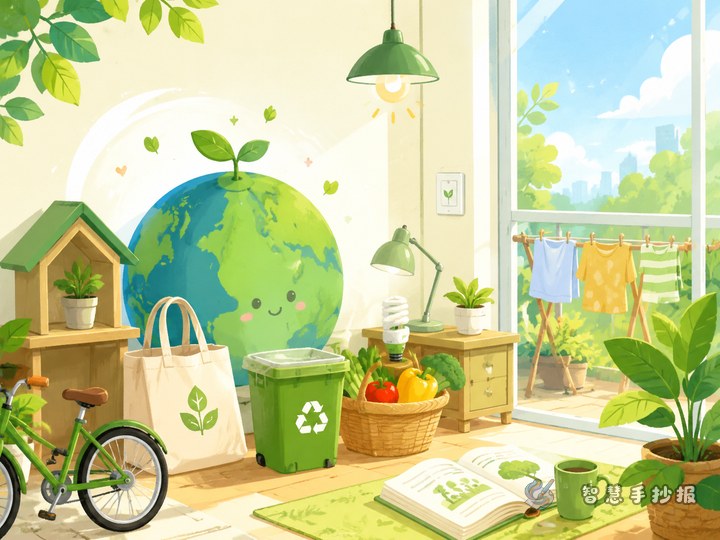
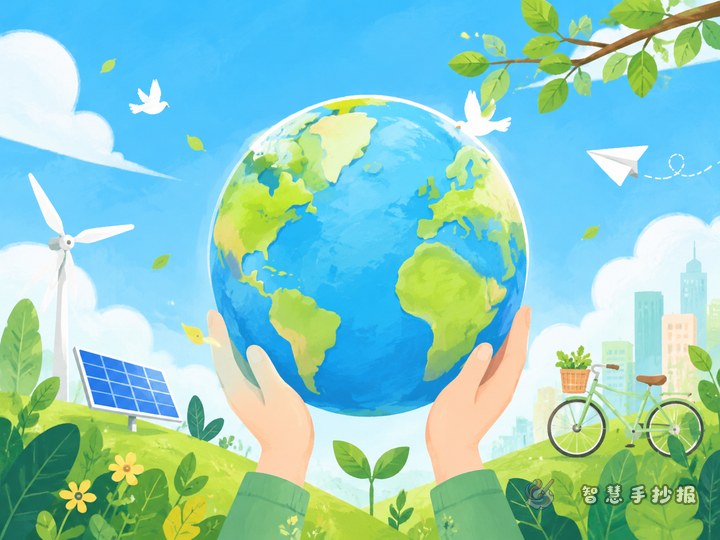
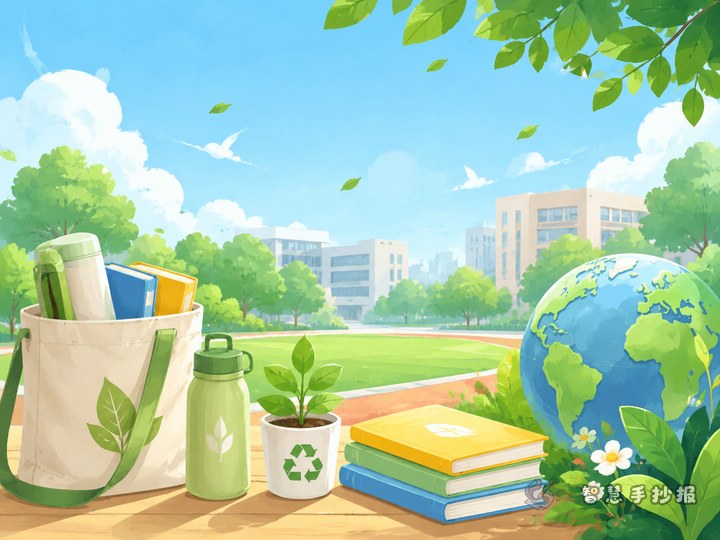
Green and blue are the best main colors, with a little yellow to brighten the page. Good decorations include trees, the earth, water drops, bicycles, leaves, recycling bins, and children watering plants. Keep the border simple so there is enough room for writing.
If you want a more playful style, shape your text boxes like leaves, clouds, or recycling symbols, but make sure the handwriting stays clear.
How to make the poster feel more personal
Teachers often like posters with real actions, so add a small section called “My low-carbon plan this week.”
- Bring my own water bottle every day.
- Use both sides of paper when possible.
- Turn off lights and fans when leaving the classroom.
- Finish my meals and avoid wasting food.
- Sort recyclable items with my family on weekends.
This kind of content feels more sincere than general slogans. After finishing the writing, check whether the title stands out, whether the sections are clear, and whether the colors match well. If you want to continue with layout ideas and design support, you can also explore the WeChat mini program by Zhihui Shouchaobao.