Choose a clear focus before drawing
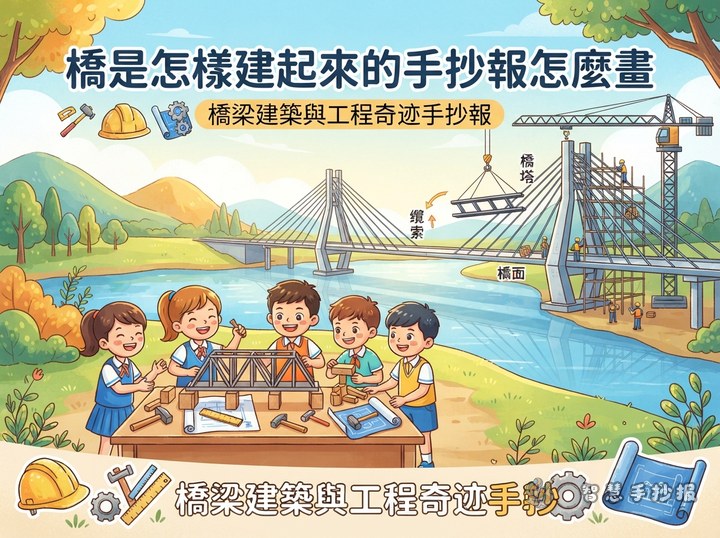
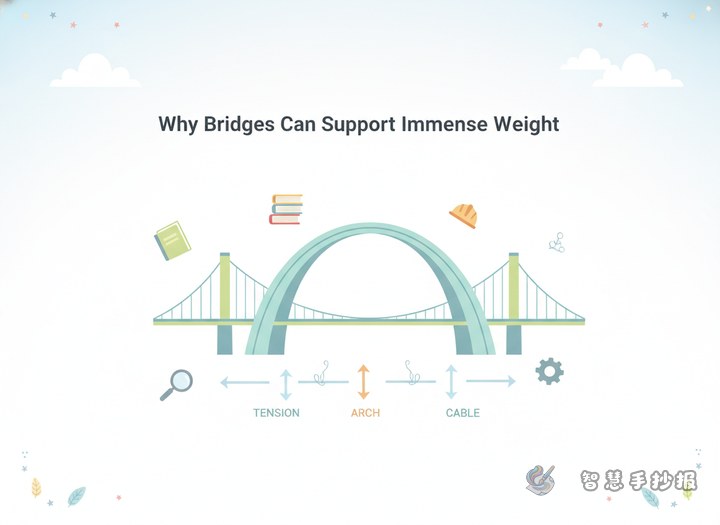
A bridge-themed handwritten poster should do more than show a beautiful bridge. If the topic is about architecture and engineering wonders, the page should highlight structure and design logic. That means students should combine the bridge shape with labeled parts such as the deck, pier, tower, cable, or arch.
A natural title can be something like “Why Can a Bridge Stay Strong?” or “What Parts Make Up a Bridge?” This kind of direction is easier for students to develop than a broad topic.
Plan one strong center illustration
The middle of the page should contain a bridge structure sketch. It does not need to be complicated, but it should be easy to label and understand. Students may choose one of these ideas:
- Draw a cable-stayed bridge and label the tower, cables, deck, and piers.
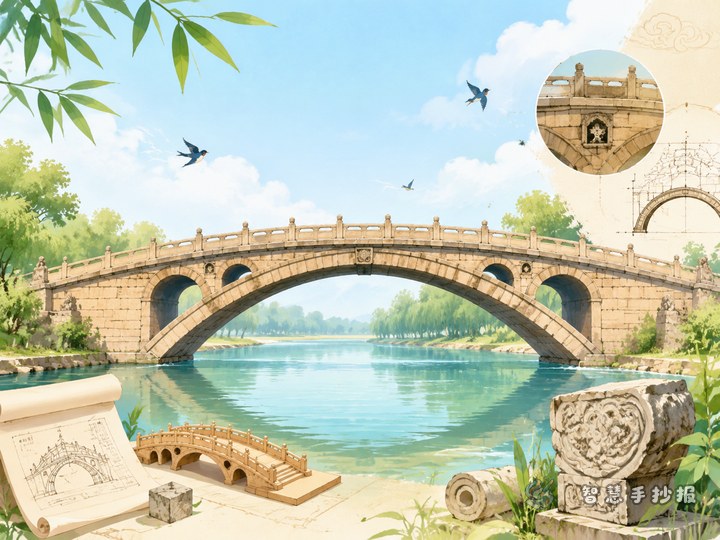
- Draw an arch bridge and mark the arch, deck, and supports.
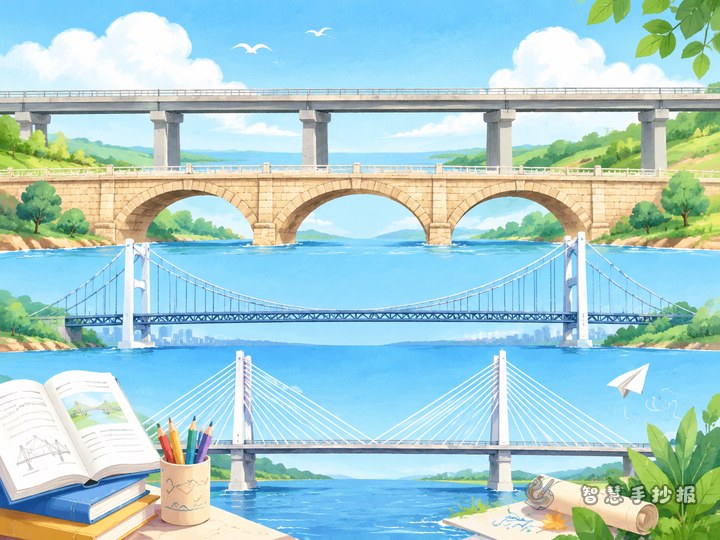
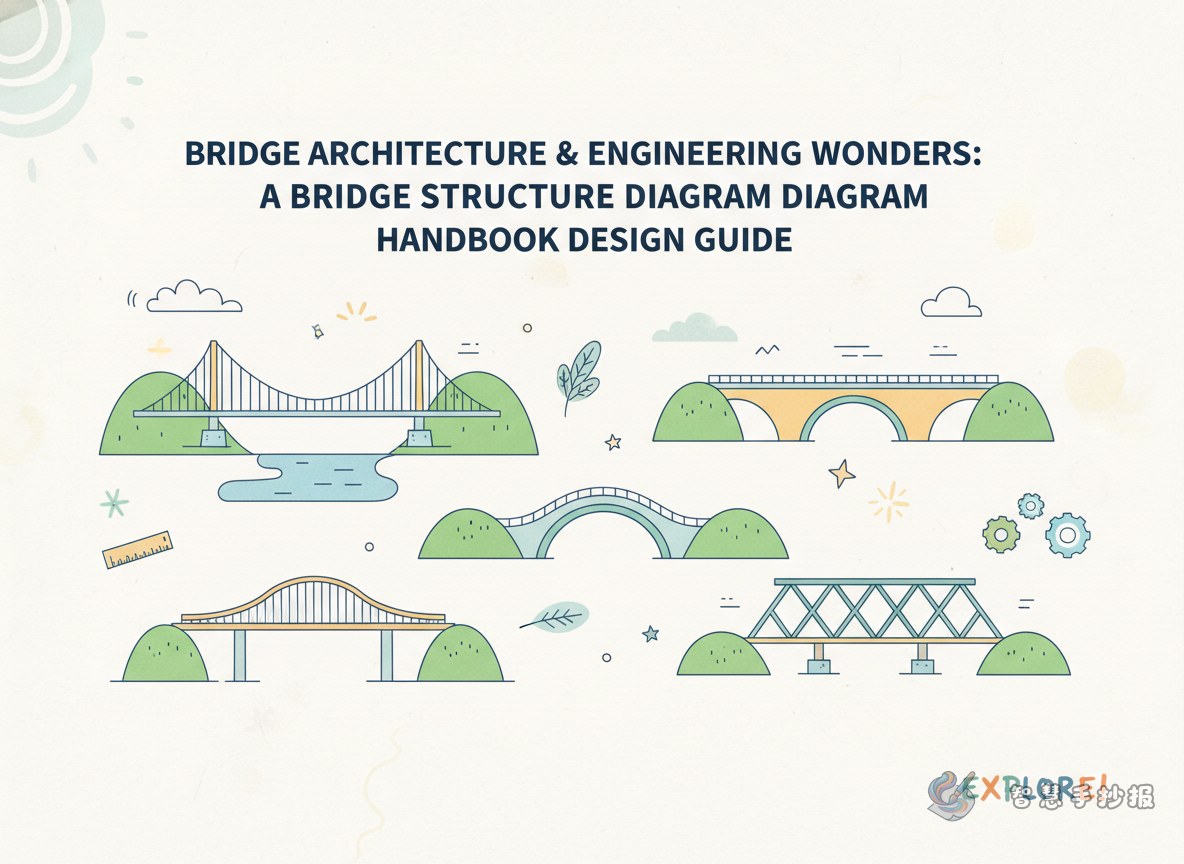
- Show four small bridge types together as a bridge family chart.
Add a short line near the drawing, such as A bridge connects places through smart design and strong structure.
Ready-to-use text materials
Main parts of a bridge
A bridge usually includes the part people travel on, the supporting structure, and the foundation below. The deck carries traffic, while piers, towers, arches, or cables help move the weight safely to the ground. Different bridges look different, but all of them solve the same problem: crossing space safely.
Common bridge types
- Beam bridge: simple and often used on roads.
- Arch bridge: uses a curved shape to spread pressure.
- Cable-stayed bridge: supported by towers and cables.
- Suspension bridge: works well for very long spans.
Why bridges stay stable
Bridge design considers weight, wind, water, materials, and safety. Engineers create a path for forces to move through the structure, so the load from the deck is spread to piers, towers, or cables. That is why a bridge can remain stable.
Why bridges are engineering wonders
Some bridges cross wide rivers, some stand above deep valleys, and some must resist strong wind or earthquakes. Bridge projects combine measurement, design, materials, and construction skill, which is why they are often seen as engineering wonders.
Ways to make the page look better
This topic works well with a technical drawing style. Blue, gray, and orange can make the page look clean and engineering-related. Bold the main title and place important words inside small boxes for a clearer visual effect.
- Put the title at the top with simple bridge or cable decorations.
- Place the main structure drawing in the center.
- Arrange small sections around it for types, parts, force, and meaning.
- Add a small section called “The Bridge I Want to Design” for a personal touch.
If the page feels empty, students can add light background elements such as waves, roads, hills, or riverbanks, but the main content should stay easy to read.
Short lines students can copy into the poster
- Bridges connect both land and people.
- A good bridge needs smart design and careful building.
- The deck carries movement, and the structure carries force.
- Different bridge types fit different places and distances.
- Bridge engineering combines wisdom, safety, and teamwork.
How to end the poster well
The ending can be short and thoughtful. Students may write that learning about bridge structure helped them understand that engineering is not only about building something large, but also about making it safe, useful, and beautiful. That creates a complete school project.
If you already know your bridge type and page sections, you can continue improving the layout, colors, and text arrangement in the Zhihui Shouchao Bao WeChat mini program.