Start with one clear main idea
The core of this handwritten newspaper can be summarized as currency circulation supported trade routes, and thriving trade routes promoted commercial civilization. Instead of writing everything at once, build the page around four simple questions: what coins were like, what goods were traded, how routes connected places, and what changes trade brought.
Section ideas you can use directly
Section 1: Quick facts about ancient coins
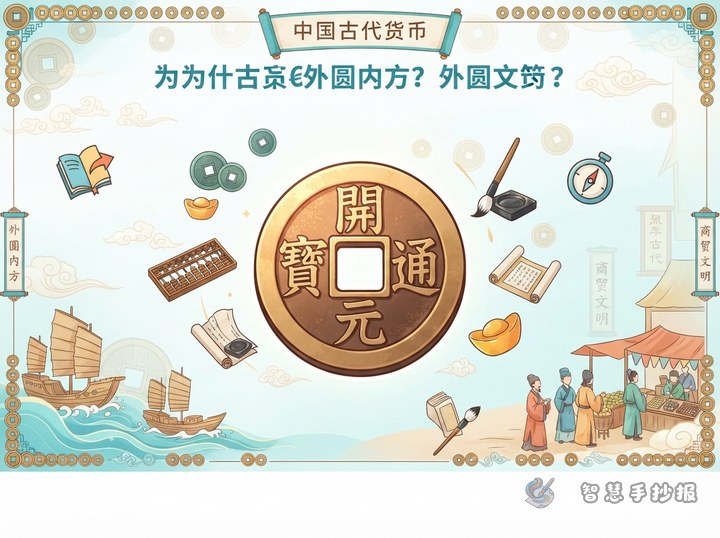
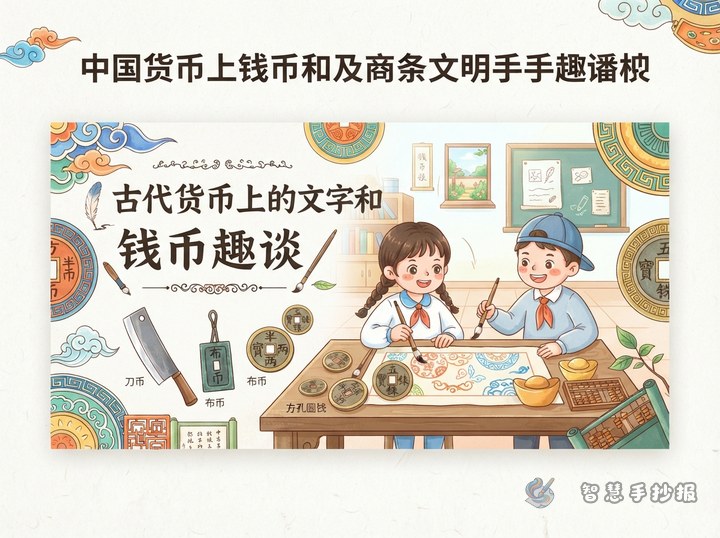
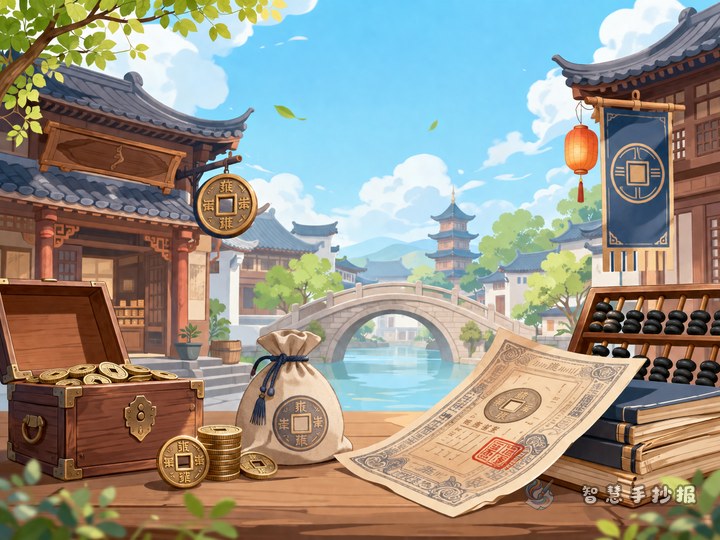
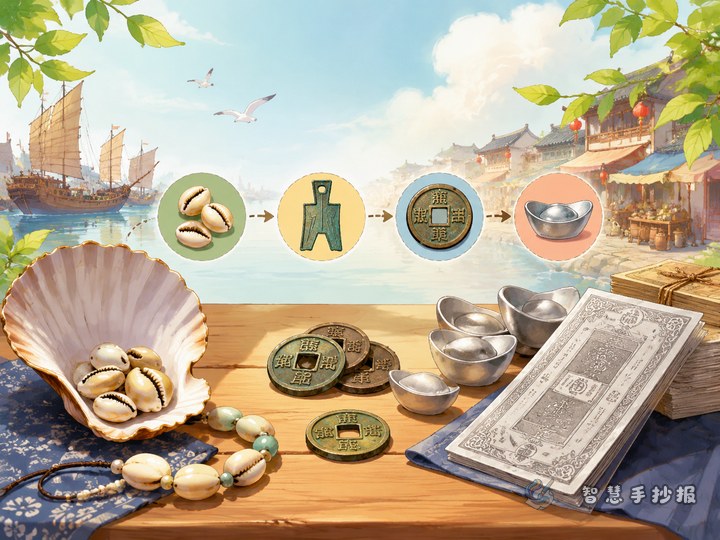
Ancient Chinese copper coins were an important form of money. Many were round with a square hole in the center, making them easier to string together and carry. Coins helped people buy and sell goods and reflected the growth of trade.
Section 2: What was traded on the Silk Road
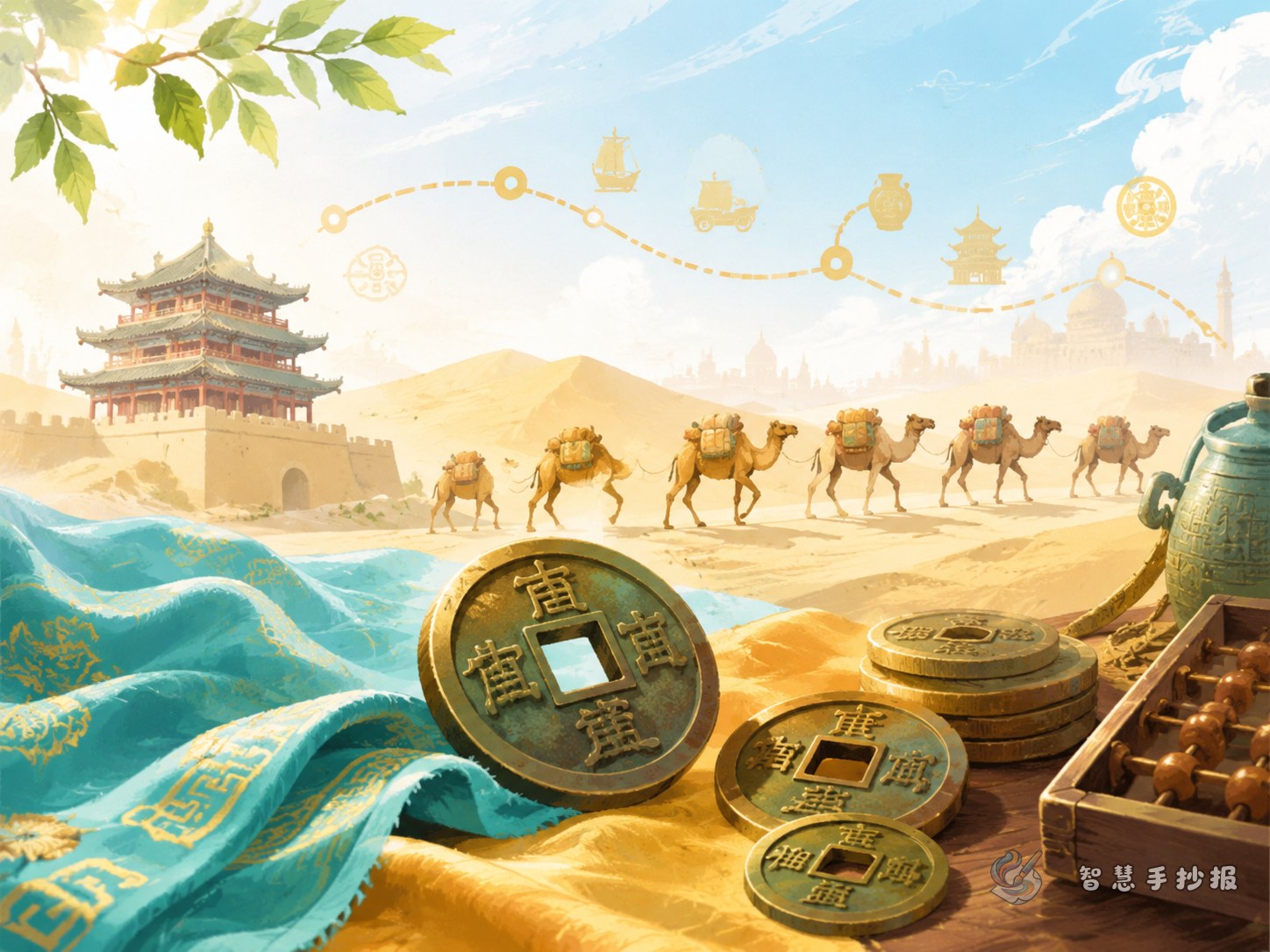
Students can list common trade goods such as silk, tea, porcelain, and spices. These goods moved across long distances and connected different regions through exchange.
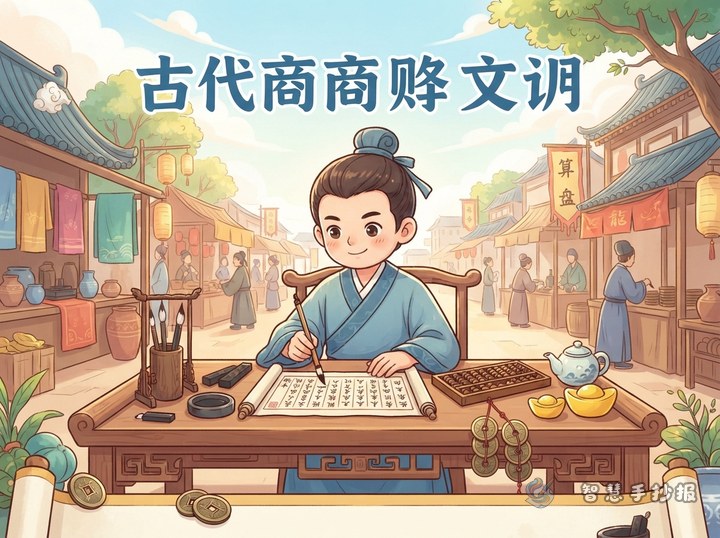
Section 3: Merchants and growing cities
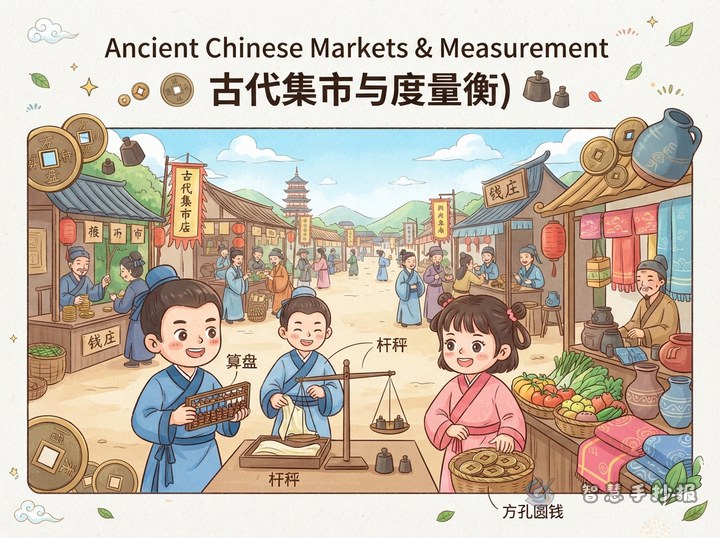
As merchants traveled with goods, markets and towns along the routes became more active. Trade made some places busier and helped different cultures meet and learn from one another.
Section 4: My short conclusion
A simple closing line can be: From one coin to one trade route, ancient Chinese commercial civilization grew through exchange.
Short text materials for the page
- Ancient coins were important tools for trade.
- Round coins with square holes were easier to carry and store.
- The Silk Road connected many regions through commerce.
- Silk, tea, and porcelain were famous trade goods.
- Trade spread not only goods but also culture and ideas.
- Prosperous routes helped cities and markets develop.
How to arrange the layout
You can divide the page into three parts. Put ancient coins on the left, the title and a route design in the center, and traded goods plus commercial influence on the right. A horizontal layout also works well: title at the top, main content in the middle, and a summary at the bottom.
- Place the title inside a coin-shaped or scroll-shaped frame.
- Keep each section to about three to five lines.
- Highlight key words such as currency, route, exchange, and prosperity.
- Fill empty corners with simple drawings like camels, carts, or strings of coins.
Color and decoration tips
Earthy yellow, green, brown, and muted red can create an ancient trade atmosphere. Decorative elements may include coin patterns, ribbon borders, desert curves, gates, and merchant flags. Keep decorations light so the text stays easy to read.
A good way to end the page
Your ending can be short but complete: Ancient money made trade easier, and the Silk Road made exchange broader. Learning about them helps me understand the wisdom and vitality of ancient Chinese commercial civilization. If you want to keep improving the layout and title design, you can continue creating in the Smart Handwritten Newspaper WeChat mini program.