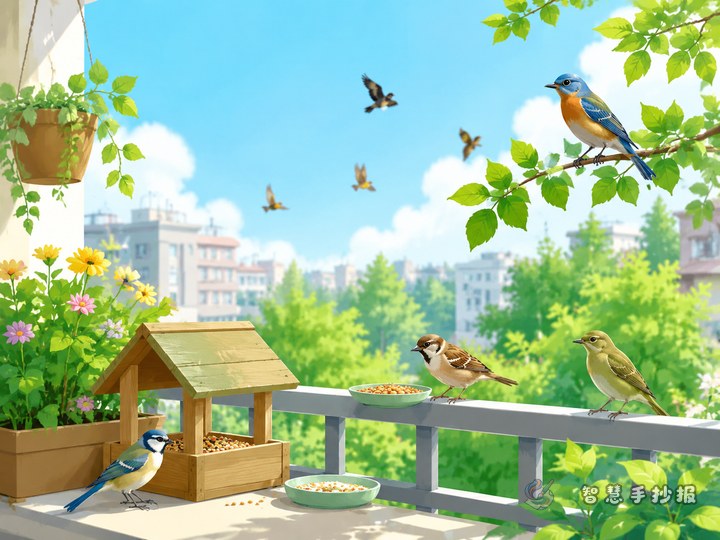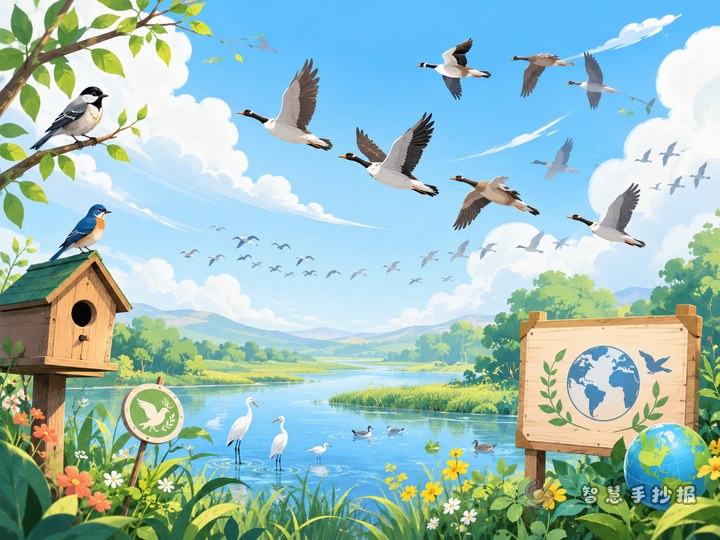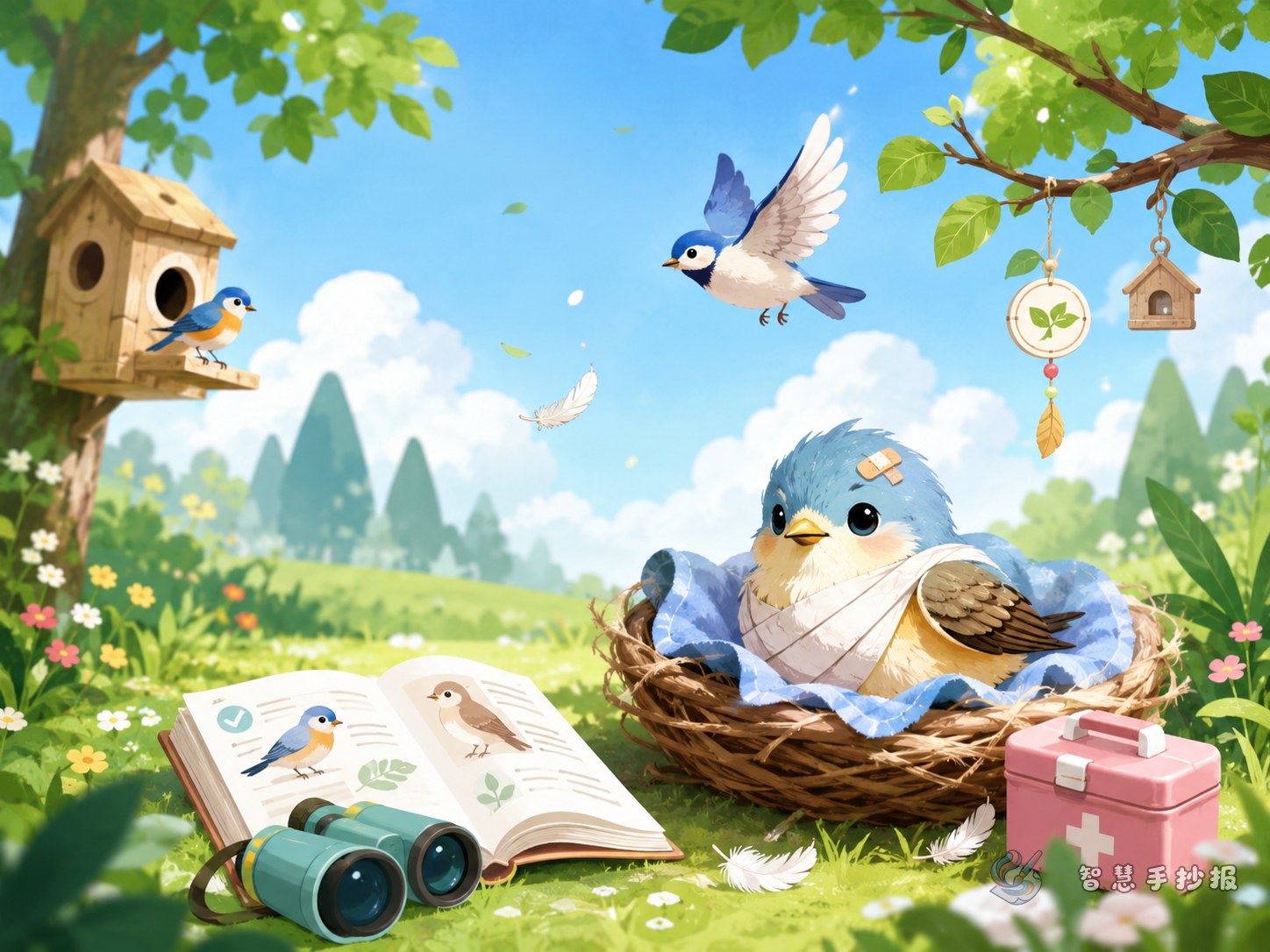
Build the page around “protect first, help wisely”
When children see an injured bird, they often want to pick it up right away. A better handwritten newspaper theme is kindness with correct action. The page should explain that caring for birds does not mean touching them immediately. It means staying calm, reducing stress for the bird, and getting help from adults.
You can choose a title such as “What should I do if I find an injured bird?” or “Caring for birds safely” to make the topic feel practical and real.
Easy sections students can write
1. Observe first
- Look carefully before doing anything.
- Do not shout, chase, or crowd around the bird.
- Notice nearby dangers such as cats, dogs, traffic, or large groups of people.
2. Do not touch carelessly
- Do not grab the bird unless an adult decides action is needed.
- Do not pass it around out of curiosity.
- Do not keep touching or photographing it at close range.
3. Ask an adult for help
- Tell a parent, teacher, or another trusted adult at once.
- Explain where the bird is and what it looks like.
- Let adults decide the next step.
4. Never feed it randomly
- Not all birds can eat bread, rice, or drink milk.
- The wrong food may cause more harm.
- A simple line for the page is: “If you are not sure, do not feed.”
Useful “don’t do this” warning box
This topic works especially well with short warning lines. They can be placed in a bright side box or a red reminder area:
- Do not squeeze the bird or pull its wings.
- Do not take it home secretly.
- Do not pour water on it.
- Do not feed snacks or random food.
- Do not disturb nests, feathers, or baby birds for fun.
Turn the layout into a rescue flow chart
To make the handwritten newspaper neat and easy to follow, use a four-step layout:
- Find the bird
- Observe from a distance
- Ask an adult for help
- Protect the surroundings
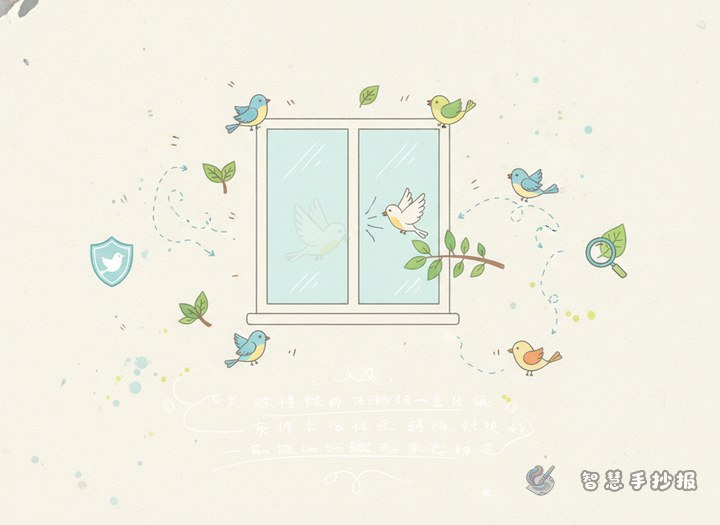
Add small drawings or icons beside each step. An eye can mean observation, a phone can mean asking for help, and leaves can represent nature protection. In the center, draw a bird near a branch and place short text boxes around it.
Ending lines and pledge ideas
Finish the page with a short, warm message such as:
- Protect birds by disturbing them less.
- Staying calm is part of caring.
- Watch birds kindly, protect birds wisely.
- Protecting birds means protecting nature.
If you want to keep improving the title art, section boxes, and overall design, you can continue making your page in the Zhihui Shouchaobao WeChat mini program.