Turn a Daily Problem into a Clear Poster Theme
A strong title for this topic can be “Why Do Birds Hit Windows?” or “How Can We Help Birds Avoid Glass?” This makes the poster feel close to real life and easy for young readers to understand.
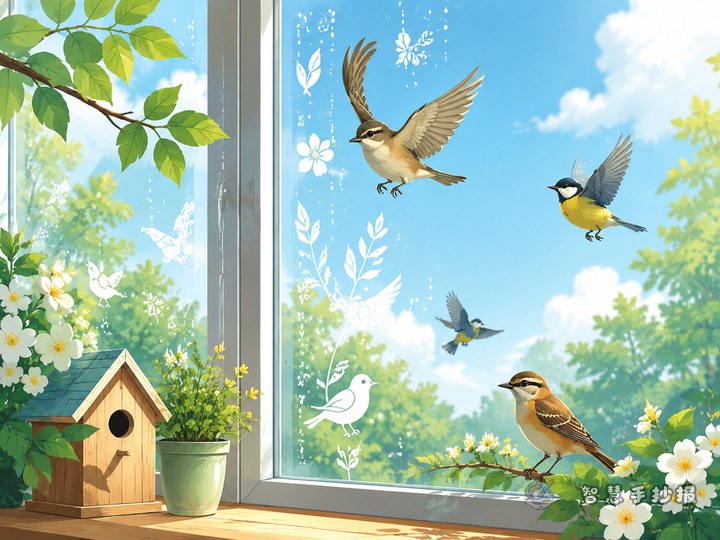
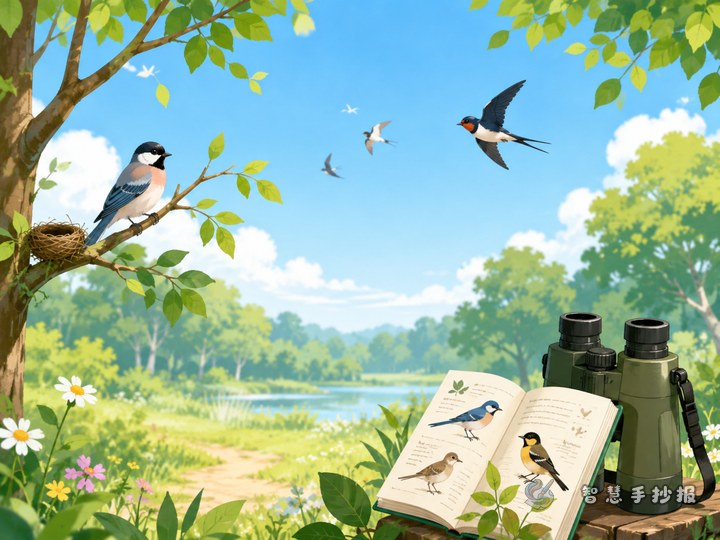
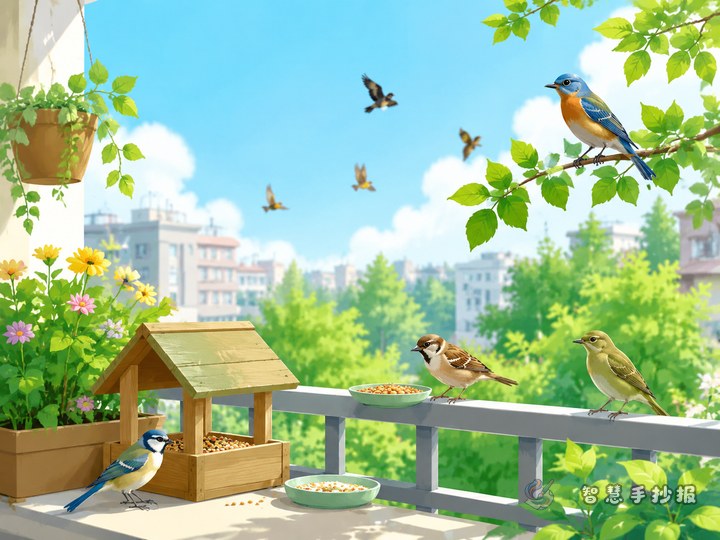
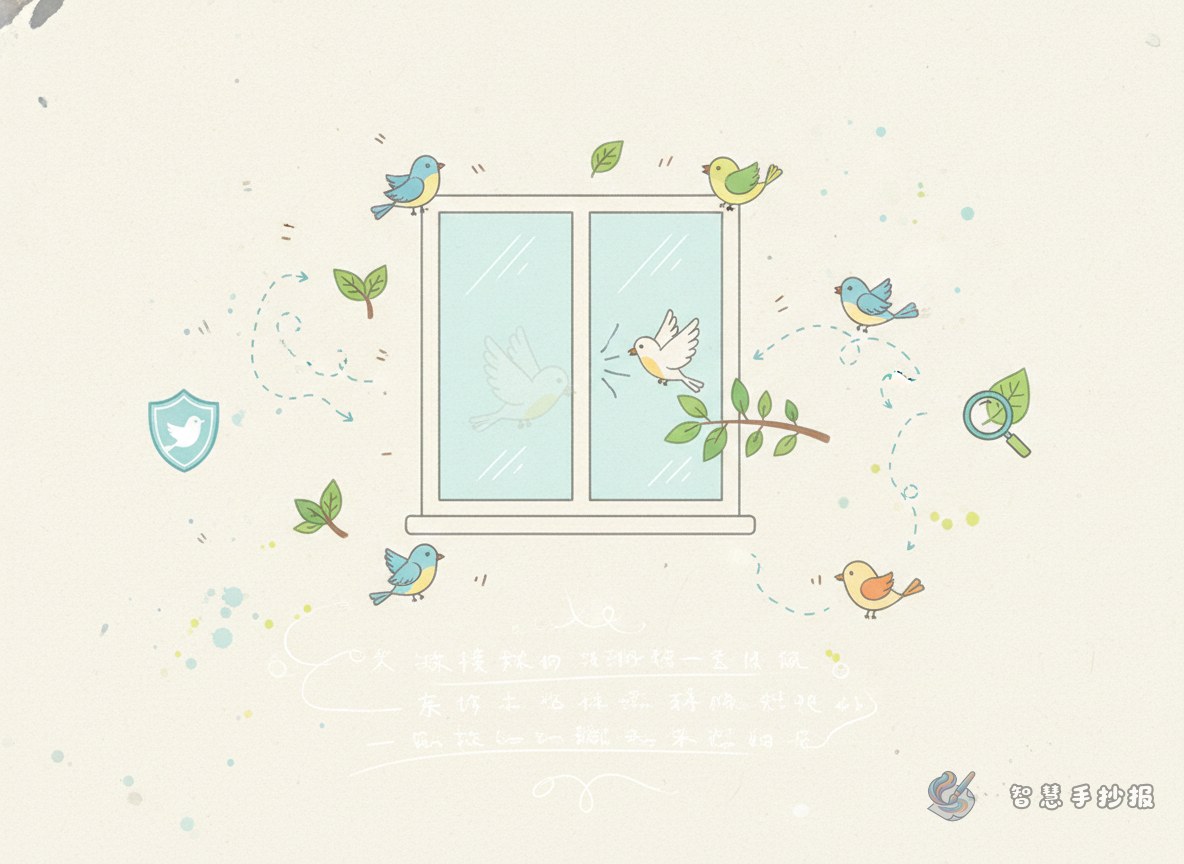
You can begin with a simple scene: birds often fly near trees, balconies, classrooms, and buildings. When glass reflects the outside world or looks invisible, birds may not realize there is a barrier.
Easy Facts to Write in the Main Text
- Reflection problem: Glass can reflect blue sky, clouds, or branches, so birds think the path is open.
- Transparency problem: Birds may see plants or light through glass and try to fly straight ahead.
- Injury risk: A collision can hurt wings, the head, or the body, and some birds may not survive.
These points are simple, accurate, and suitable for an elementary school handwritten newspaper.
Useful Protection Tips for Home and School
- Add visible patterns or markers to large glass areas so birds can notice the barrier.
- Use curtains, screens, or blinds when reflections are strong.
- Reduce unnecessary bright lights at night, especially near large windows.
- Keep indoor plants away from clear glass if they attract bird movement near windows.
- Share bird-friendly habits with classmates and family members.
This section helps the poster move from knowledge to action, which often makes the work more meaningful.
If a Bird Hits a Window, What Should Be Written?
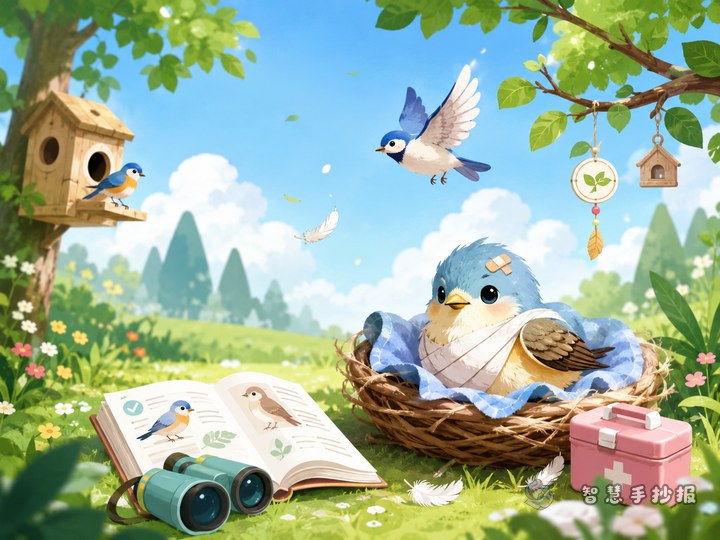
You can add a small safety box: if a bird hits a window, do not crowd around it, shout, or touch it casually. Keep the area quiet and observe from a distance. If the bird is clearly injured, ask an adult for help and seek proper wildlife rescue guidance.
This kind of reminder shows care, but it should stay simple and safe for student readers.
Layout Ideas That Make the Poster Look Lively
Instead of a standard knowledge-only layout, you can divide the page into four creative sections: window mystery, why it happens, how to prevent it, and our bird-friendly promise.
- Use window-frame shapes to organize text blocks.
- Draw flying birds, leaves, clouds, and soft sunlight around the borders.
- Highlight action phrases such as “see clearly,” “reduce reflection,” and “protect wild birds.”
If you want to continue arranging the layout, polishing titles, and matching decorative elements, you can also enter the WeChat mini program of Smart Handwritten Newspaper for further creation.