Why This Topic Matters
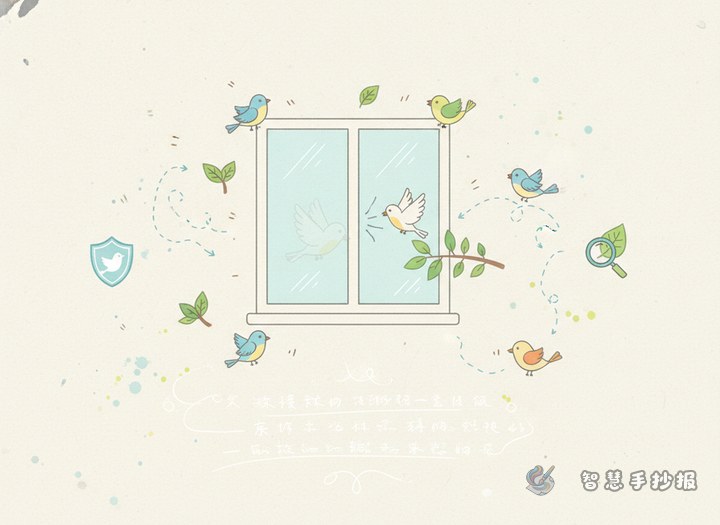
A handwritten newspaper about birds hitting windows connects bird protection with everyday life. Students often see classroom windows, corridor glass, bus-stop panels, or home balconies, so this topic feels real and useful.
Simple Science to Write
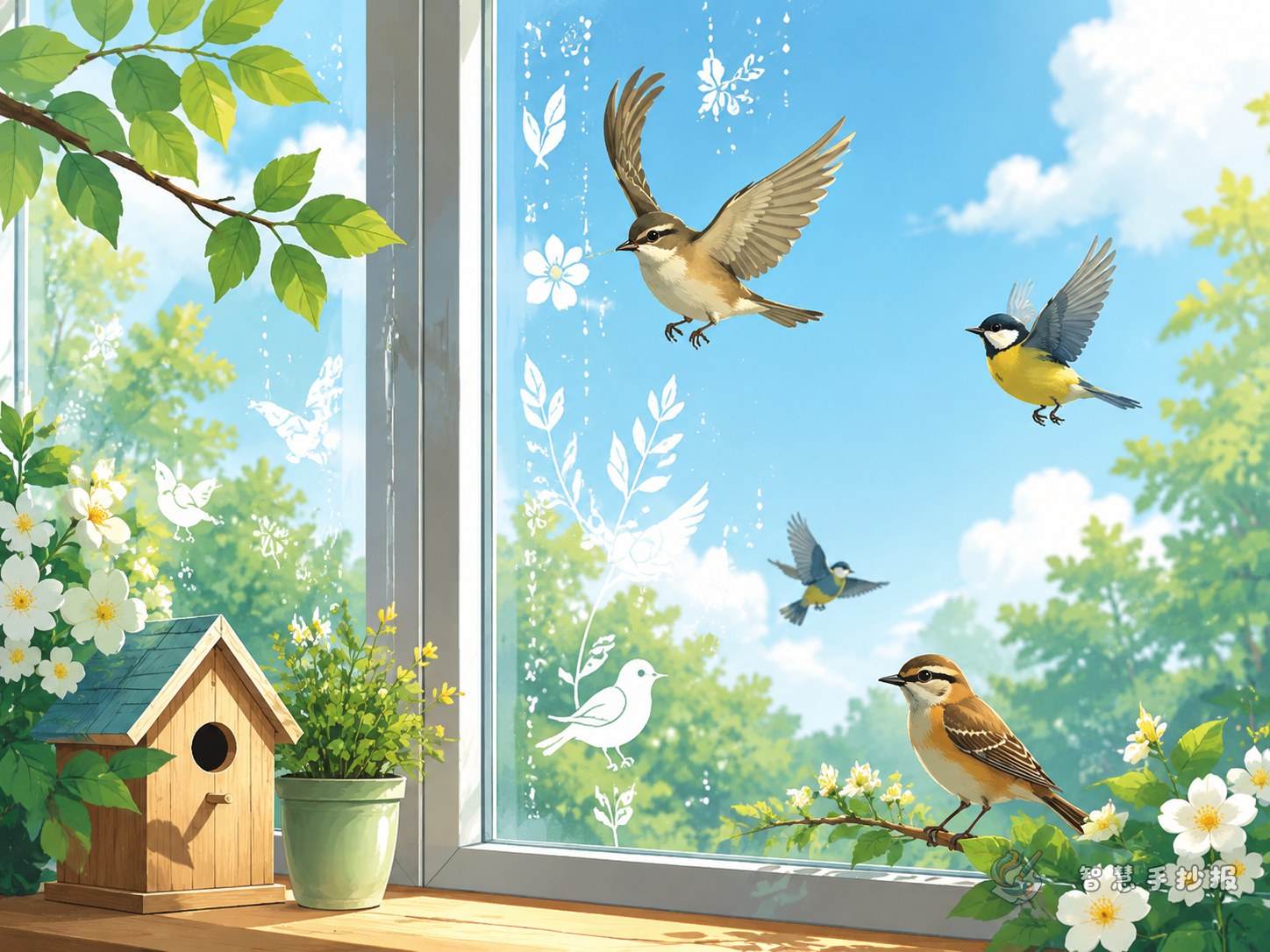
Reflections can fool birds
When glass reflects trees, clouds, or blue sky, birds may believe they are flying into open space.
Transparent glass can be confusing
If birds can see light or plants on the other side, they may think there is a safe path ahead.
Night lights also matter
Bright lights at night may attract or confuse some birds, especially during movement and seasonal travel.
Sections You Can Add
- Cause Corner: Why birds cannot always recognize glass.
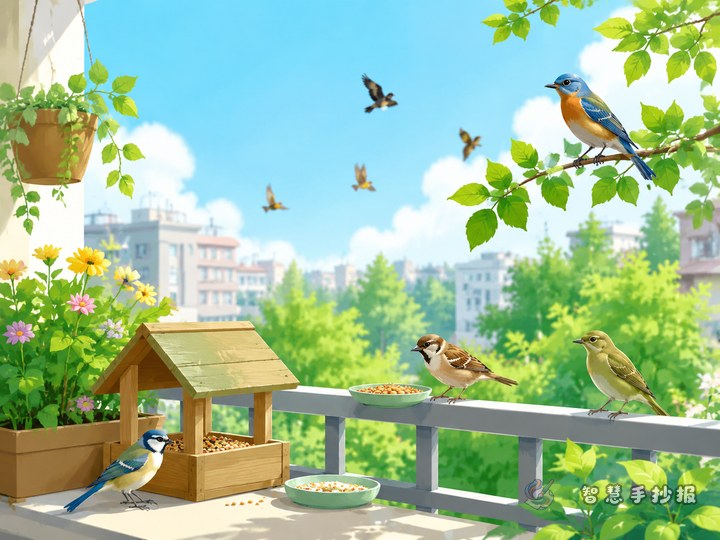
- Protection Ideas: Small actions at home and school.
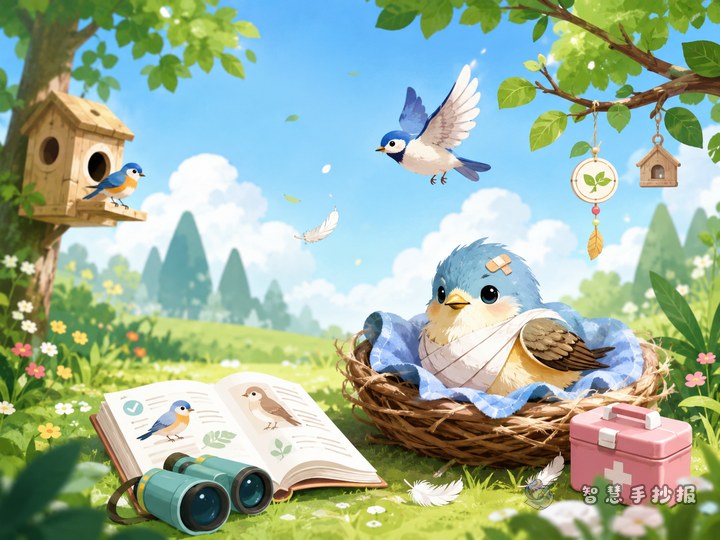
- Safety Reminder: What to do after a collision.
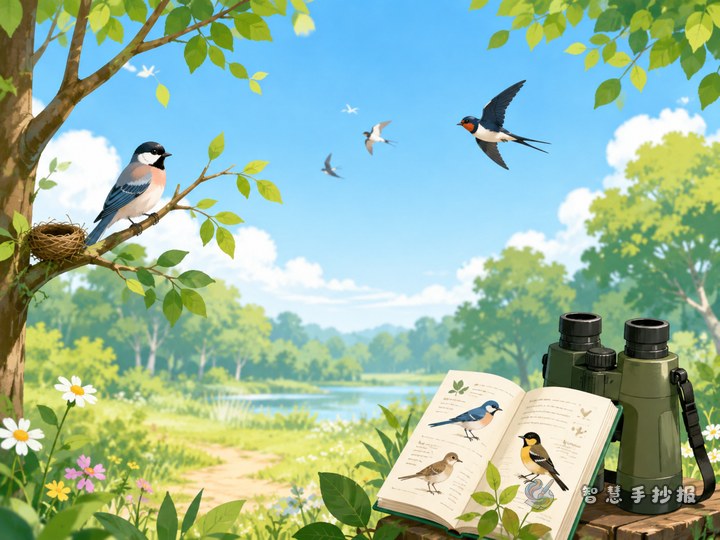
- Observation Notes: Record where glass is most risky.
Useful Text Materials
- Glass is common in human spaces, but birds do not always understand it.
- A window can look like sky, trees, or a clear tunnel.
- Visible patterns on glass can help birds notice the barrier.
- Protecting birds starts with careful observation and simple changes.
- Bird-friendly spaces are safer for wildlife and kinder for nature.
Layout Ideas
You can divide the page into three parts: Why collisions happen, How to prevent them, and What to do if you find a bird. Use small bullet lists instead of long paragraphs. Add a title area with leaves, windows, and bird silhouettes for a clear theme.
Making It More Practical
To make the handwritten newspaper more complete, students can add a mini checklist such as: close curtains when reflections are strong, place bird-safe patterns on large windows, and remind others not to chase tired birds. If you want to continue organizing the layout and polishing the page, you can also enter the WeChat mini program of Zhihui Shouchaobao for further creation.