Start with the right angle: show culture, not just dishes
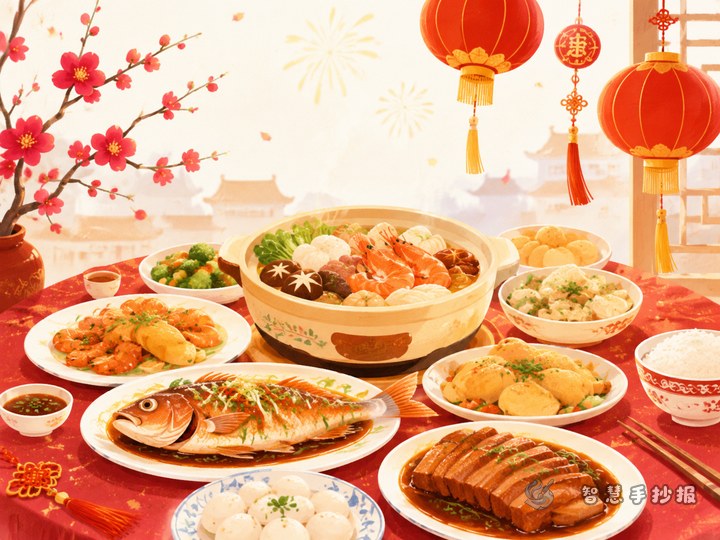
When making a handwritten newspaper about traditional Chinese food culture, the eight great cuisines of China are a practical and meaningful topic. This theme lets students introduce famous dishes while also showing the cultural side of regional cooking. A clear title such as “How to Make a Handwritten Newspaper About China’s Eight Great Cuisines” works well for school display and easy reading.
Build the main content around region, flavor, and signature dishes
A simple structure is to present each cuisine with its location, flavor style, and one or two representative dishes. This keeps the page organized and easy to understand.
- Shandong Cuisine: known for fresh and savory flavors; examples include sweet and sour carp.
- Sichuan Cuisine: famous for bold and layered flavors, especially spicy and numbing tastes; examples include mapo tofu and kung pao chicken.
- Cantonese Cuisine: values freshness and the original taste of ingredients; examples include roast goose and white cut chicken.
- Jiangsu Cuisine: delicate knife work and light, slightly sweet taste; a famous dish is squirrel-shaped mandarin fish.
- Zhejiang Cuisine: fresh, tender, and elegant; examples include West Lake fish in vinegar gravy.
- Fujian Cuisine: known for soups and rich aroma; a classic example is Buddha Jumps Over the Wall.
- Hunan Cuisine: spicy, rich, and flavorful; an example is steamed fish head with chopped chili.
- Anhui Cuisine: strong in braising and stewing, often with deep color and rich flavor; examples include fermented mandarin fish.
If space is limited, shorten each cuisine into one sentence and use small decorative frames to separate them.
Useful text materials for students to copy
Opening paragraph
China has a vast land, different climates, and varied local products. Over time, these differences helped form the eight great cuisines, each with its own flavor and cooking style. They reflect not only culinary skills but also regional culture and daily life.
Theme sentence
Different lands create different tastes, and different tastes carry different traditions. Learning about the eight great cuisines is one way to appreciate the richness of Chinese food culture.
Ending paragraph
From home-style meals to famous banquet dishes, traditional Chinese food shows the meaning of labor, sharing, and family reunion. A handwritten newspaper can help us explore this culture in a lively and creative way.
Try a map-style layout instead of equal boxes
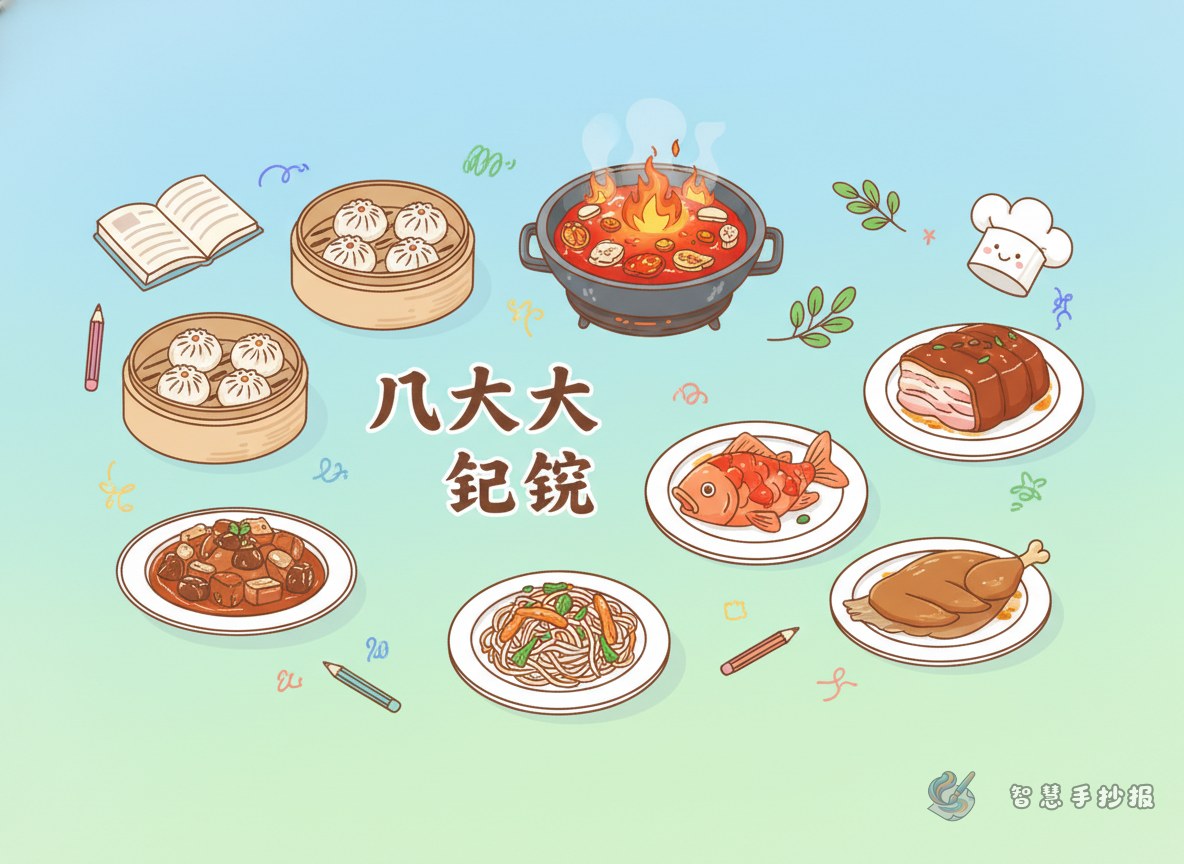
This topic works best when the sections are visually clear. Place the title at the top center, use a short introduction in the middle, and arrange cuisine blocks around it. You can also borrow the idea of a China map by placing northern and southern cuisines in different parts of the page to create a stronger reading flow.
- Write the main title in large letters at the top.
- Add a central introduction as the visual anchor.
- Divide the page into eight small sections for the cuisines.
- Create a small corner box called “The dish I want to try most” for a personal touch.
Warm colors such as red, orange, and beige match the traditional food theme very well.
Small details that make the poster better
Do not turn the whole page into a simple list of dish names. A better handwritten newspaper combines flavor features, regional culture, and representative foods. Keep sentences short, make section titles slightly larger, and bold the cuisine names so the page looks clearer and more polished.
If you want to keep improving the layout, adjust sections, or find more ready-to-use ideas, you can continue in the Smart Handwritten Newspaper WeChat mini program.