Choose a smaller angle for a better page
“Traditional Chinese pastries” is a broad topic, so it helps to narrow the theme. You can focus on festival pastries, famous pastries from different regions, or snacks with lucky meanings. A smaller theme makes the content easier to organize and the page easier to design. Titles like “The Taste of Traditional Pastries” or “Chinese Culture in Sweet Bites” work well for student projects.
What content fits best on the page
Classic pastry introductions
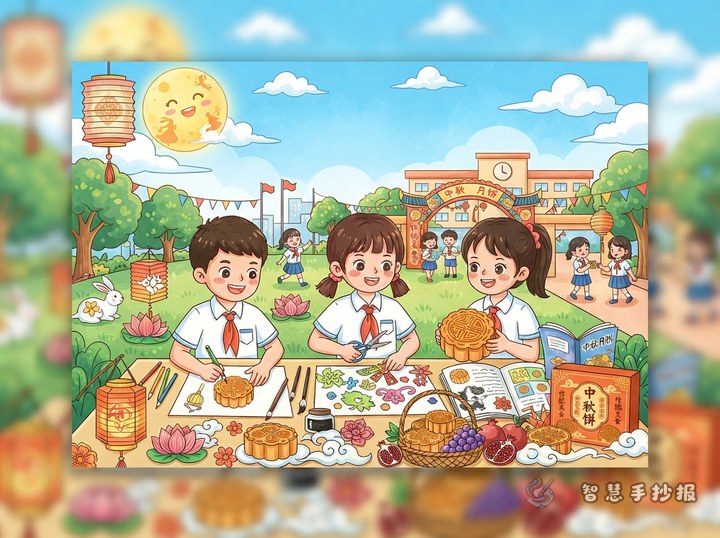
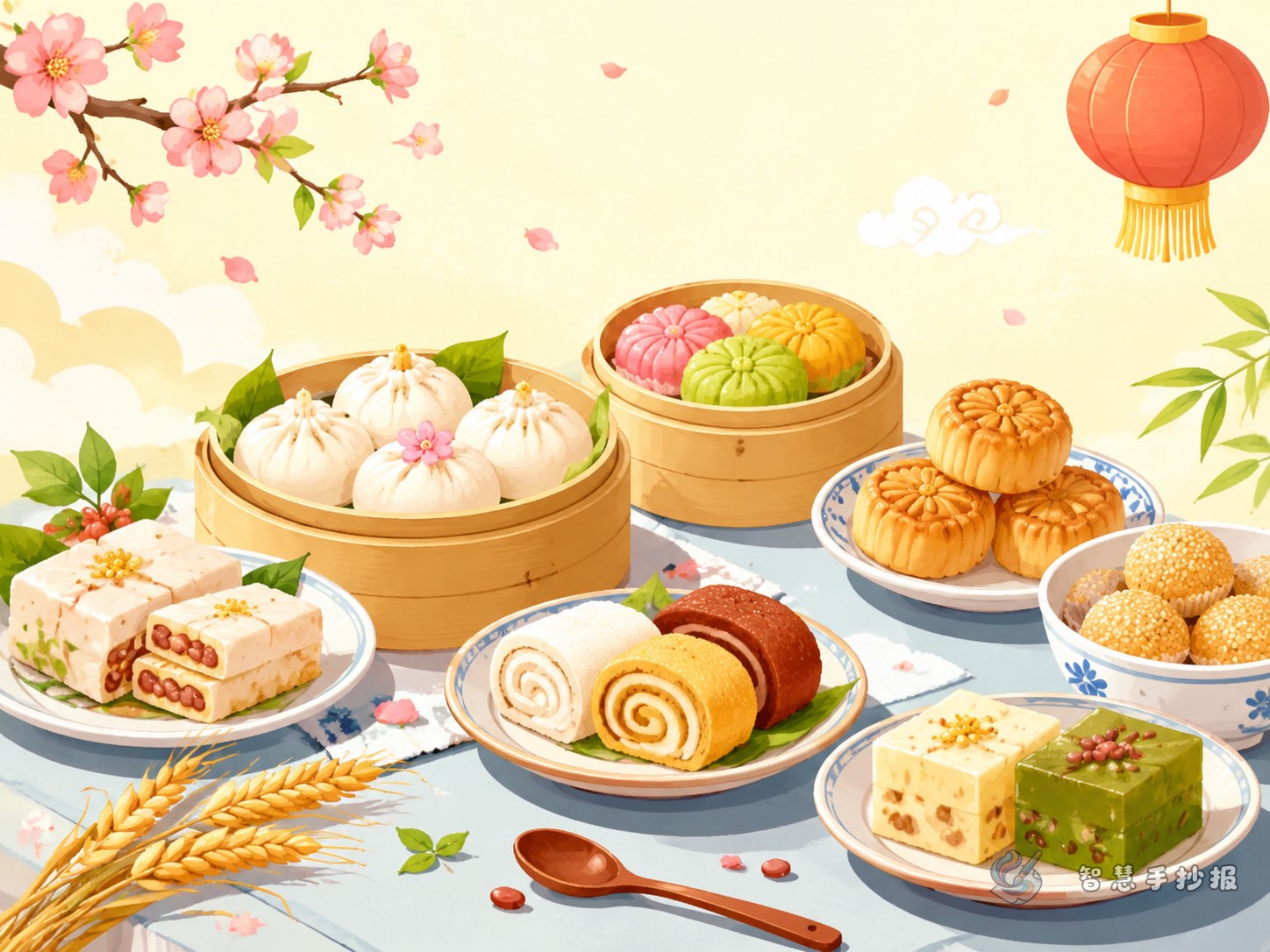
- Mooncake: often eaten during the Mid-Autumn Festival and symbolizes reunion.
- Tangyuan: common during the Lantern Festival and represents togetherness.
- Mung Bean Cake: light and delicate, often seen in traditional snacks.
- Osmanthus Cake: floral and elegant, showing the refined side of Chinese desserts.
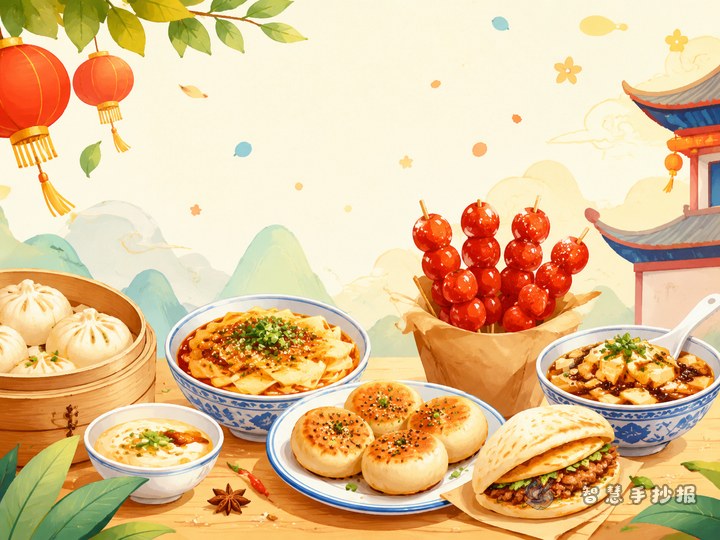
- Mahua: crispy and twisted, popular in many places.
Cultural meaning section
Traditional pastries are more than food. They often carry wishes for reunion, peace, sweetness, and happiness. You can explain in a few sentences why people eat each pastry during a special time and what good meaning it brings.
Simple ingredient notes
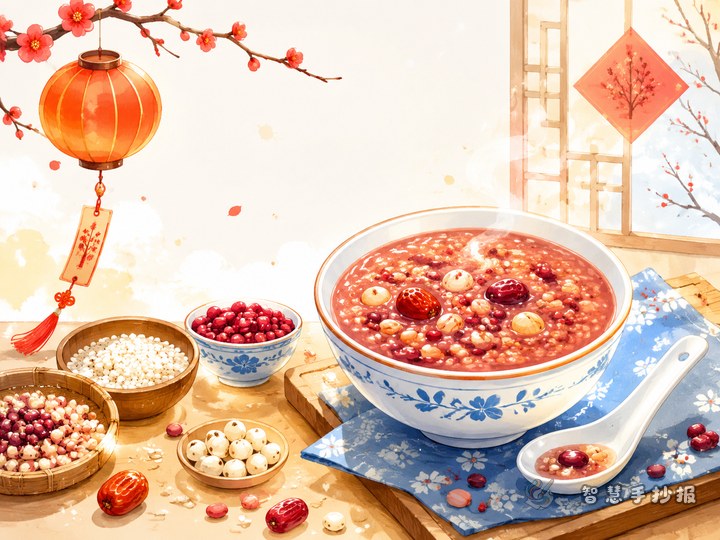
It is also helpful to mention common ingredients such as glutinous rice, flour, red bean paste, sesame, jujube, peanuts, and osmanthus. This shows the connection between food, seasons, and everyday life.
Ready-to-use writing material
Traditional Chinese pastries are a gentle and beautiful part of food culture. Though small in size, they often carry memories of family, festivals, and warm wishes. From mooncakes and tangyuan to osmanthus cake and mahua, each snack reflects daily wisdom and traditional customs. A handwritten newspaper on this topic helps students learn both food knowledge and cultural meaning.
Pastries may be small, but their stories are rich. They are valued not only for taste, color, and fragrance, but also for lucky names, beautiful shapes, and seasonal traditions. By organizing these details into a page, students can discover that traditional culture is closely connected to everyday life.
Try a “gift box of pastries” layout
This topic works very well with a warm and refined design. Imagine the whole page as an opened pastry gift box, then divide it into smaller areas:
- Place the main title in the center.
- Use the top left for “Festival Pastries.”
- Use the top right for “Pastry Facts.”
- Use the bottom area for “My Favorite Traditional Treat.”
- Decorate the corners with steamers, teapots, fans, and floral patterns.
For colors, try cream, pale yellow, soft red, and green. Leave some blank space between sections so the page looks clear and pleasant.
Small ideas to make the page more lively
- Draw a small icon next to each pastry, such as a moon, flower, bowl, or bamboo steamer.
- Add words like “sweet,” “fragrant,” “reunion,” and “craftsmanship” to the title area.
- Keep the text short and readable instead of filling every space.
- Create a tiny section called “A pastry I want to taste” to make the project more personal.
If you already have your topic and sections in mind and want to keep improving the layout, text, and colors, you can continue your design in the Zhihui Shouchaobao WeChat mini program.