A focused topic makes the poster easier to design
If you want a food culture handcopy poster that is clear and engaging, choose famous traditional Chinese snacks as your main theme. Compared with writing about Chinese food in general, this topic is easier to organize because each snack can become one small section with its own short introduction and decorations.
Your title can be something like “A Tour of Traditional Chinese Snacks” or “Tastes of China on My Poster.” This sounds natural and is easy for students to expand.
What snack sections can be included
You do not need too many examples. Pick four to six snacks from different regions so the poster feels balanced and colorful.
- Beijing-style snacks: write about strong local flavor and traditional northern food culture.
- Tianjin breakfast snacks: mention convenience and street breakfast habits.
- Xi’an roujiamo or liangpi: show bold northwestern taste and texture.
- Wuhan hot dry noodles: talk about local breakfast traditions.
- Cantonese rice noodle rolls: describe the soft texture and light southern flavor.
- Sichuan dan dan noodles: explain the spicy and fragrant taste of Sichuan cuisine.
Each section can include the snack name, where it comes from, what it tastes like, and why you want to recommend it.
Add food culture, not just food names
A good handcopy poster should include cultural meaning as well. You can write about several simple ideas:
- The link between local climate and staple foods, such as wheat in the north and rice in the south.
- The connection between snacks and daily life, such as breakfast culture, markets, and street food traditions.
- Traditional handcraft methods like steaming, boiling, frying, or kneading dough.
- Healthy eating ideas, such as balanced meals and avoiding food waste.
You can also add one concluding sentence: Traditional snacks are not only delicious, but also part of the memory and lifestyle of different regions in China.
Layout ideas for a better-looking poster
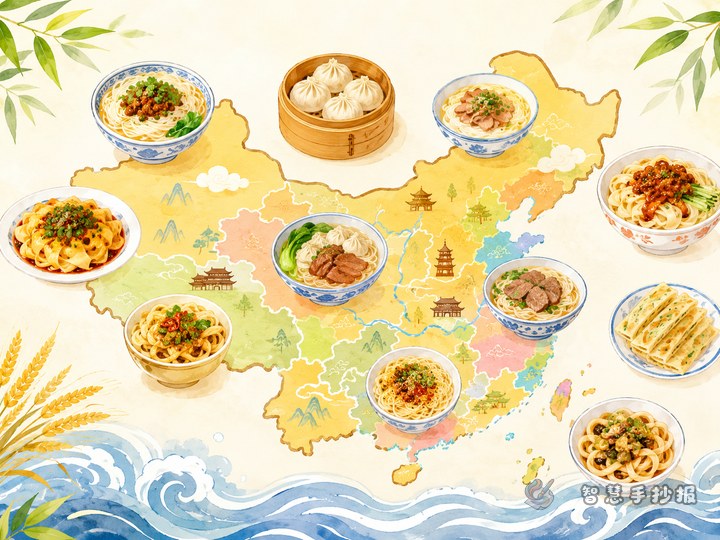
This theme works well with a map layout or a set of neat food cards.
- Map layout: put the main title in the middle and place snack introductions around it by region.
- Card layout: give each snack its own small box with the same structure for a clean look.
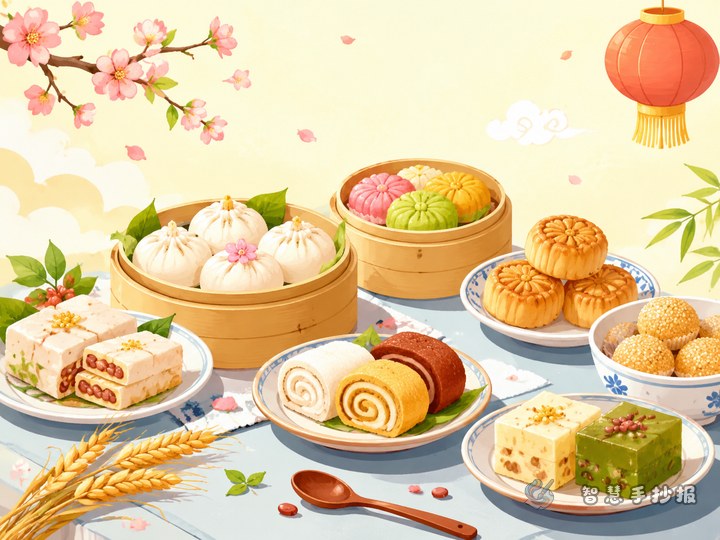
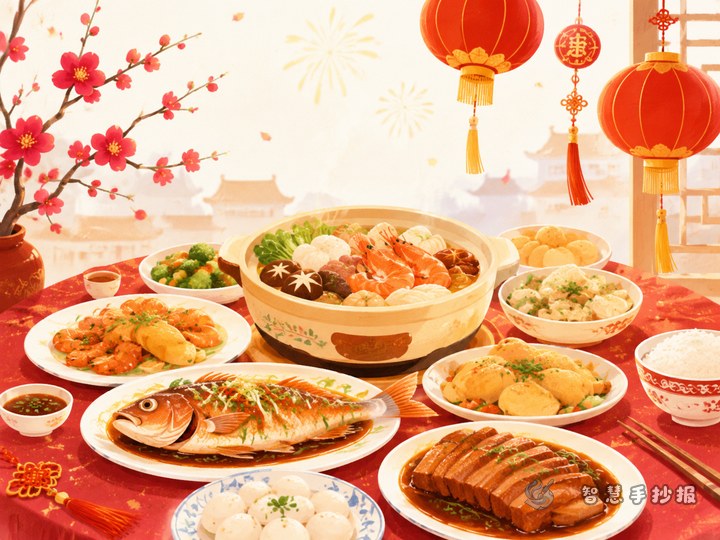
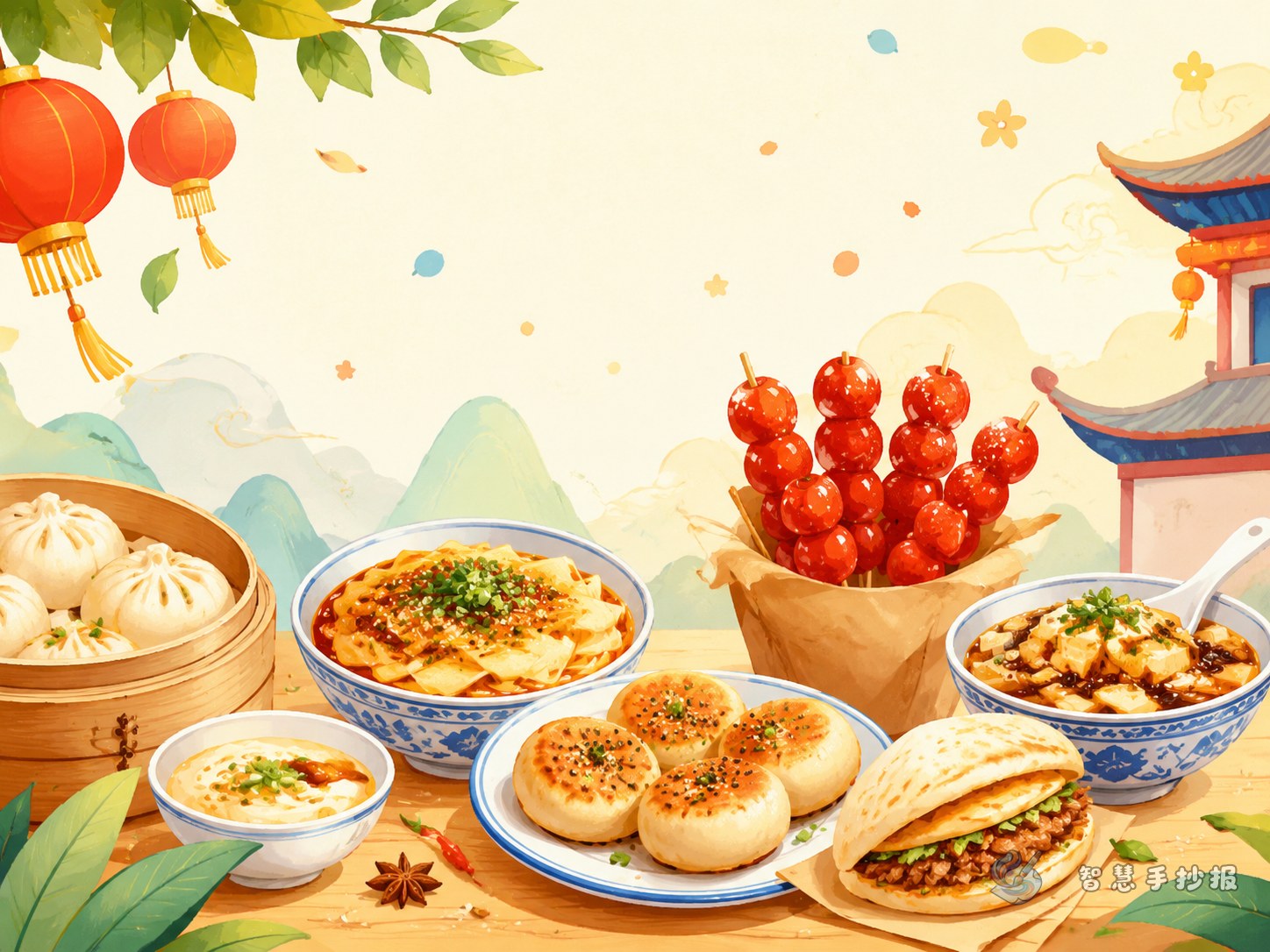
- Table layout: arrange the snack sections like dishes on a table for a fun visual effect.
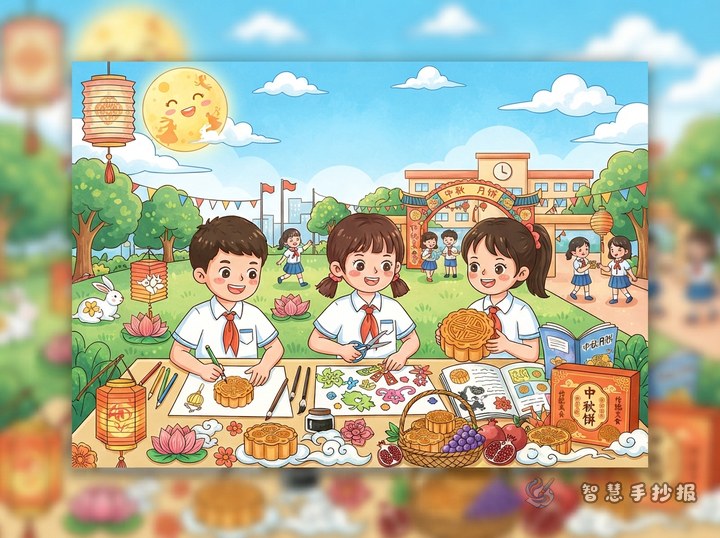
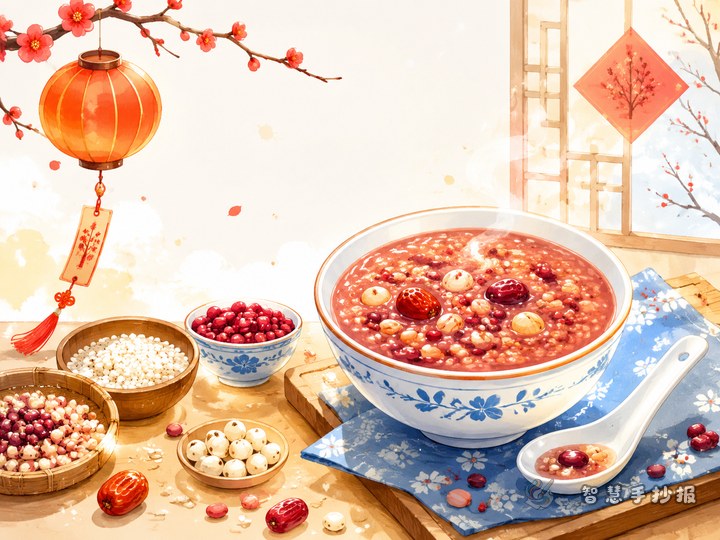
Good decorative elements include bowls, chopsticks, steamers, wheat, lanterns, and traditional cloud patterns. Warm colors like orange, red, and cream can make the page feel friendly and appetizing.
A simple ending to complete the poster
End your poster with ideas about inheritance and appreciation. Traditional Chinese snacks are an important part of food culture. Learning about them means learning about local life, customs, and history through everyday taste.
If you already have your title and section ideas and want to continue arranging your poster more easily, you can explore more design help in the Zhihui Shouchaobao WeChat mini program.