Why eye-friendly food is a good topic for a handwritten newspaper
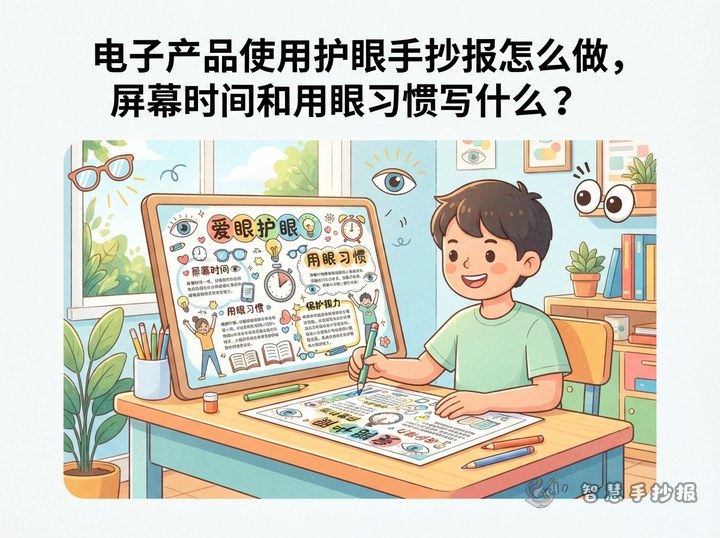
Eyes need nutrients, and nutrients come from everyday meals, so this topic feels close to a child's daily life. You do not need complicated medical facts. If the page explains which foods support eye health and how to eat a balanced diet, with a few simple drawings, it is already a complete handwritten newspaper.
Nutrition points you can write in short, copy-ready lines
1. Vitamin A and carotenoids
Carrots, pumpkin, sweet potato, and dark leafy greens contain carotenoids that the body can turn into vitamin A. A short line to copy: "Yellow and dark green vegetables are colors your eyes like."
2. Lutein and zeaxanthin
These are often mentioned with spinach, corn, egg yolk, and broccoli. Try: "Leafy greens and corn help protect your eyes from harsh light."
3. Anthocyanins and vitamin C
Blueberries, purple cabbage, purple grapes, oranges, and kiwi work well here. Short line: "Purple and orange fruits help tired eyes feel better."
4. Protein and calcium
Eggs, milk, soy foods, and fish provide protein and calcium. Short line: "An egg and a glass of milk a day help your eyes eat well too."
If there is still space, add one overall reminder: Eating a variety of foods matters more than eating only one "eye food."
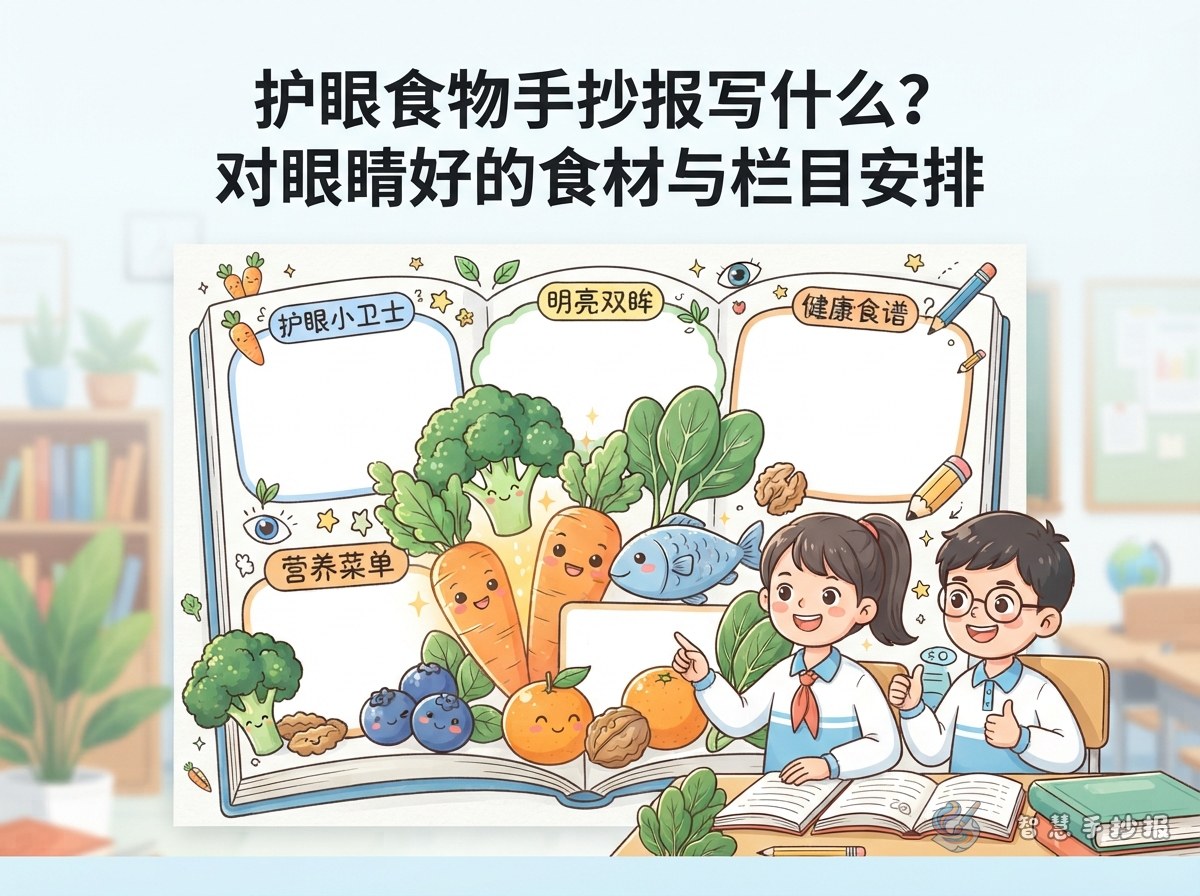
Four sections that fill the page without crowding it
- Main title area: Place it at the top or in the center, for example "Eat Well, See Well" or "Eye-Friendly Food News." Leave a little space around the letters.
- Food profile cards: Use three or four small boxes. Write one food and one short note in each, such as "Carrots: contain carotenoids that help eyes adjust in dim light."
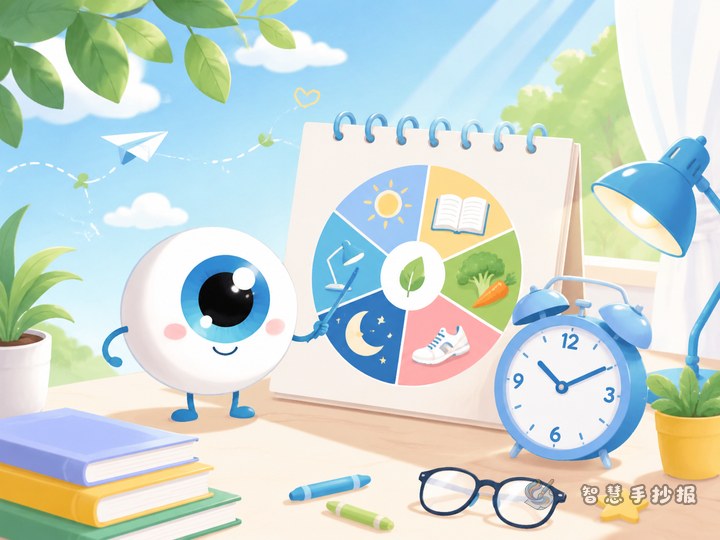
- One-day eye-friendly menu: Draw a timeline or a plate. List breakfast, lunch, dinner, and a snack, with two or three foods for each meal.
- Daily reminders: Use sticky-note or speech-bubble shapes for tips like "Eat fewer sweets," "Don't be a picky eater," or "Don't read while eating."
Colors and drawings that keep the page tidy
- Use light green, light blue, and orange as the main colors to echo fruits and vegetables.
- Shape borders like plates, leaves, or eye outlines. Keep them simple instead of drawing every box in detail.
- Make the title larger and the body text smaller, with enough space between lines.
- Draw only a few items: a carrot, blueberries, an egg, a glass of milk, and a pair of eyes.
Extra mini sections kids enjoy adding
To make the page more interesting, add a small corner section called "An eye-friendly dish in my home" and let the child write about a family dish. Or make a "One-week eye-friendly food check-off chart" with seven boxes, and tick one food each day. You can also write two or three mini questions, such as "Why are carrots orange?" or "Where does the color of blueberries come from?" and hide the answers at the bottom of the page.
Finish the layout in the ZhiHui Handwritten Newspaper mini program
If you want to change borders, fonts, or section sizes, open the ZhiHui Handwritten Newspaper WeChat mini program and look for the eye care theme. Choose a layout you like, place your text into the sections, and then print it or copy it by hand. It saves a lot of time compared with starting from a blank sheet.