Use a Color System Children Can Understand
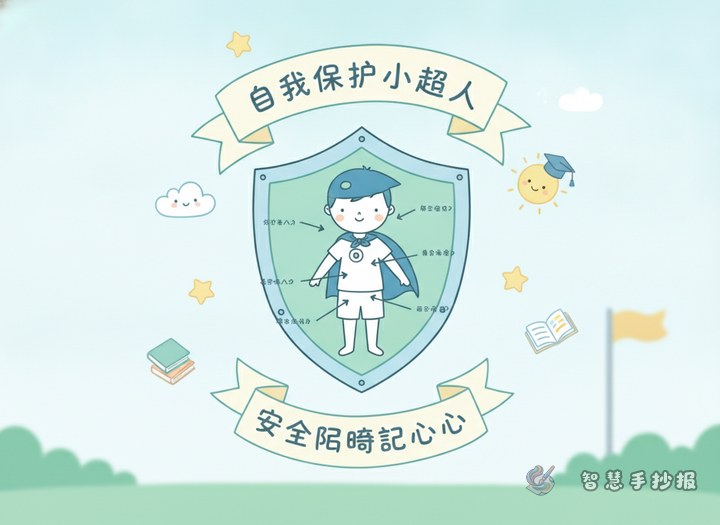
A body safety zones poster works well because colors make safety rules easier to remember. You can divide the page into green, yellow, and red areas and explain each one with short examples.
- Green zone: normal, respectful daily contact that feels safe and comfortable.
- Yellow zone: situations that feel strange, secretive, or uncomfortable and need caution.
- Red zone: behavior that must be refused immediately, followed by leaving and telling a trusted adult.
Short Text Materials That Fit the Theme
Keep the writing brief so the handwritten newspaper stays clear. Good lines include:
- My body belongs to me.
- If I feel uncomfortable, I can say no.
- I do not keep unsafe secrets.
- I can leave quickly and ask for help.
- I will tell a trusted adult right away.
Useful Sections to Add on the Page
1. Color-zone explanation
Use one small paragraph for each zone and match it with simple icons or colored labels.
2. Refusal phrases
Examples: “No, I don’t like that.” “Please stop.” “I am leaving now.”
3. Protection steps
- Notice the uncomfortable feeling.
- Say no clearly.
- Leave the place quickly.
- Find a trusted adult.
- Keep asking for help until someone listens.
4. Trusted-help list
Students can write: parents, grandparents, teacher, class adviser, school counselor, police officer.
Layout Ideas for a Clear Poster
You can place a big title in the center top, then use left-right blocks or a circular color-zone design. A good method is to put the red, yellow, and green zones in the middle and surround them with action tips and help phrases. Use larger text for key safety sentences so readers can remember them at a glance.
Make the Tone Protective, Not Scary
This kind of poster should help children build awareness and confidence. Avoid writing frightening details. Instead, focus on boundaries, speaking up, and getting support. If you want a neater final result, you can continue editing the handwritten newspaper in the WeChat mini program with clearer sections and color matching.