Start with a clear theme: turn “Say No Bravely” into real actions
This type of handwritten newspaper works best when it focuses on recognizing unsafe behavior, refusing clearly, and asking for help in time. The title should show that the project is about self-protection and personal boundaries, not fear. A simple opening line can explain that everyone deserves respect for their body and feelings, and children should speak up when something feels wrong.
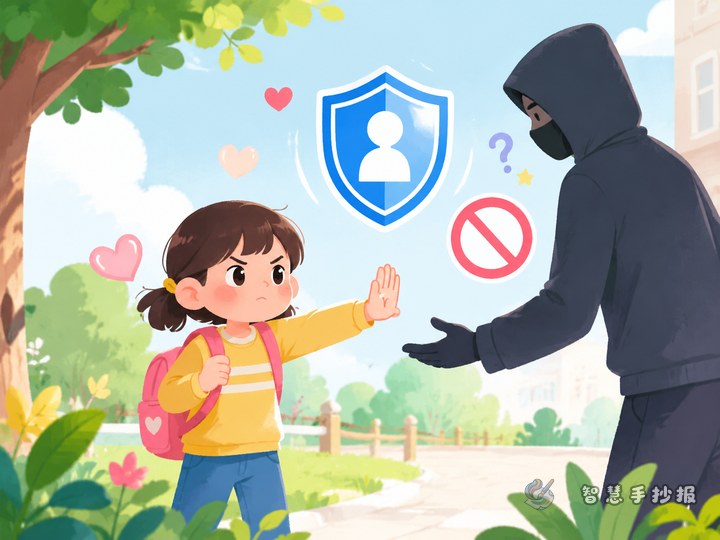
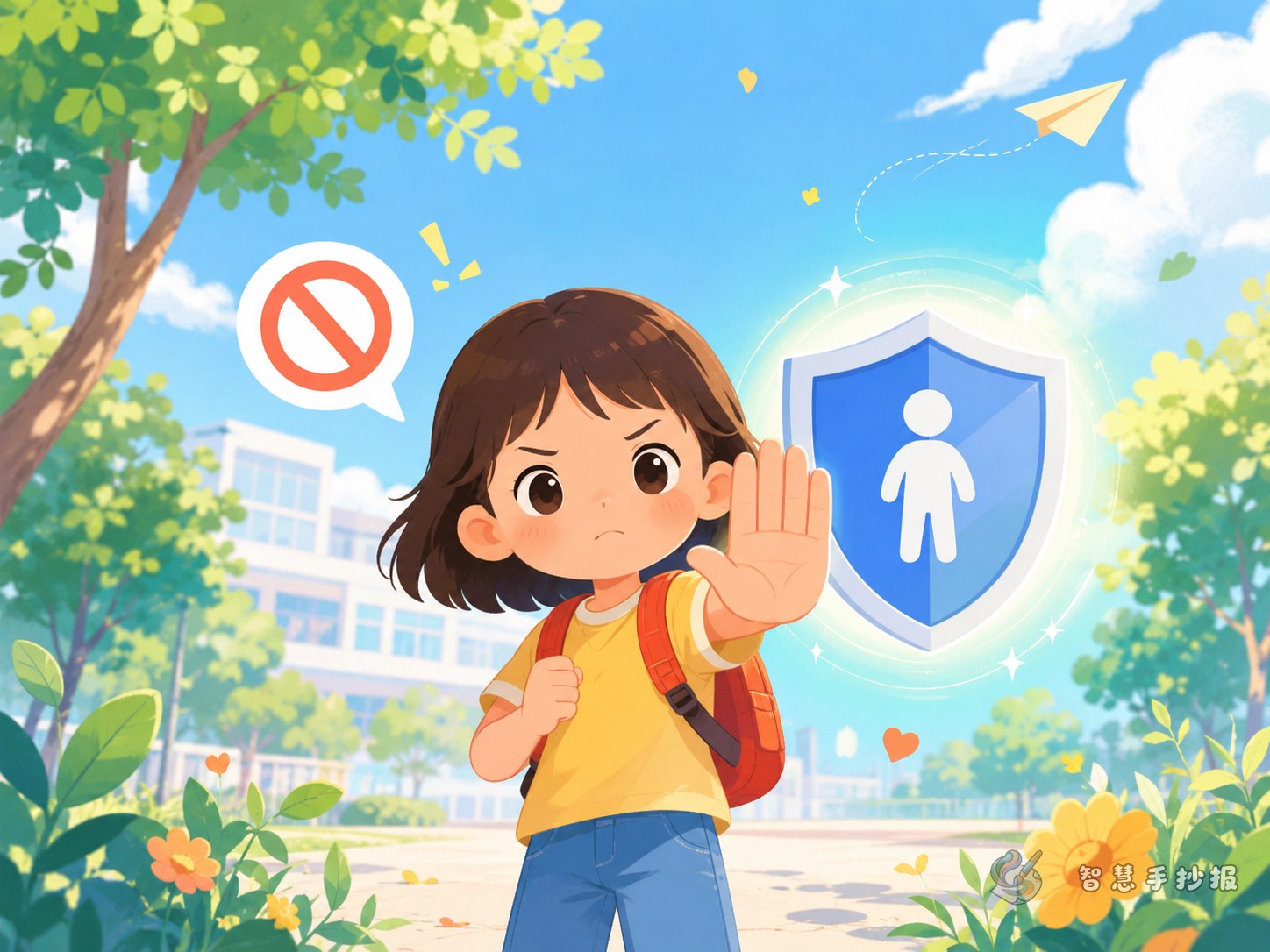
You can begin with a short introduction such as: Everyone has personal boundaries. If a behavior makes me feel scared, embarrassed, or uncomfortable, I can say no, leave quickly, and tell a trusted adult.
Useful section ideas for the page
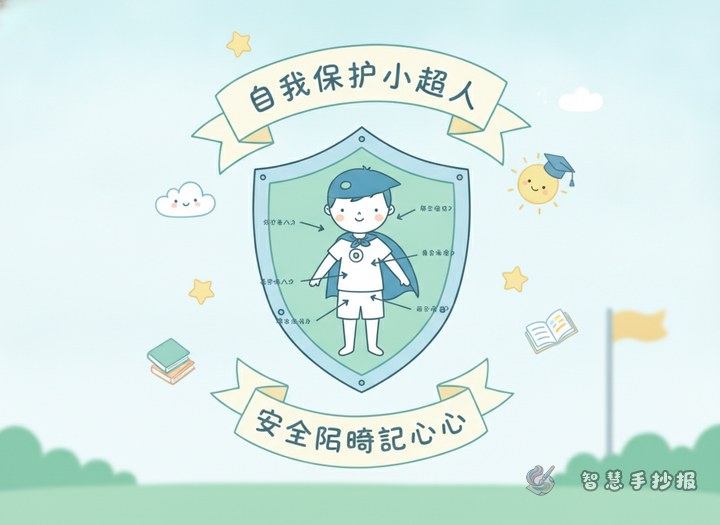
- Safety Basics: Include points like respecting body boundaries, being careful with both strangers and familiar people, and paying attention to uncomfortable feelings.
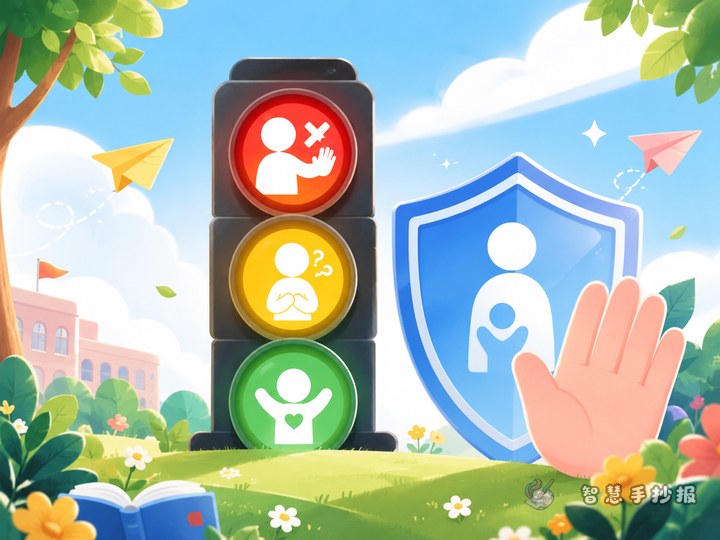
- What I Can Do: Turn the response into four simple steps: say no, leave, ask for help, and remember key details.
- Trusted Adults List: Add parents, teachers, homeroom teachers, school staff, police officers, or other reliable adults.
- Daily Safety Reminders: Include tips for elevators, the walk home, online chats, or visiting someone else’s home.
This structure keeps the page practical and student-friendly, with both knowledge and action steps.
Short text materials students can copy
Theme slogans
- Protect yourself and speak up bravely.
- My body has boundaries, and safety matters.
- If something feels wrong, tell a trusted adult.
- Do not stay silent. Asking for help is important.
Sample paragraph for the main text
If someone does something that makes me feel uncomfortable, I can say no right away, leave the place, and tell my parents or teacher. No matter who the person is, if I feel scared, nervous, or upset, I have the right to refuse. It is not my fault, and getting help is a strong and safe choice.
In daily life, I should avoid isolated or unfamiliar places when possible. I should keep a safe distance, refuse strange requests, and never hide something that makes me uneasy. Remembering family phone numbers and emergency contacts can help me get support more quickly.
Keep the layout clear, not crowded
A good design choice is a large central title with four surrounding sections. Put the theme in the middle, then place knowledge points, action steps, trusted adults, and reminders around it. This makes the reading path easy to follow.
- Use light blue, green, or warm yellow for a calm and clear look.
- Highlight key words such as “No,” “Leave,” and “Get Help” in bold.
- Keep each text block short so the page does not look too dense.
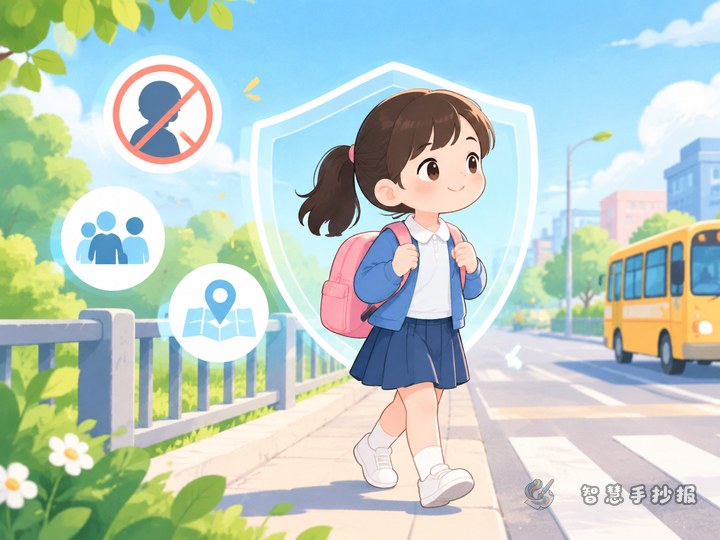
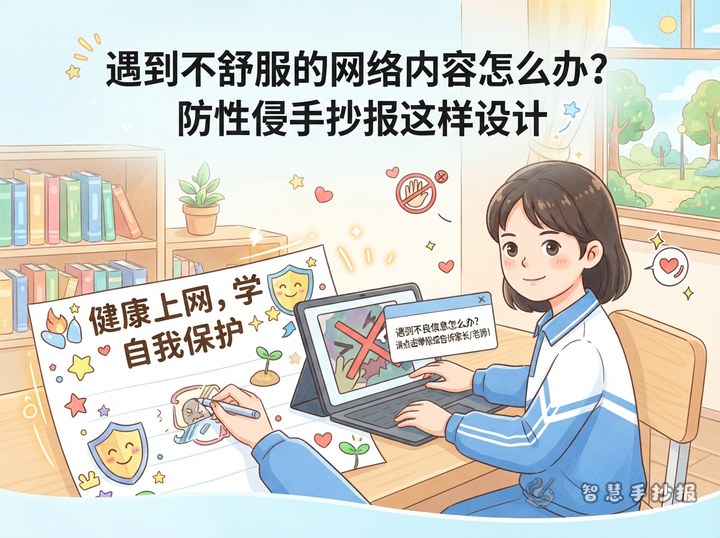
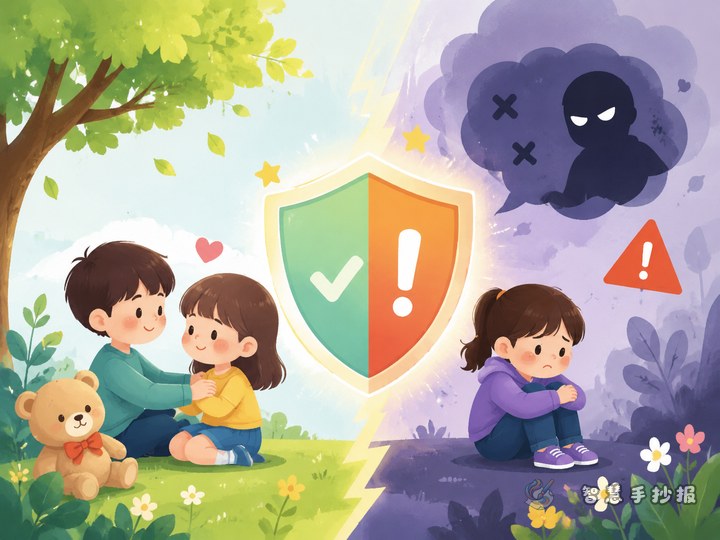
- Add simple drawings like a schoolbag, a phone, a shield, or helping hands.
A helpful reminder for parents and teachers
The wording should be accurate, gentle, and easy to understand. The purpose of this handwritten newspaper is to build boundary awareness and help-seeking habits, not to frighten children. Adults can first talk with children about what makes them feel uncomfortable and whom they can trust, then turn those ideas into short sentences for the page.
If you want to keep improving the title style, section arrangement, and color matching, you can continue creating in the Zhihui Shouchaobao WeChat mini program for a clearer handwritten newspaper plan.