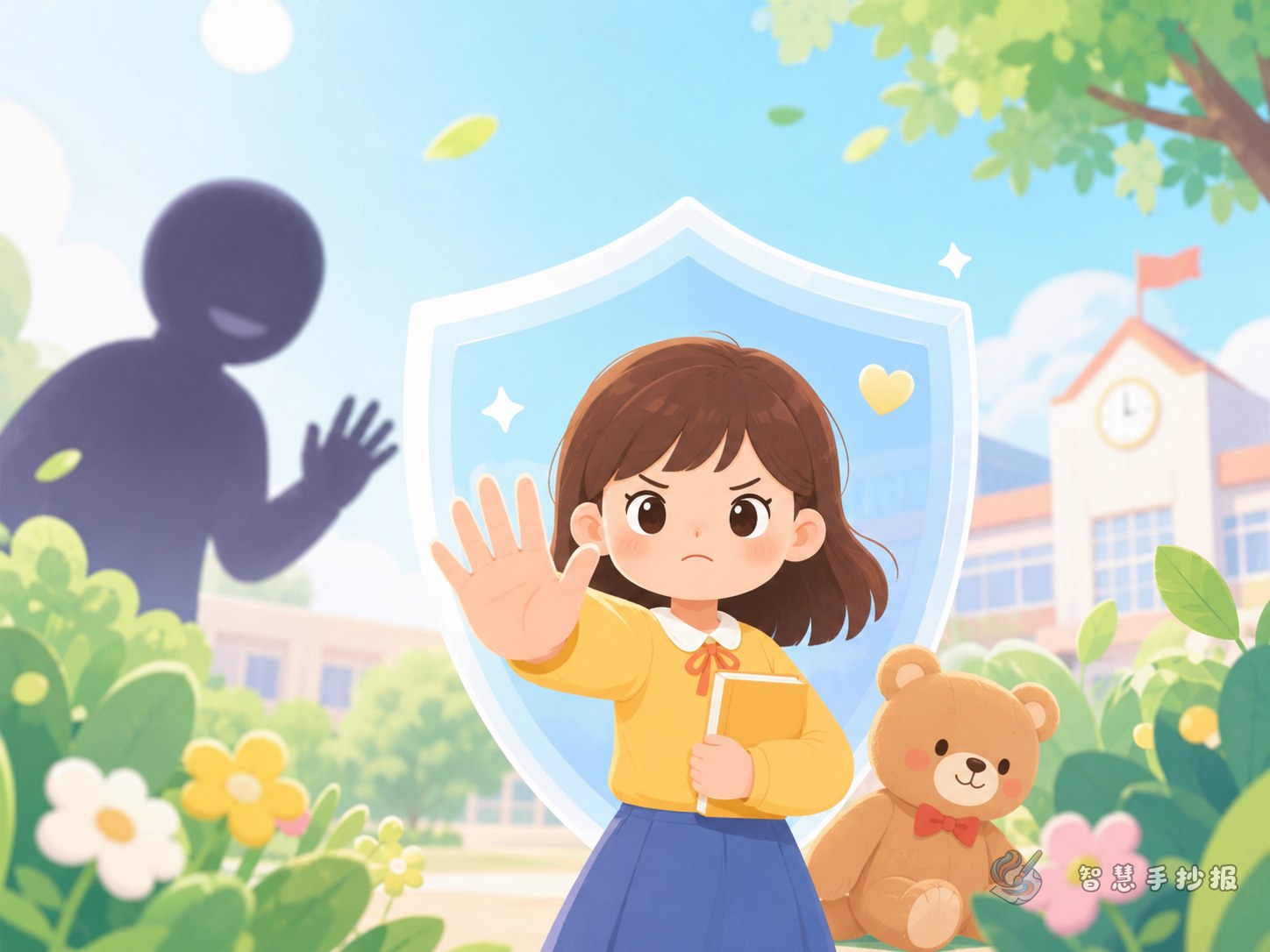
Start with a question students can truly understand
Instead of using only broad slogans, this topic works best when it centers on a real question: What should I do after uncomfortable contact? A direct title makes the handwritten newspaper easier for students to understand and more useful for teachers during safety lessons.
You can begin with a short reminder: everyone has personal body boundaries, and any contact that causes fear, embarrassment, or discomfort should be taken seriously and reported to a trusted adult.
Useful text content to place on the page
Personal boundary reminders
- My body deserves protection.
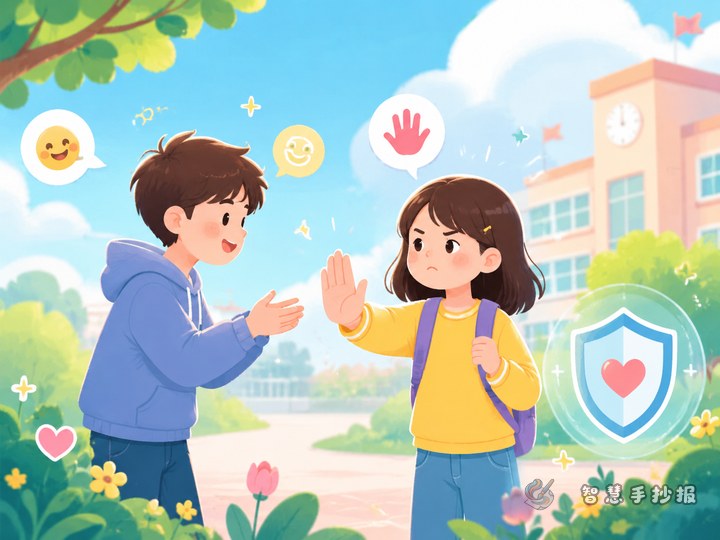
- If contact makes me uncomfortable, I can say no.
- Even familiar people must respect boundaries.
- Protecting myself is important, not rude.
What to do in the moment
- Refuse clearly: say “No” or “Please stop.”
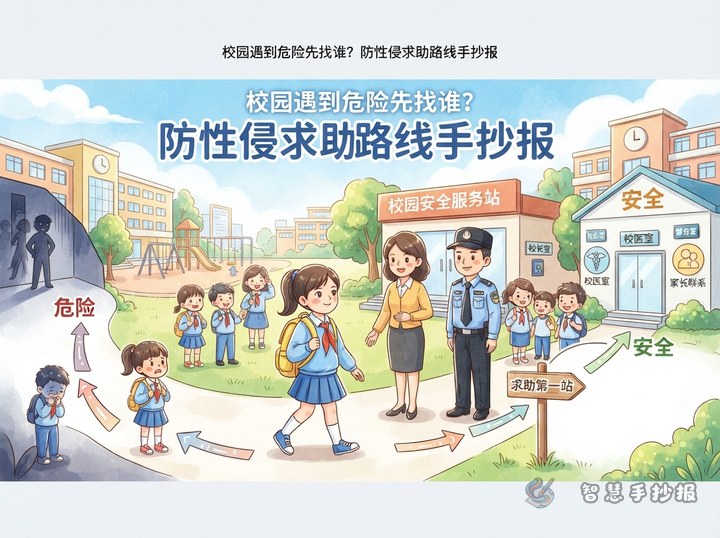
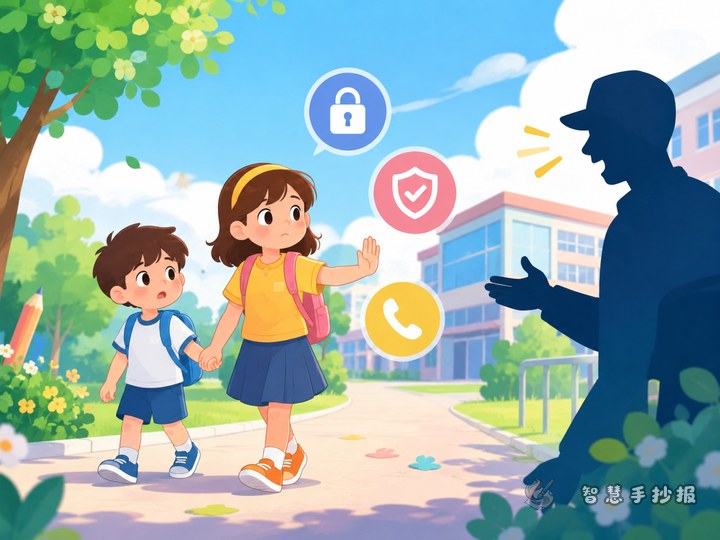
- Leave quickly: go to a bright, public place or find a teacher.
- Tell someone right away: speak to a parent, teacher, or another trusted adult.
- Remember details: time, place, and what happened can help adults respond.
Short lines that fit well in a poster
- Saying no is the first step in self-protection.
- Do not hide the problem. Ask for help in time.
- If I feel scared or uncomfortable, I can speak up.
- Harm is never the child’s fault.
Keep the sections simple and focused
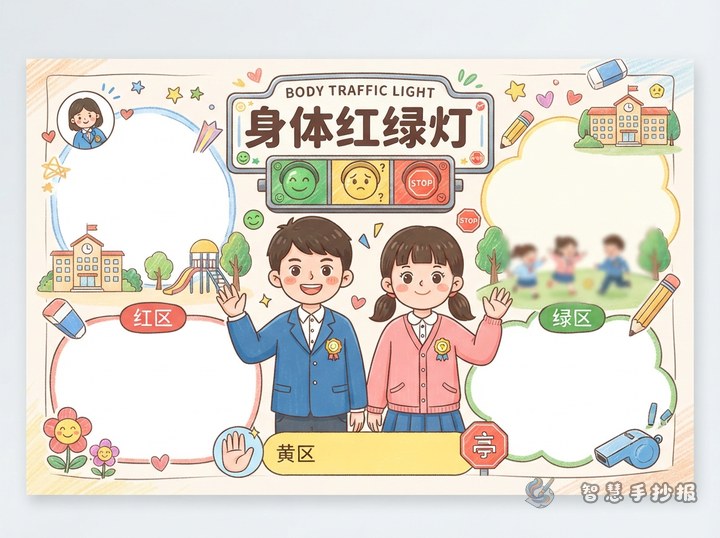
If the page space is limited, four main sections are enough.
- Section 1: Understanding My Boundaries
- Section 2: Brave Ways to Say No
- Section 3: Who Can Help Me
- Section 4: School Safety Promises
This structure gives the handwritten newspaper both clear knowledge and practical action steps without making it crowded.
Layout tips that make the message easier to remember
This topic works well with a clean and calm layout. Put the main title at the top center. Use the left side for body boundaries, the right side for refusal phrases, and the bottom area for a numbered help-seeking plan.
Blue, green, and orange are good color choices because they feel bright and school-friendly. Bold important words such as say no, leave, ask for help, tell an adult. For borders, use simple elements like books, speech bubbles, shields, or school-themed decorations.
A strong ending for the bottom of the page
The closing part can be short but memorable. You may write: protecting yourself matters; if something feels wrong, speak up in time; respect your own boundaries and the boundaries of others; when you feel afraid, do not handle it alone.
If you want to continue refining the title design, borders, and full-page arrangement, you can use Zhihui Shouchaobao on WeChat Mini Program to keep creating a clearer handwritten newspaper layout.