What the Poster Should Teach First
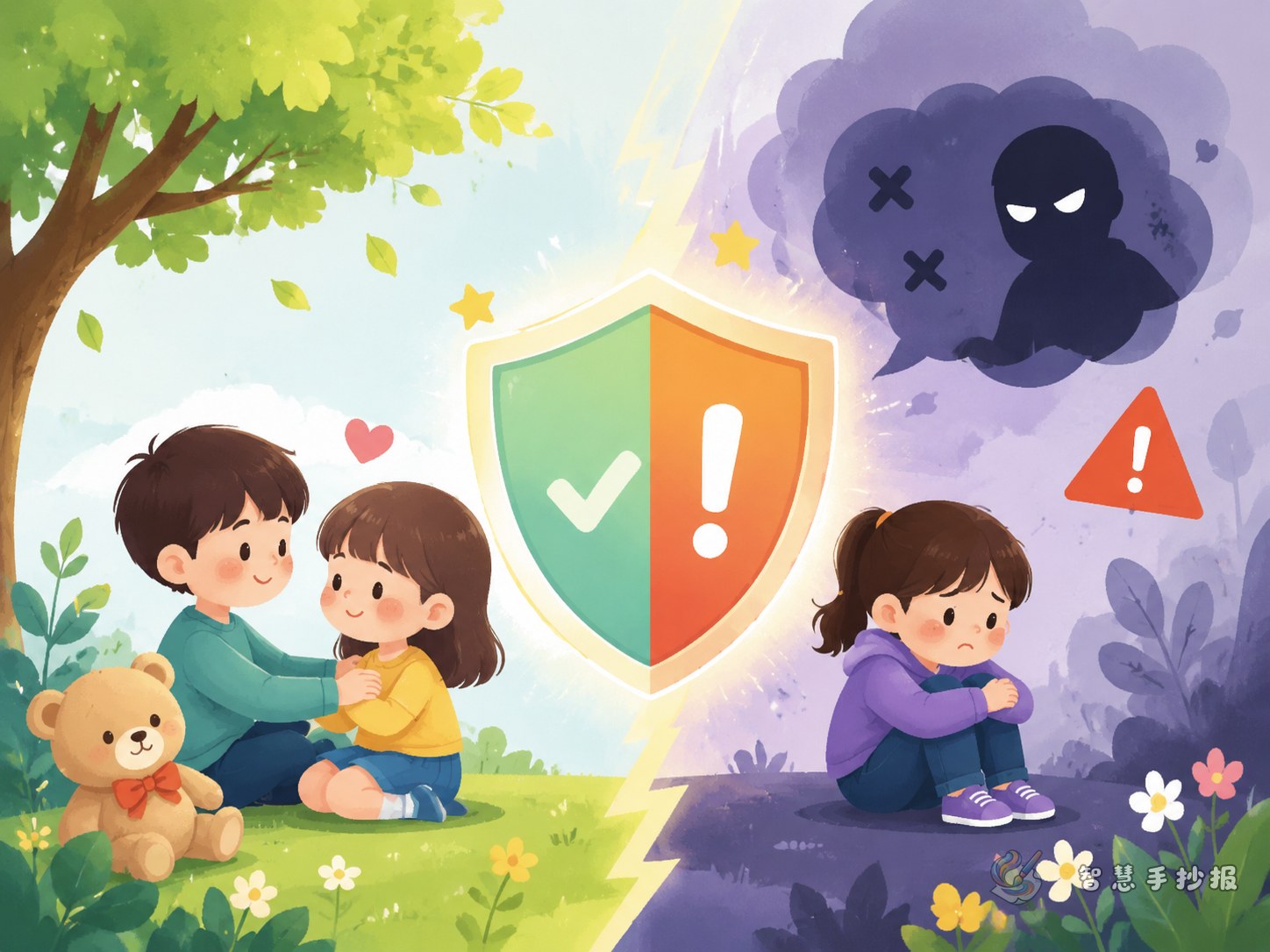
The core lesson of this handwritten newspaper is simple: not every secret is the same. Some secrets are connected to happy surprises, while some secrets make a child feel scared, uneasy, or pressured. The poster should help children understand that uncomfortable secrets should not be kept.
How to Explain Safe and Unsafe Secrets
Use child-friendly wording. A safe secret may be connected to a birthday surprise or a kind plan that will be shared soon. An unsafe secret is one that asks a child to hide something that feels wrong, frightening, or confusing from parents or teachers.
- Safe secret: brings joy and does not cause fear
- Unsafe secret: causes worry, shame, pressure, or discomfort
- Important rule: if it feels wrong, tell a trusted adult
Short Text Materials for the Page
You can write short slogan-style lines to make the message easy to remember.
- Secrets that hurt feelings should not be kept.
- If I feel scared, I can speak out right away.
- Parents, teachers, and police can help protect me.
- My safety is more important than keeping a bad secret.
Action Steps Children Can Follow
- Notice the feeling: if something feels scary or uncomfortable, take it seriously.
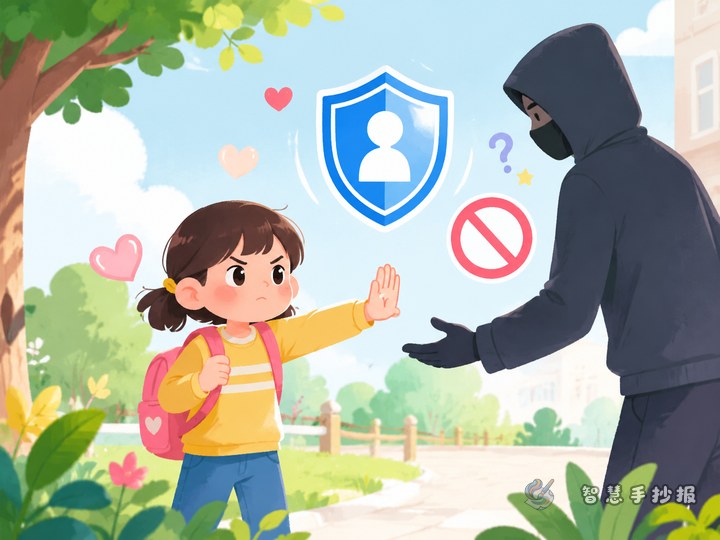
- Say no clearly and move away from the situation.
- Tell a trusted adult as soon as possible.
- If one adult does not respond in time, keep telling another trusted adult.
Layout Ideas for a Clear Poster
You can place the title in the center top, then divide the page into four parts: definitions, examples, what to do, and who can help. Use warm and calm colors such as blue, green, or orange. Keep each block short and clear so primary school readers can quickly understand the message.
If you want to continue arranging titles, colors, and handwritten newspaper sections more easily, you can also enter the WeChat mini program of Smart Handwritten Newspaper for further creation.