What to include in this poster
If you are searching for ideas for an earthquake science poster, a practical direction is understanding earthquakes, learning safe actions, and reducing risks. This makes the poster educational, clear, and easy for children to read.
You can use a title such as “Earthquake Safety for Kids,” “Learn About Earthquakes,” or “Disaster Prevention Starts With Me.” A short subtitle like “Stay calm, protect yourself, act wisely” can make the page feel complete.
Four useful sections for the layout
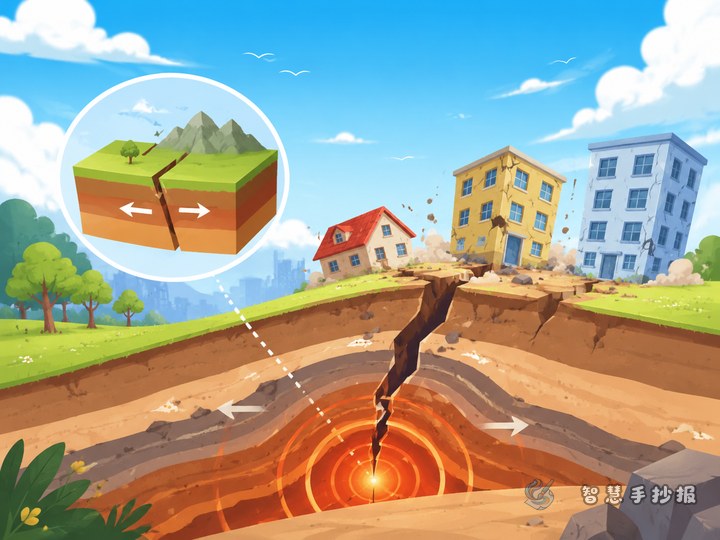
1. What is an earthquake?
Write a short explanation: an earthquake is a shaking of the ground caused by movements in the Earth’s crust. You do not need complicated science terms. The goal is to help readers quickly understand the idea.
2. Signs and awareness
You may mention that people sometimes notice shaking, moving objects, or unusual situations before or during seismic activity, but students should not treat single signs as exact predictions. A better message is to follow official information, stay calm, and avoid spreading rumors.
3. What to do during an earthquake
- Stay indoors if it is safer and move near sturdy furniture or an inside corner.
- Keep away from glass, shelves, lamps, and falling objects.
- Protect your head and stay calm.
- If outdoors, move away from tall buildings, utility poles, and billboards.
4. What to do after the shaking
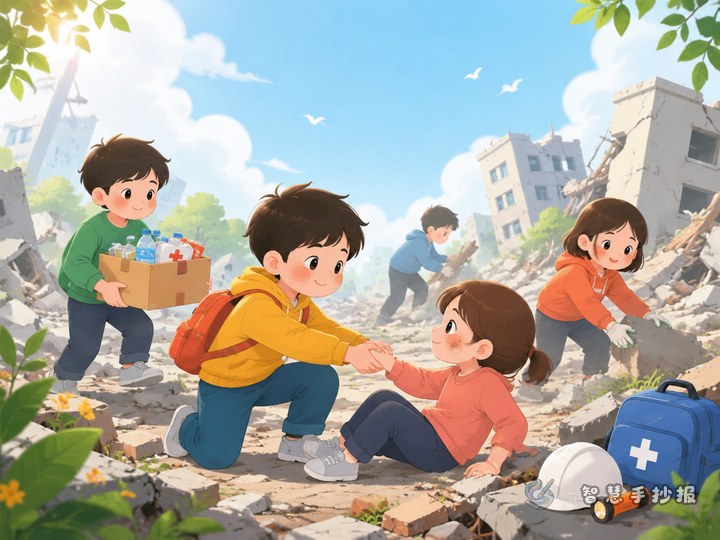
- Follow teachers, parents, or emergency instructions.
- Watch out for aftershocks.
- Do not rush back into unsafe buildings.
- Ask for help if someone is injured and trust verified information only.
Short lines students can copy
Line 1: Earthquakes are serious, but calm action helps keep us safe.
Line 2: Disaster prevention means learning in advance and acting correctly when it matters.
Line 3: Stay calm, protect your head, find cover, and follow directions.
Line 4: Learn earthquake science and build strong safety awareness.
Line 5: Believe science, not rumors, and be a prepared student.
How to arrange the page
A good choice is a center title with four surrounding sections. Put the main heading in the middle and place short blocks around it: what earthquakes are, safe actions, after-earthquake tips, and slogans. This looks balanced and easy to read.
You can also use a two-column layout: facts on the left and safety actions on the right. Keep each section short so the poster stays neat and readable.
Colors and decorative elements
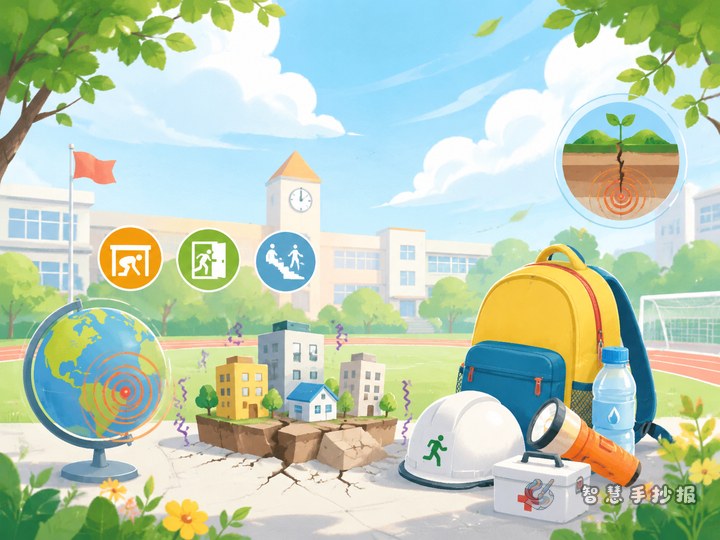
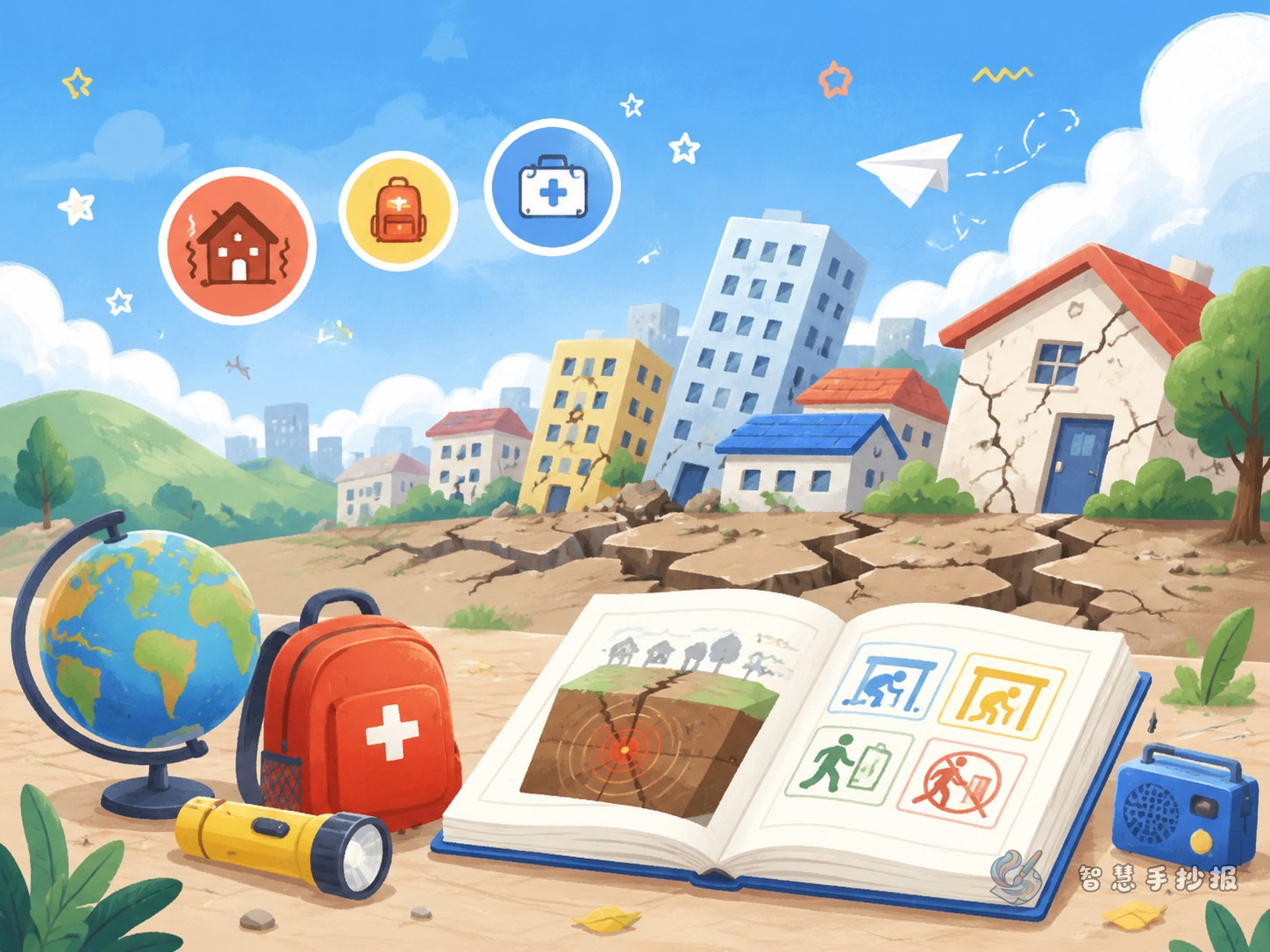
Try orange, red, and blue. Orange and red help highlight safety reminders, while blue keeps the page clean and calm. You can draw simple icons such as houses, the Earth, warning signs, books, shields, or safety lines.
If you want to organize the text and layout more easily, you can continue designing your poster in the Zhihui Shouchaobao WeChat mini program.
Common mistakes to avoid
- Do not turn the poster into a long encyclopedia-style article.
- Avoid large blocks of text that make the page crowded.
- Do not exaggerate earthquake prediction claims.
- Do not use slogans only; include real safety actions people can remember.