Start with a clear and useful main title
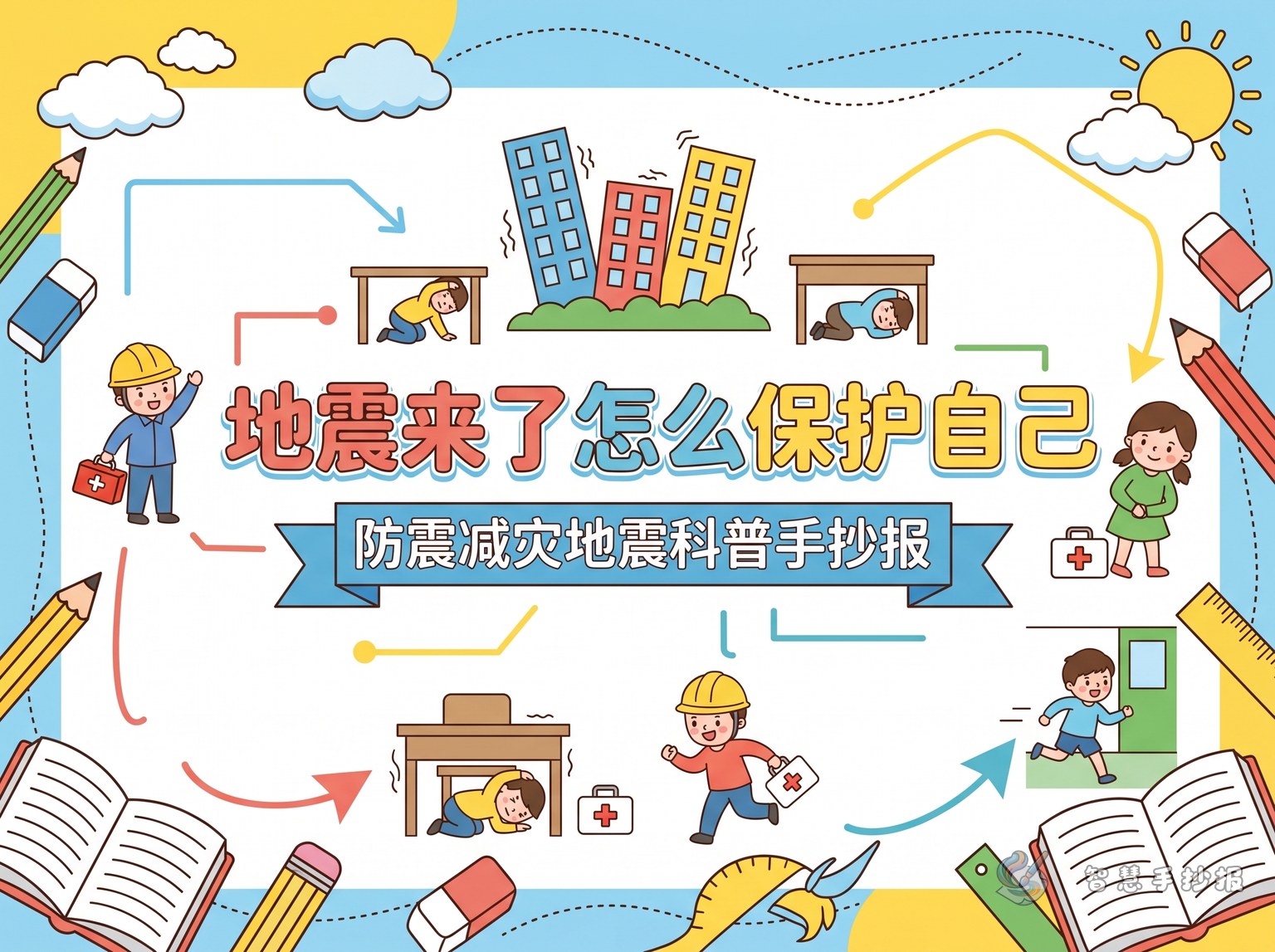
A practical title for this theme is “What Should I Do During an Earthquake?” It sounds like a real student question and makes the poster easy to understand. A small subtitle such as “Earthquake Safety Tips” or “Disaster Prevention for Students” can help make the page feel organized and school-friendly.
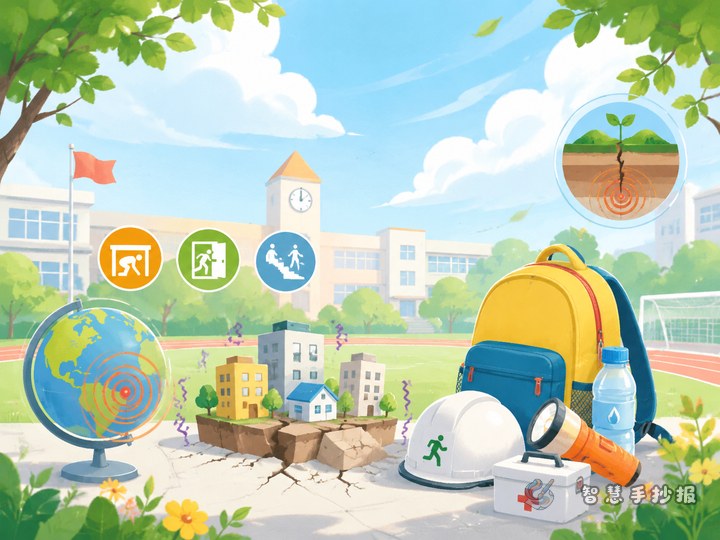
Place the main title at the top center. You can decorate it with simple drawings like a globe, a school building, a desk, a safety helmet, or an emergency kit so readers know the topic at a glance.
Use four simple sections for a neat layout
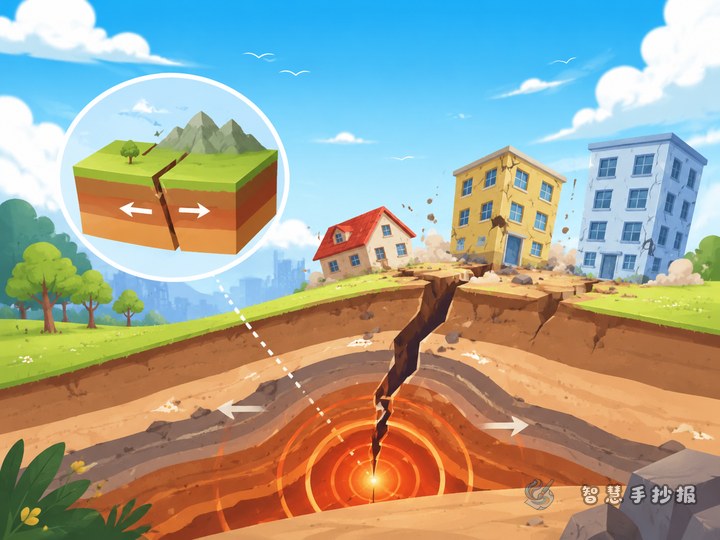
- What is an earthquake: Explain briefly that movement inside the Earth can cause the ground to shake.
- Indoor safety: Write about getting under a strong desk, protecting the head, and staying away from windows and tall furniture.
- Outdoor safety: Mention moving away from walls, glass, billboards, and power lines, then going to an open area.
- What to do after shaking stops: Include orderly evacuation, not using elevators, and watching out for aftershocks.
This four-part structure is easy for children to follow and works well for a school handwritten poster. If you want to keep improving the layout and headings, you can continue creating in the Zhihui Shouchaobao WeChat mini program.
Ready-to-use text for the poster
Short science note
An earthquake is a natural event that causes the ground to shake. Learning safety knowledge helps us protect ourselves. Practice and preparation can make emergencies less frightening.
Indoor safety lines
When an earthquake happens, do not panic. Drop down, take cover, and hold on. Protect your head and neck. Stay away from windows, lamps, and tall cabinets. Do not rush or push.
Outdoor safety lines
If you are outside, move away from buildings, glass, walls, streetlights, and wires. Go to an open place as quickly as possible. Do not stop under bridges or large signs.
After-earthquake reminder
After the shaking, stay calm and leave in an orderly way. There may be aftershocks, so be careful. Check for injuries, follow teachers or parents, and do not return to dangerous places too soon.
Add small modules to make the poster more vivid
You can include a small “What’s in an emergency kit?” box with water, a flashlight, a whistle, tissues, and basic medicine. Another useful box is “What I will do”, where students can write how they would stay safe at home, in class, or on the playground.
A “Do not do this” section also works well. For example: do not run wildly downstairs, do not use the elevator, and do not gather near damaged buildings. This gives the poster both correct actions and warning tips.
Choose bright but calm colors
Blue, green, and orange work well for an earthquake safety poster. Orange can highlight the title, while blue or green can frame the text sections. Keep the colors simple so the writing stays easy to read.
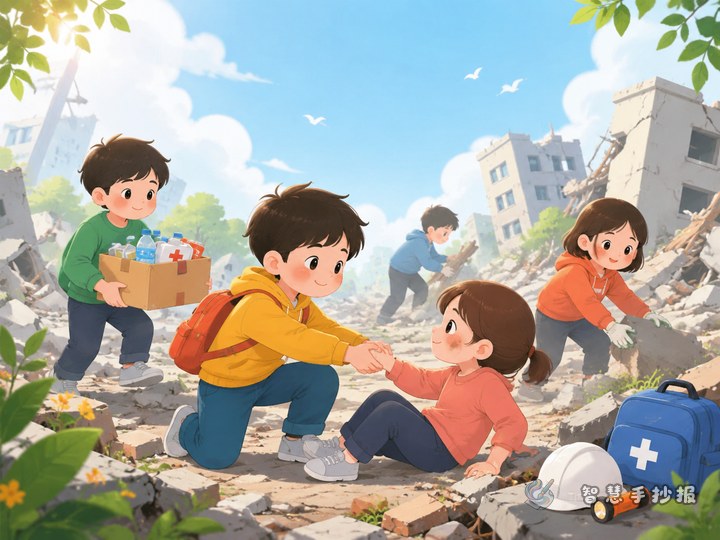
For illustrations, simple drawings are enough: desks, school buildings, emergency bags, open playgrounds, or safe evacuation lines. Small symbols like shields, arrows, and wave lines can fill empty space without making the page look crowded.
End with a short safety message
The final part of the poster can be a short call to action: learn earthquake safety, join emergency drills, stay calm in danger, and remind family members to prepare too. This gives the poster a complete ending and makes it suitable for class display.
If you want more title ideas, layout help, and ready-to-use poster materials, you can continue designing in the Zhihui Shouchaobao WeChat mini program.