Draw the Journey of One Drop of Water
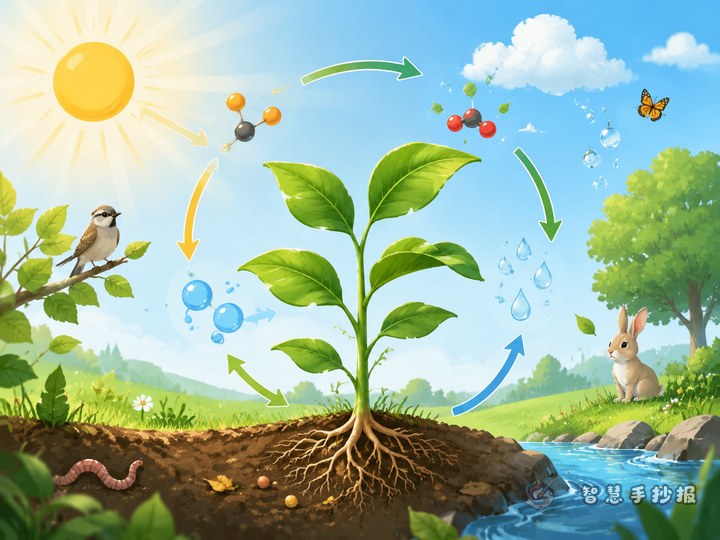
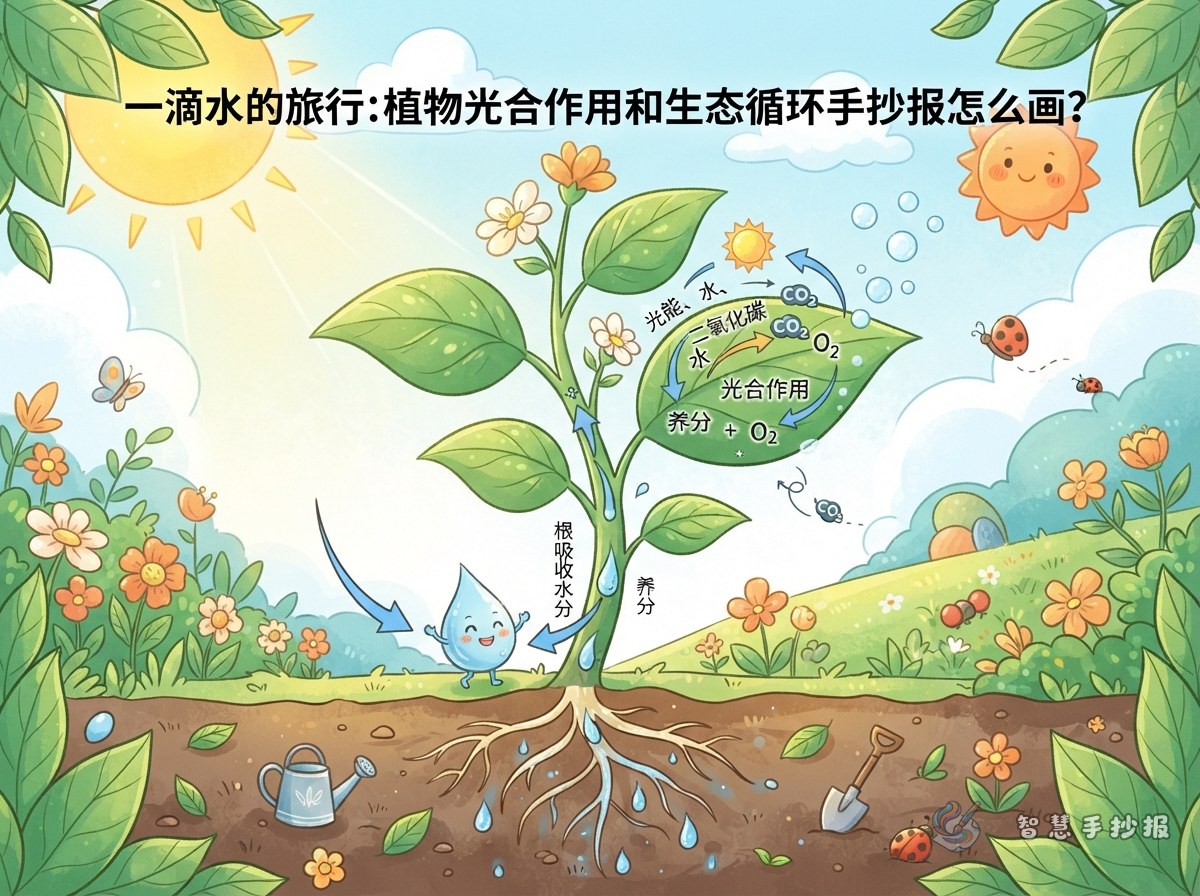
Use one drop of water as the main character of the poster. It enters the plant through the roots, moves upward through the stem, reaches the leaves, takes part in photosynthesis, and finally returns to the air through transpiration. Draw a curved route through the center and connect “soil, root, stem, leaf, and air” with arrows.
A suitable title is “The Journey of One Drop of Water” or “How Water Helps Plants Make Food”. Both titles are easy for children to understand and give the poster a clear story.
Show the Leaf as a Tiny Factory
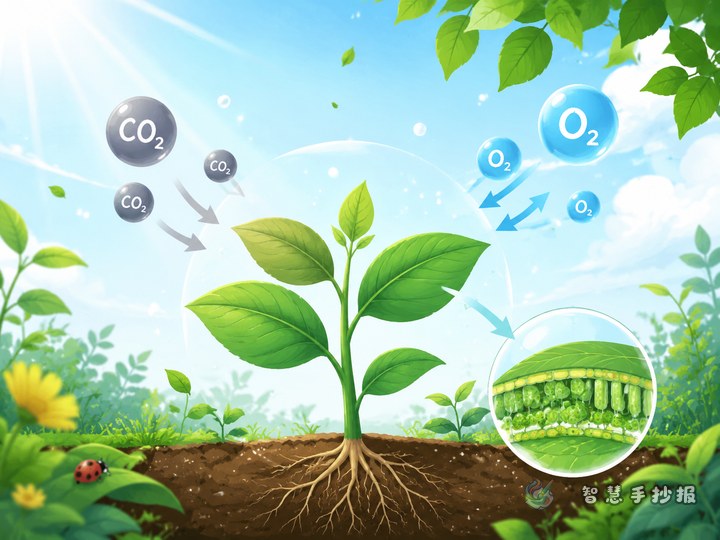
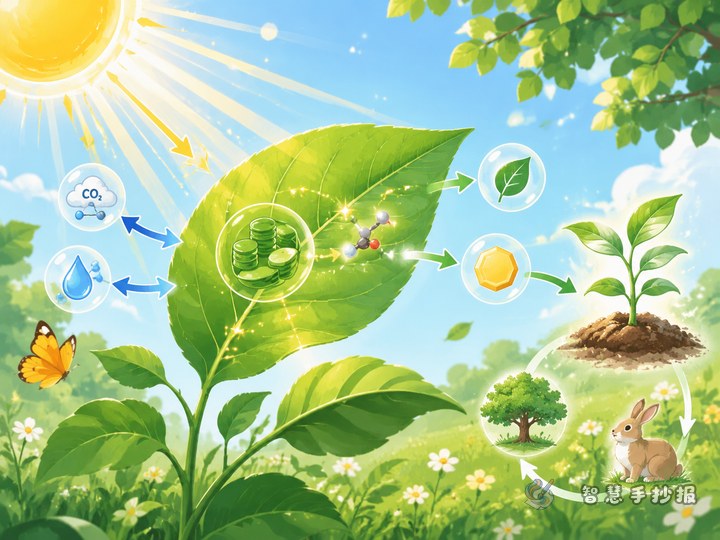
Use a leaf section to explain photosynthesis in simple words. Chlorophyll in the leaf uses sunlight to help the plant change water from the roots and carbon dioxide from the air into organic matter, while releasing oxygen. Draw the leaf as a small factory and label sunlight, water, and carbon dioxide as materials; organic matter and oxygen as products.
- Water: absorbed mainly by the roots and transported to the leaves.
- Carbon dioxide: enters the leaf from the air.
- Sunlight: provides energy for photosynthesis.
- Organic matter: helps the plant grow and begins many food chains.
- Oxygen: is released into the air for many organisms to breathe.
Connect the Leaf to the Ecosystem
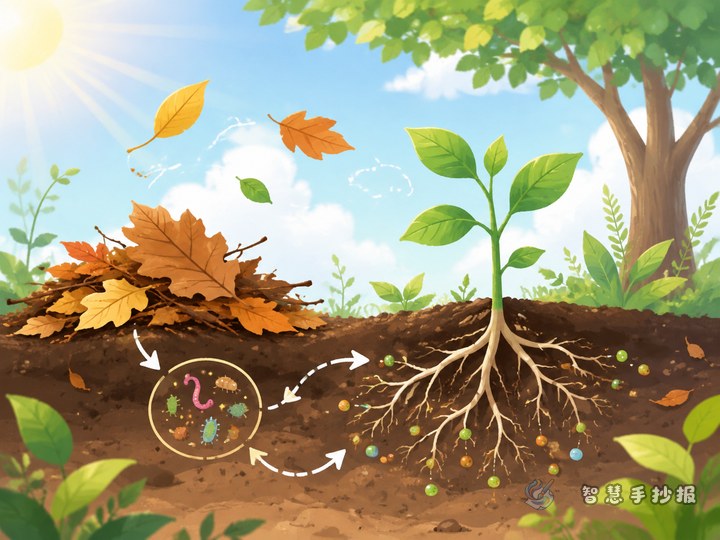
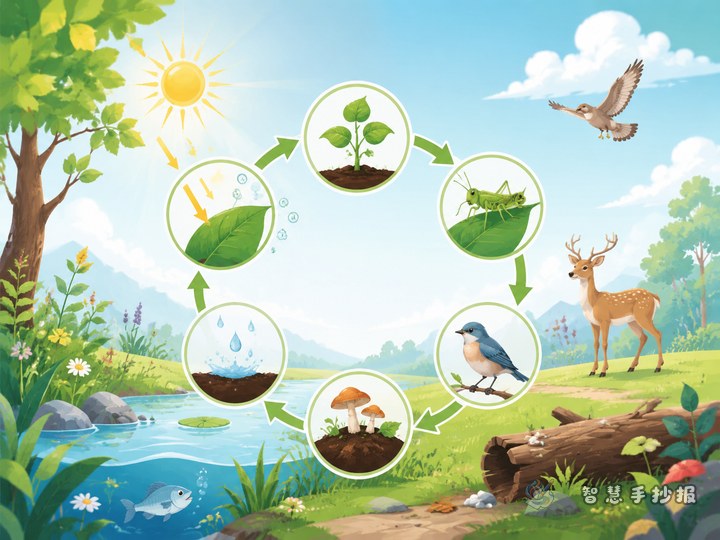
Extend the poster beyond the formula. Show how organic matter made by plants enters the ecosystem. Grass may be eaten by a rabbit, and the rabbit may become food for an eagle. Fallen leaves and animal waste are broken down by decomposers, returning nutrients to the soil for plant roots to absorb.
On the right side, draw a circular arrow route: plants, herbivores, carnivores, decomposers, soil, and plants. Add this summary: Plants are important producers, and photosynthesis provides the material and energy foundation for life.
Small Knowledge Sections to Copy
The Photosynthesis Formula
Carbon dioxide + water — sunlight and chlorophyll → organic matter + oxygen. Add a sun, raindrop, leaf, and oxygen bubbles beside the formula to make it easier to understand.
A Note About Transpiration
Plants do not keep all the water they absorb. Some water escapes into the air through tiny openings on the leaves. Transpiration helps water move through the plant and is part of the water cycle.
Green Actions
Write suggestions such as saving water, caring for plants, reducing disposable products, and sorting waste. This connects the science topic with everyday life.
Layout and Color Suggestions
Use a “central route map with surrounding knowledge sections” layout. Put the title at the top, a large water drop and leaf route in the center, the formula at the lower left, the food chain and decomposers at the lower right, and green actions along the bottom. Use green, blue, and yellow as the main colors, with a little brown for the soil.
Keep all arrows moving in a consistent direction and leave clear space between sections. After sketching, continue in the Zhihui Handwritten Newspaper WeChat Mini Program to organize sections, adjust the layout, and prepare a poster for printing or display.