Turn a Small Garden Bed into an Ecology Map
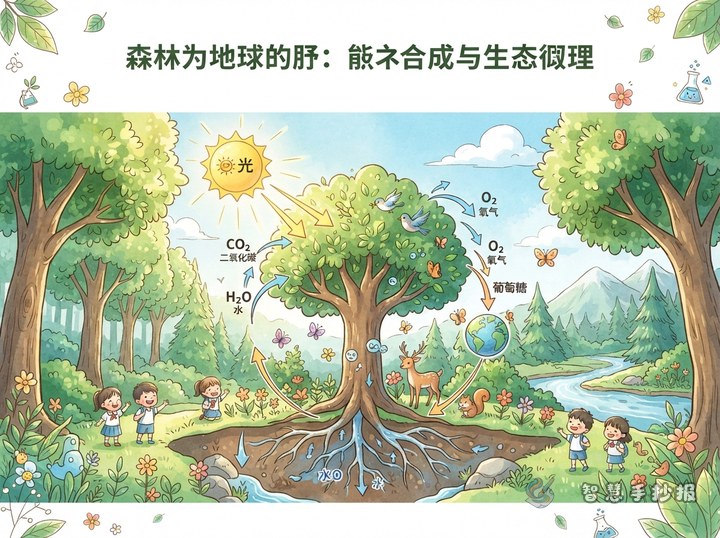
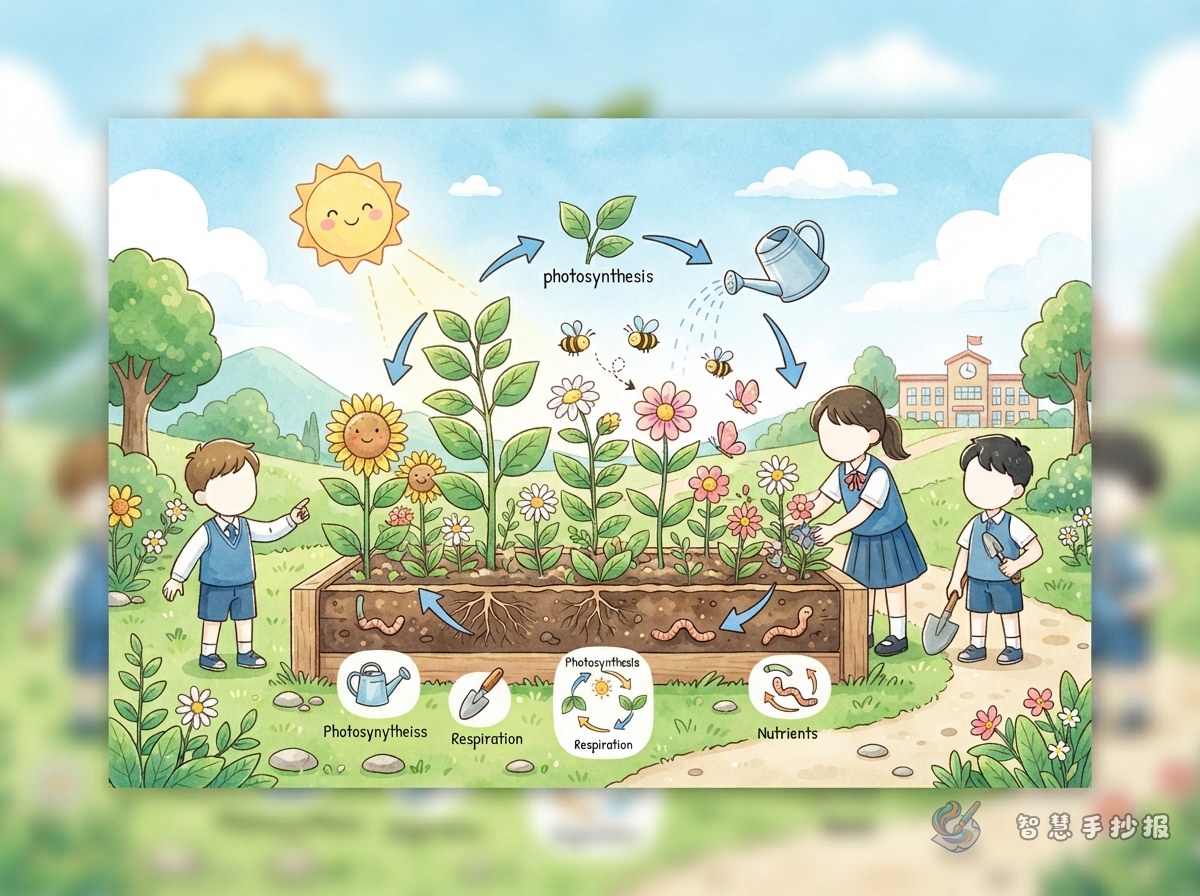
This hand-copied poster can begin with something familiar, such as a school flower bed, balcony plant, or patch of grass. Instead of only explaining what photosynthesis means, show a visible cycle: sunlight reaches the leaves, plants make food, insects and animals get energy, fallen leaves return to the soil, and the soil supports new growth.
A friendly title such as “The Ecological Journey of a Leaf” or “Energy Cycle in a Small Garden Bed” can make the poster feel like a story and help younger students understand it more easily.
Key Text to Put on the Poster
1. A Simple Explanation of Photosynthesis
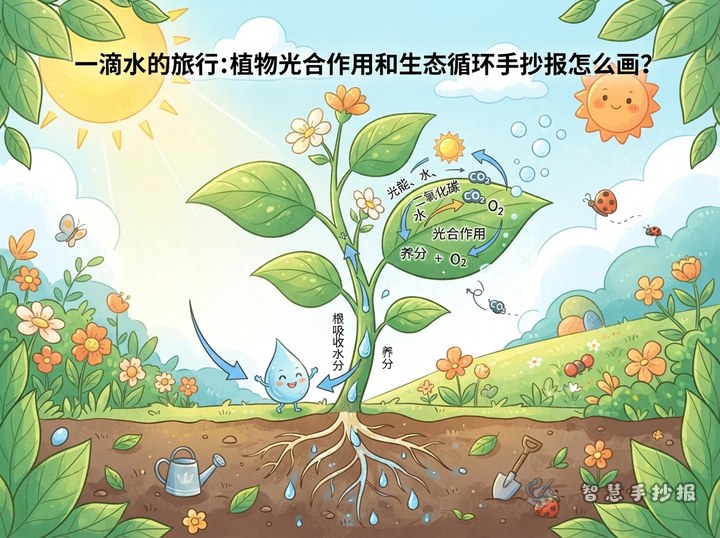
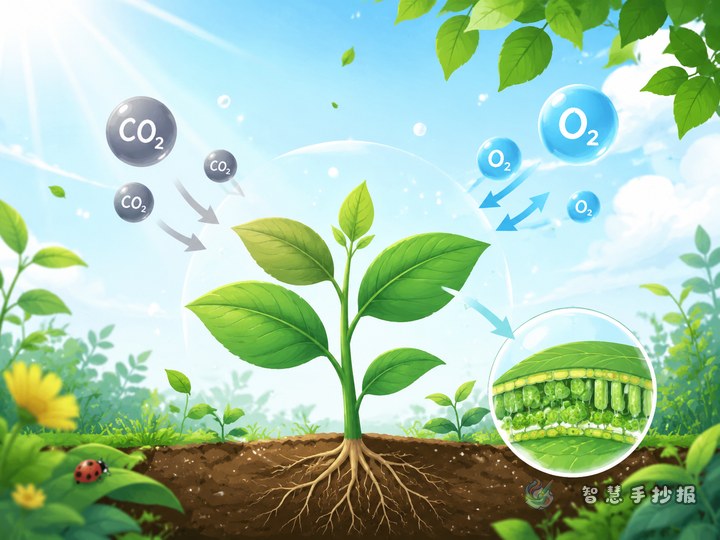
Green leaves work like tiny factories. With the help of sunlight, they take in carbon dioxide and water, make food for the plant, and release oxygen. This process is called photosynthesis.
2. How Energy Moves Forward
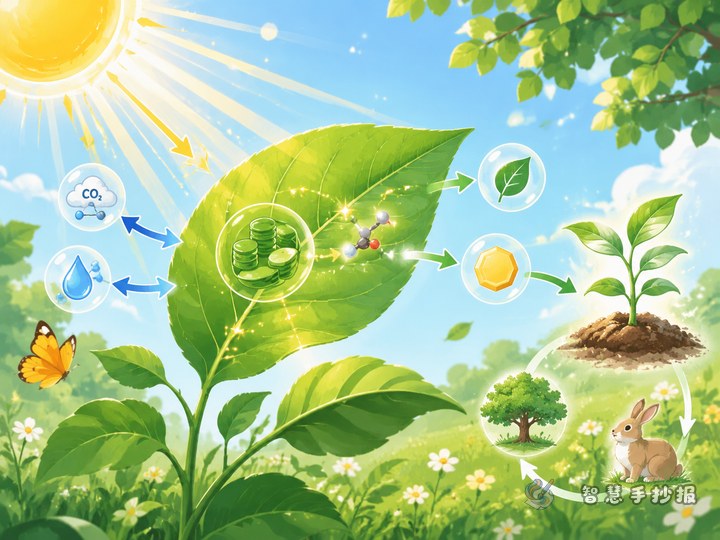
Plants turn sunlight into food. Plant-eating animals get energy by eating plants, and other animals may get energy by eating them. In this way, energy moves step by step through a food chain.
3. Fallen Leaves Are Not Waste
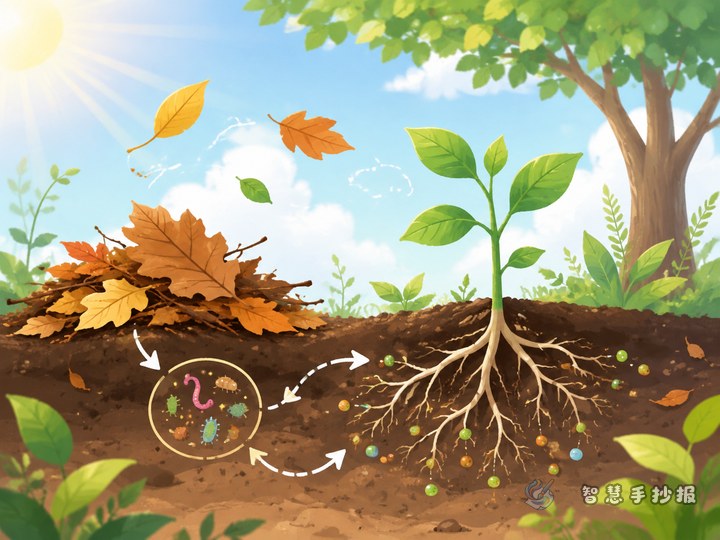
Fallen leaves, dry branches, and remains of living things are broken down by small organisms in the soil. They become nutrients that help plants grow again.
Column Ideas for a Clear Layout
- Sunlight Entrance: Draw the sun, leaves, and water drops, then write the basic needs of photosynthesis.
- Energy Relay: Use arrows to show a simple food chain, such as plant-insect-bird or grass-rabbit-fox.
- Soil Recycling Station: Draw fallen leaves, earthworms, mushrooms, and soil to explain decomposition and nutrient return.
- Green Action Card: Write small actions such as protecting grass, saving water, caring for trees, and reducing waste.
Layout Tips That Make the Cycle Easy to Read
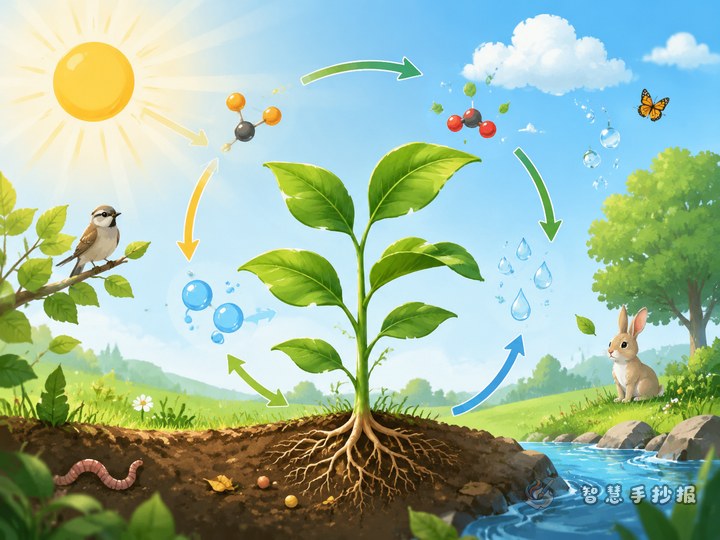
A circular arrow layout works well. Place a large plant in the center, then arrange sunlight, air, water, animals, fallen leaves, and soil around it. Use yellow for sunlight, green for plant growth, and brown for the soil cycle.
For a horizontal page, the left side can show a “leaf factory in the daytime,” while the right side can show a “soil recycling station.” A small food-chain bridge in the middle will connect the two parts and keep the poster organized.
Short Sentences for Copying
- A leaf absorbs sunlight and sends life energy into the ecological cycle.
- Plants are the starting point of many food chains, so protecting plants means protecting nature.
- When fallen leaves return to the soil, it is not an end but the beginning of new growth.
- Sunlight, air, water, and soil work together to keep green life growing.
A Final Making Tip
Do not fill the page with too much text. Add small icons beside science words to make them easier to understand. After preparing your draft, you can continue organizing the layout and choosing a bright plant-themed style in the 智慧手抄报 WeChat mini program.