Start with a clear angle: vehicles, horses, and social manners
This handwritten newspaper works best when it focuses on one clear idea: in ancient China, vehicles were not only tools for travel, but also symbols of status and etiquette. Instead of covering every ancient travel method, students can center the page on carts, horses, sedans, and the manners connected with them.
A simple opening line can be: In ancient China, people traveled by cart, horse, ox cart, and sedan chair. Different tools were used in different situations, showing both practical needs and cultural rules.
Suggested sections for the newspaper
Section 1: Common ancient vehicles
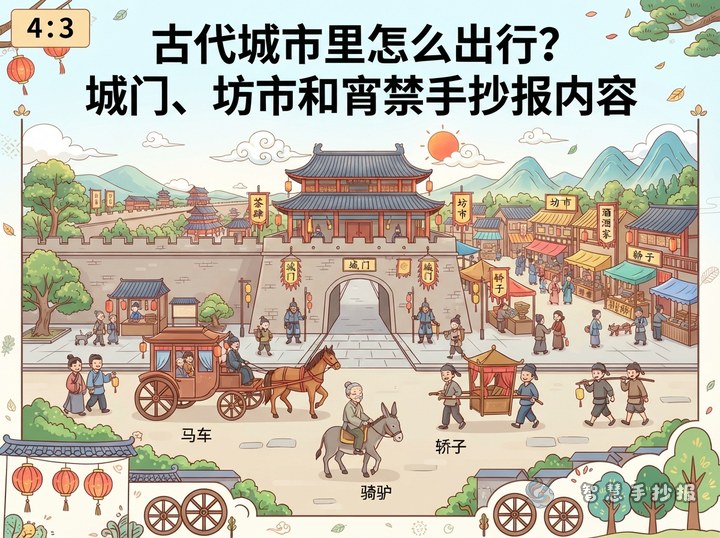
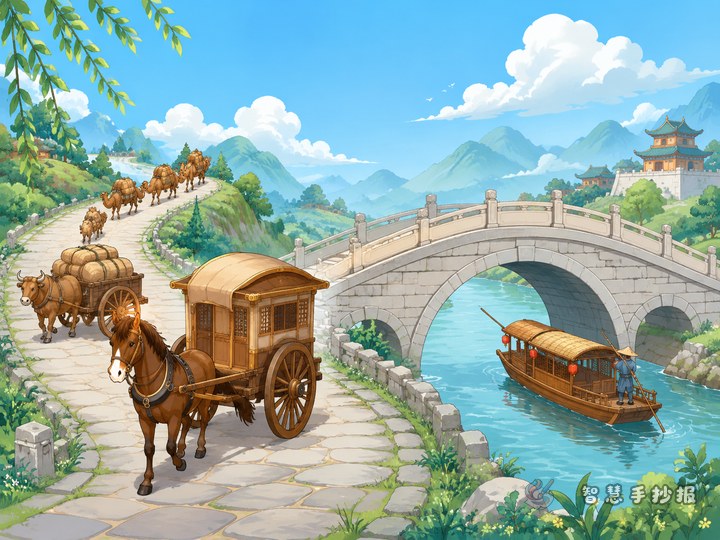
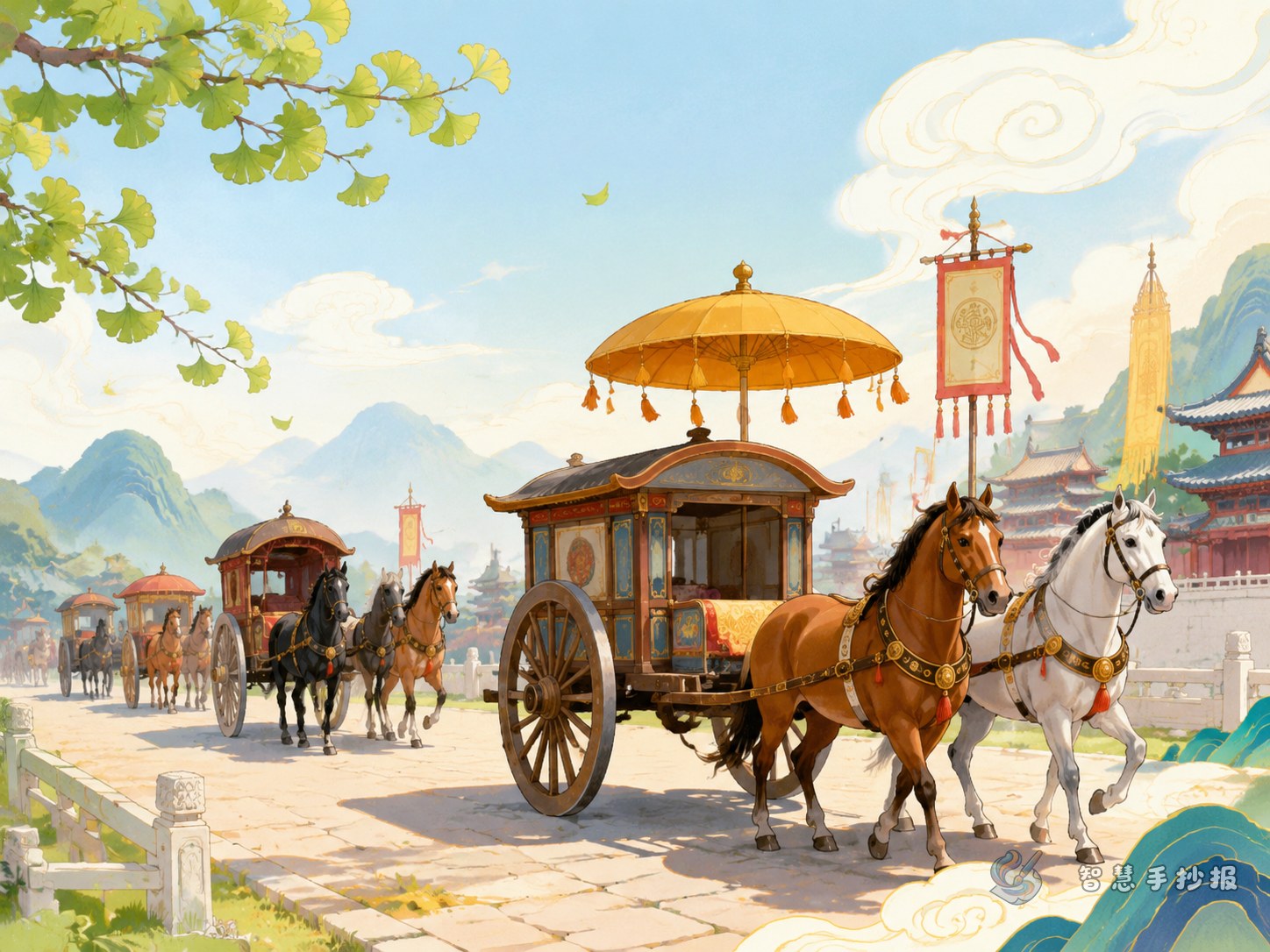
- Horse cart: an important land vehicle for travel, official movement, and formal occasions.
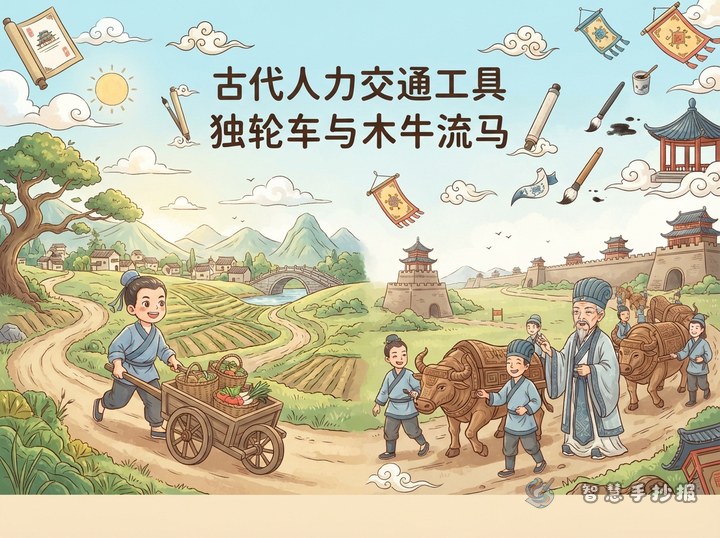
- Ox cart: slower but steadier, often used for carrying goods or daily travel.
- Donkey cart: closer to ordinary daily life and useful for shorter trips.
- Sedan chair: carried by people instead of animals, often seen in towns and ceremonial settings.
Section 2: Travel etiquette in ancient times
- Ancient travel often followed clear rules of order and position.
- People of different status might use different vehicles or decorations.
- Travel on formal occasions was not only about moving from one place to another, but also about manners and social identity.
Section 3: Roads and travel preparation
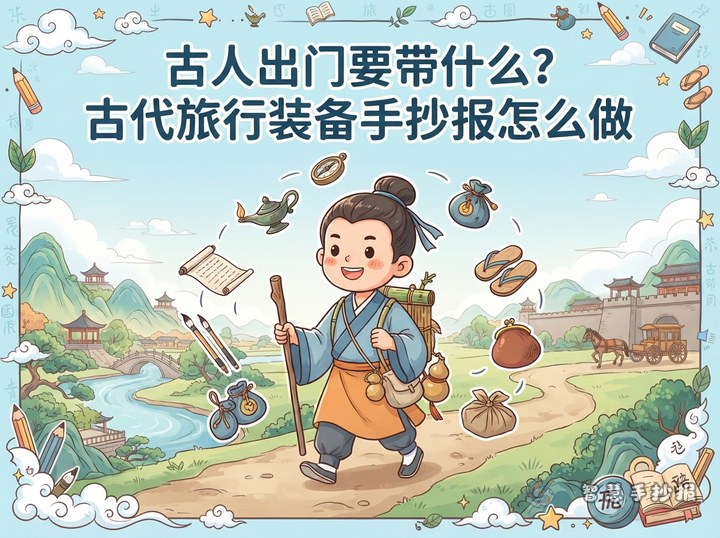
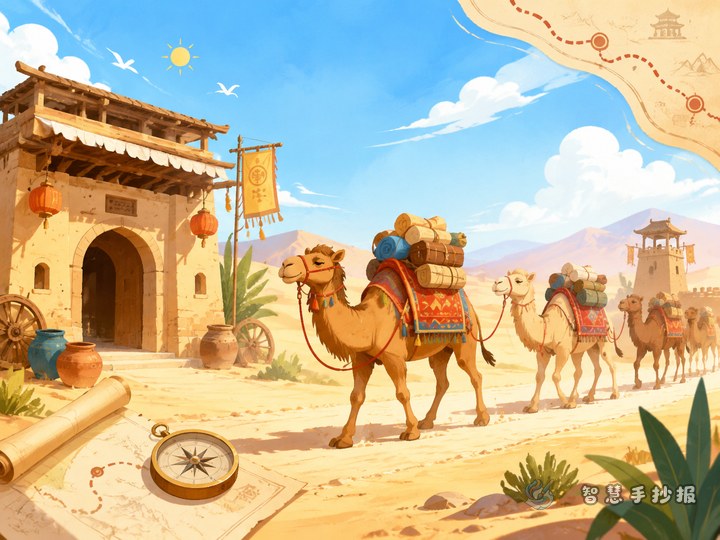
- Travelers needed food, clothing, and basic supplies before setting out.
- Weather and road conditions strongly affected long-distance travel.
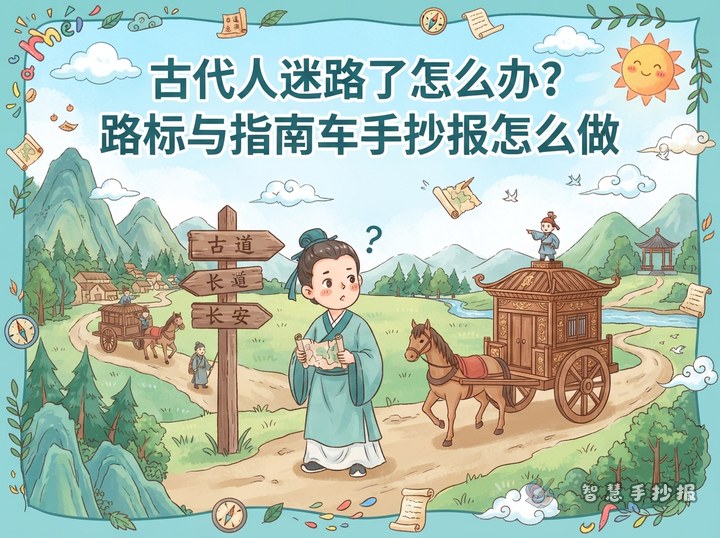
- Post stations can be mentioned as places for rest and message delivery during long journeys.
Ready-to-use text material
Ancient China had many kinds of transportation, and carts and horses were among the most representative for land travel. Horse carts were faster and often used in formal situations. Ox carts moved more steadily and were suitable for carrying goods. Sedan chairs were common in towns and during ceremonies. These tools were connected not only with transportation, but also with social customs and cultural meaning.
Ancient Chinese travel culture shows the importance of order, etiquette, and ways of life. Different people and different occasions called for different travel tools. By learning about ancient vehicles, students can understand both transportation history and traditional culture.
How to design the page
This topic looks good in a two-column layout or a centered layout. Put the main title at the top, place a “vehicle knowledge” box in the middle, and arrange side sections for transportation tools and etiquette culture. This makes the page easy to read.
- Use earthy yellow, brown, or dark green for a classic historical feeling.
- Decorate small headings with wheel patterns, scroll shapes, or cloud-style borders.
- Keep each section short, with three to five key points for easy copying.
- Use lines to separate the “tools” part from the “culture” part.
Small details that improve the final work
Students can add a short ending such as “What I think about ancient travel.” A simple closing idea could be: Although ancient transportation was not as convenient as today, it carried rich history and culture. This kind of ending makes the newspaper feel complete.
Parents and teachers can guide children to outline first and then choose the best points to copy. If you want to keep refining the layout or add more suitable sections, you can continue making the project in the Zhihui Shouchaobao WeChat mini program.