Use roads, bridges, and passes as the main idea
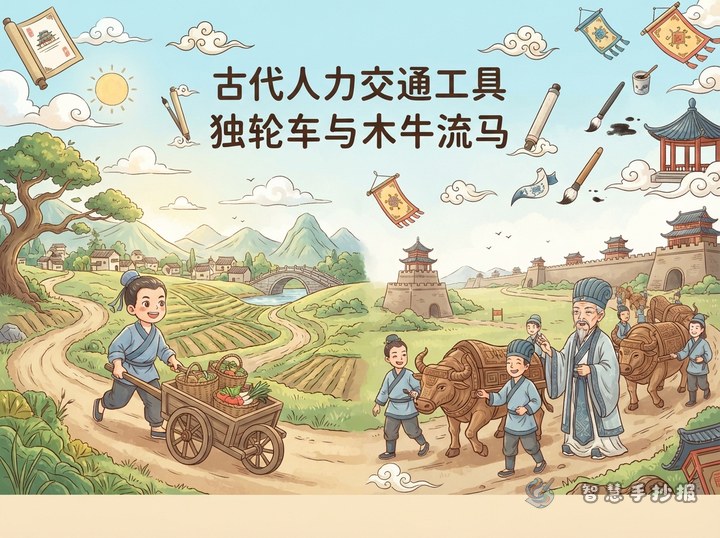
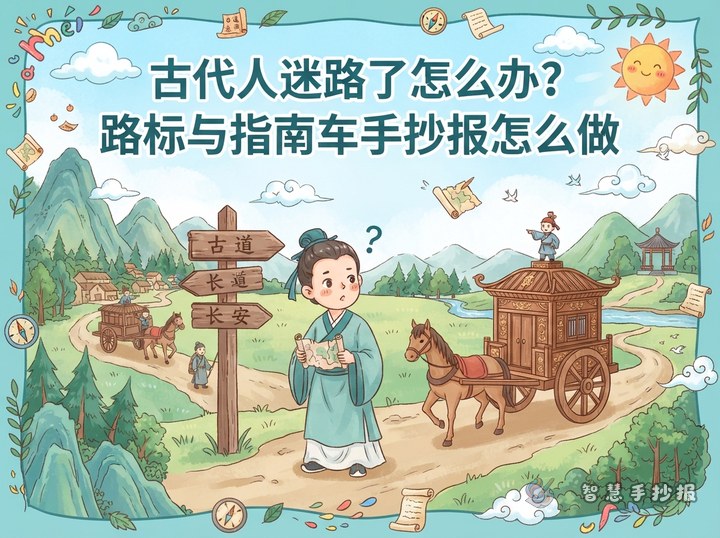
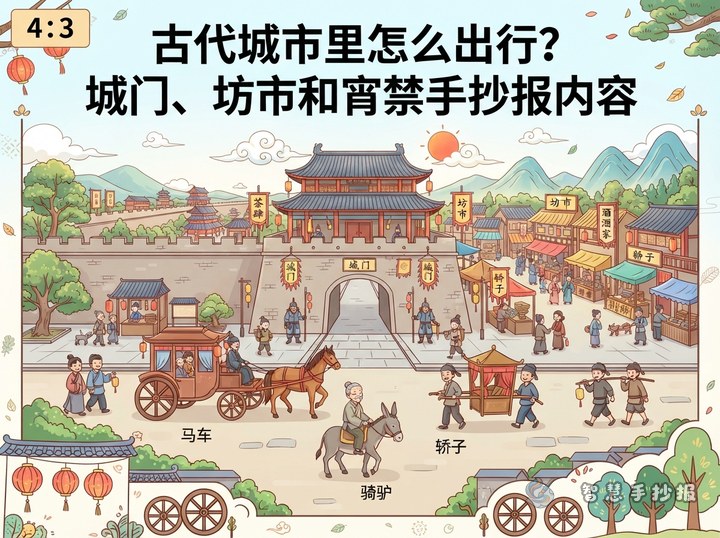
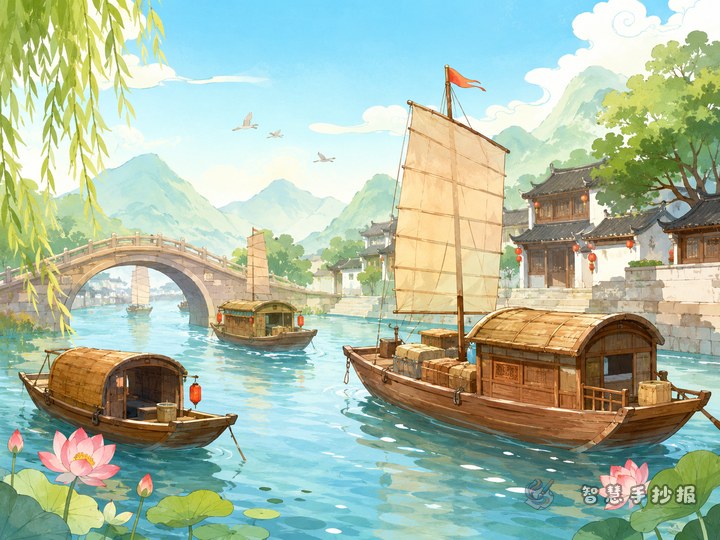
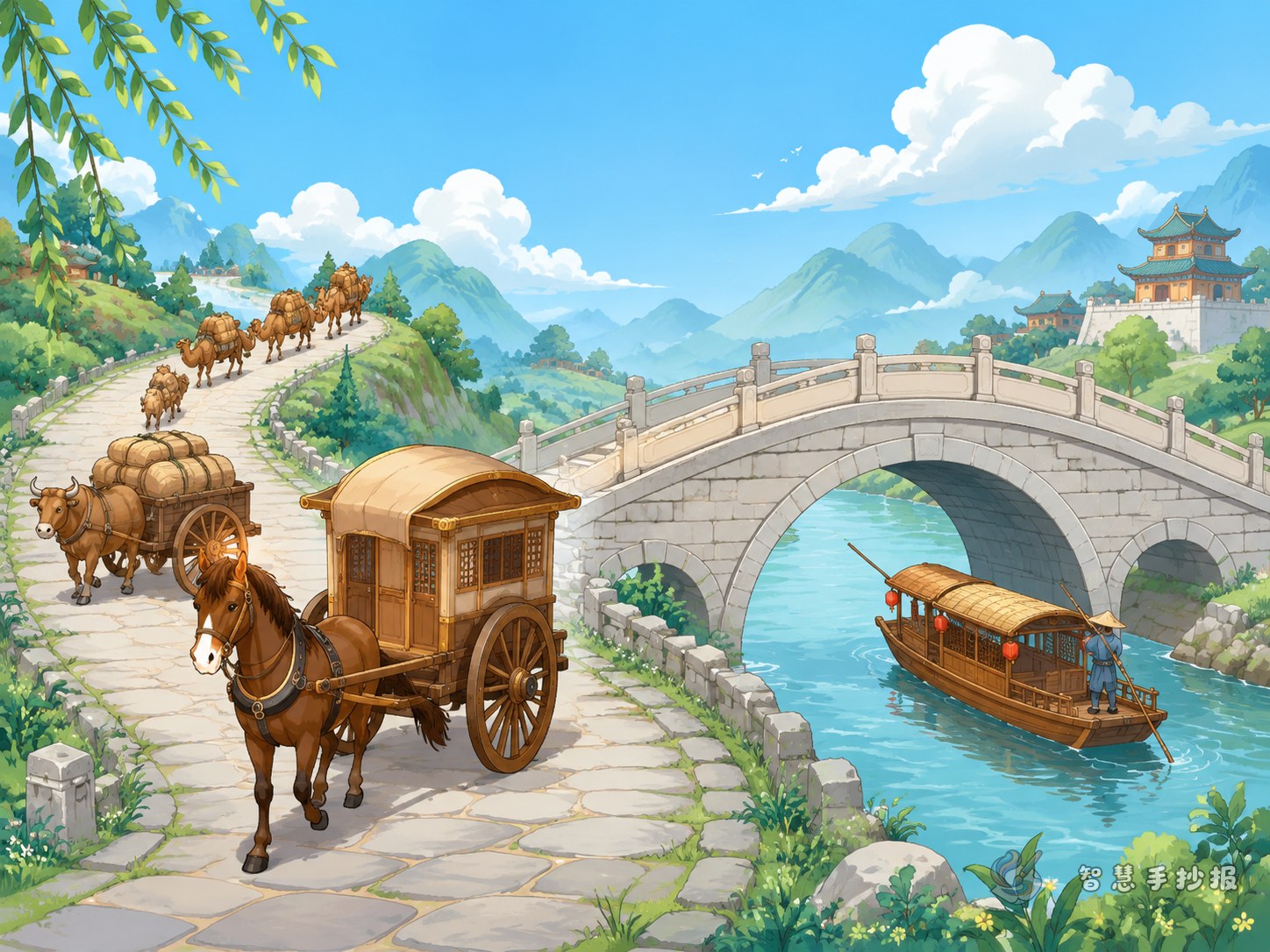
A handwritten newspaper about ancient Chinese roads and bridges does not need to cover the whole history of transportation. It can focus on three simple ideas: roads, bridges, and safe travel. In the center of the page, draw a road leading from a city gate to distant mountains, with travelers, horses, merchants, and a small bridge along the way.
This topic shows how people traveled across land, crossed rivers, and moved through mountains in ancient times. It also helps students understand the creativity and hard work behind roads and bridges.
Short text materials for the page
Ancient roads
Ancient China did not have modern highways, but people built official roads, postal roads, mountain paths, and plank roads. Official roads connected towns and cities. Postal roads helped messages travel faster. Mountain paths and plank roads made travel possible in difficult areas.
Ancient bridges
Bridges helped people cross rivers safely. Common bridge types included wooden bridges, stone arch bridges, and floating bridges. Stone arch bridges were strong and long-lasting, while floating bridges could be built with boats or wooden platforms for temporary use.
Travel culture
Before a long journey, ancient travelers often prepared dry food, water bags, hats, and bundles. They needed to watch the weather, ask for directions, and pass through gates or checkpoints. Roads and bridges supported trade, family visits, and cultural exchange.
Useful columns to include
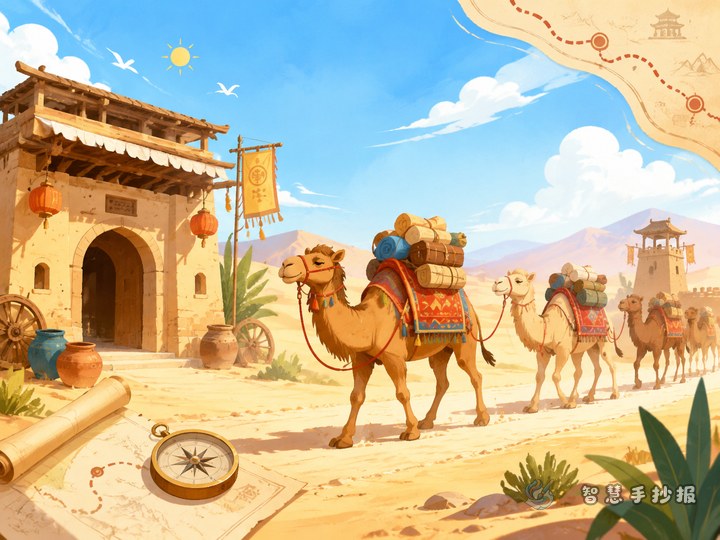
- Travel route map: Draw a route with a city gate, old road, stone bridge, mountain path, and inn.
- Transport mini facts: Explain official roads, plank roads, stone arch bridges, and floating bridges in short sentences.
- Ancient travel checklist: Include dry food, a water bag, a hat, a horse, and a travel bundle.
- Engineering wisdom: Show how people built roads through mountains and bridges over rivers.
- Safe travel tips: Use simple phrases such as travel together, check the weather, and protect roads and bridges.
Make the road guide the whole layout
An S-shaped ancient road works well as the main composition. Let the road start from the lower left corner, pass a river and a hill, and reach a city tower in the upper right corner. Place different text boxes along both sides of the road so the reader’s eyes follow the journey.
For colors, use light yellow, soft green, brown, and pale blue. Put the title on a scroll, a gate plaque, or a wooden sign. Borders can look like bamboo slips, stones, cloud patterns, or bridge railings. Keep each text area short and leave enough space for drawings.
Opening and ending sentences
Opening example: In ancient times, people did not have cars or high-speed trains. They traveled with roads, bridges, horses, and their own feet. Old roads connected towns, and bridges crossed rivers, making distant places easier to reach.
Ending example: A road connects home with the distance, and a bridge links two sides of a river. Learning about ancient roads and bridges helps us see the diligence, courage, and creativity of people in the past.
Practical making tips
- Choose the title first, draw the main route next, and then fill in the text columns.
- Use short sentences instead of long encyclopedia-style paragraphs.
- Good drawing elements include a stone bridge, mountain road, city gate, travelers, horses, and road signs.
- If you want help organizing the layout, title, and sections, you can continue making the page in the Zhihui Shouchaobao WeChat mini program and adjust it for your grade and paper size.