Start with the main idea: connect insects to farmland
This handout works best when it focuses on one clear question: which insects help crops, and which insects harm them? Instead of only describing insect looks, students should explain the role each insect plays in a field, vegetable patch, or rice paddy.
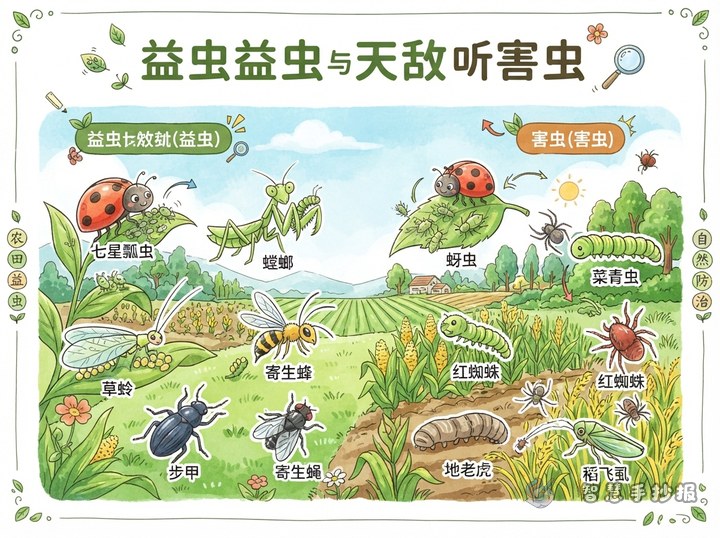
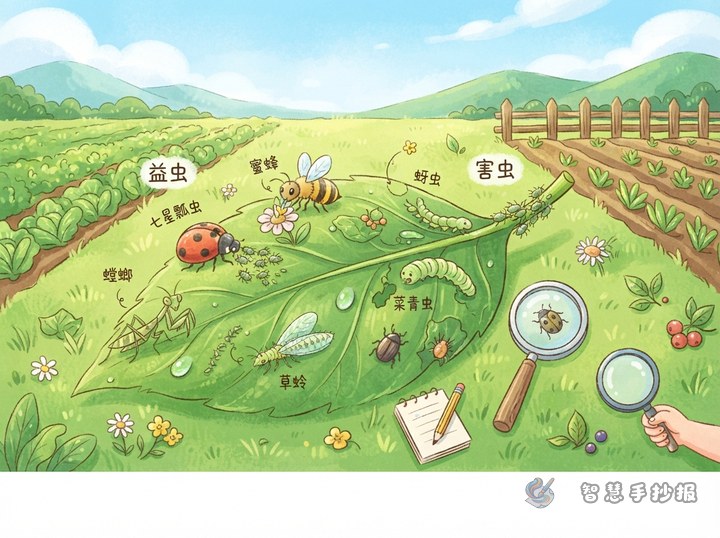
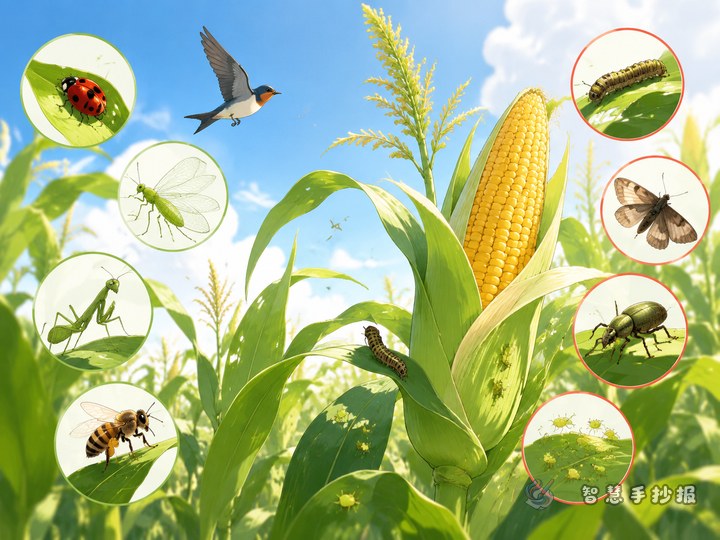
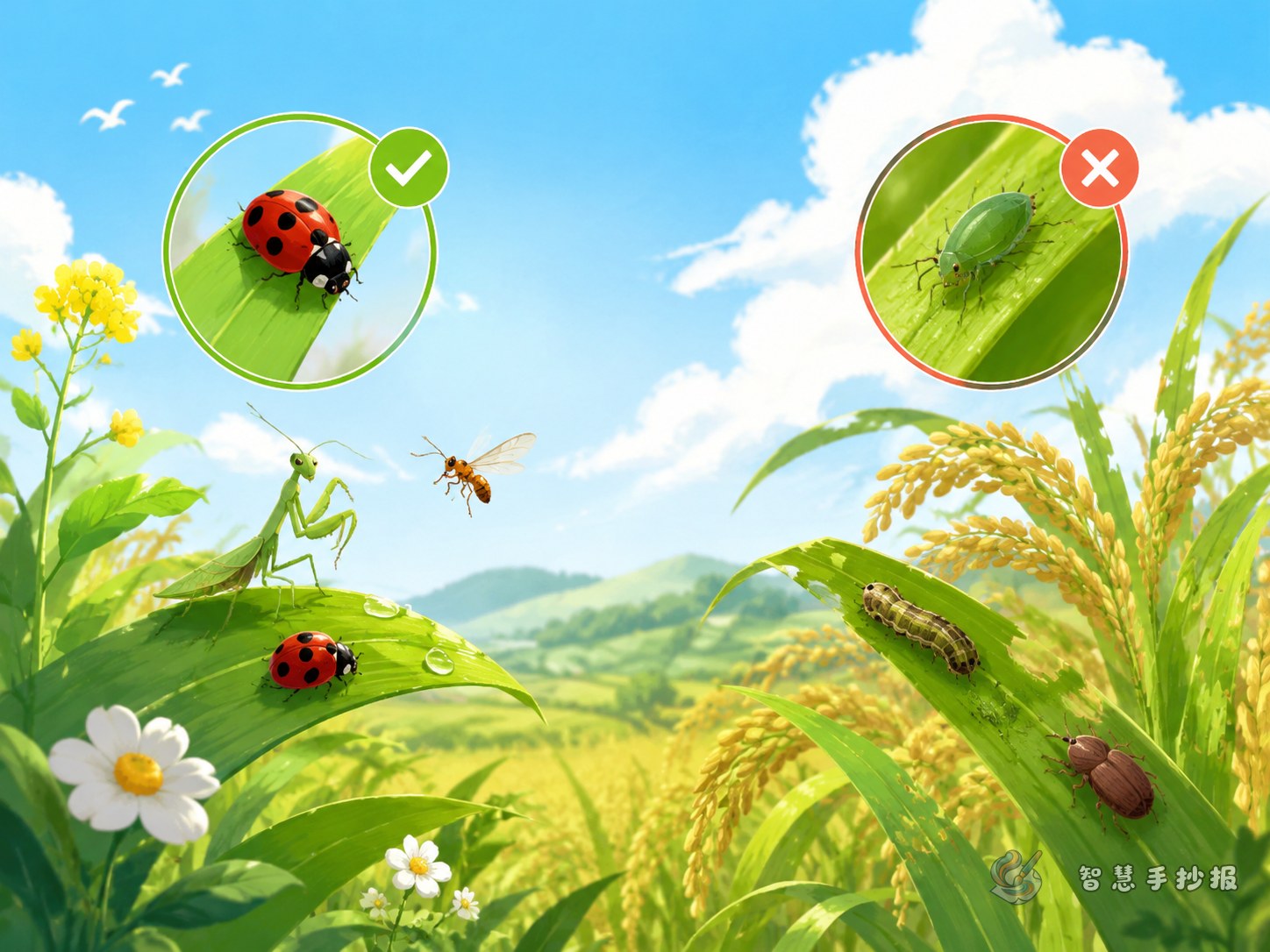
A simple layout is to divide the page into two sections with a farmland scene in the center. One side can be “Helpful Insects,” and the other side can be “Crop Pests.” This makes the topic easy to understand and easy to read.
Useful sections to include on the poster
Section 1: Helpful insects in the field
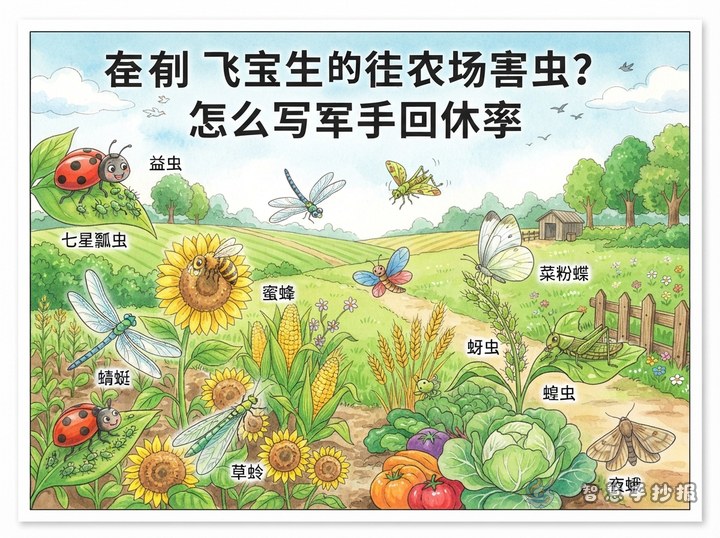
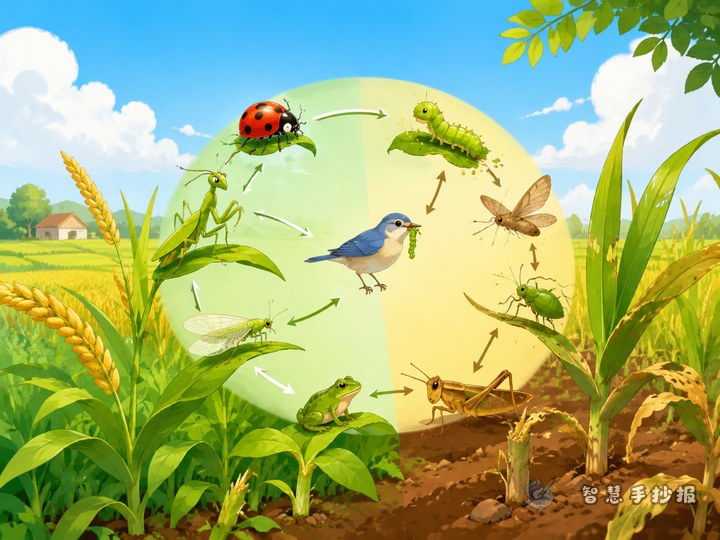
- Ladybugs: they eat aphids and help protect plants.
- Bees: they help flowers pollinate so crops can grow fruit and seeds.
- Dragonflies: they catch small flying insects.
- Lacewings: their larvae can feed on aphids and other tiny pests.
Section 2: Common pests to recognize
- Aphids: they suck plant juice and may make leaves curl.
- Cabbage worms: they chew leaves and damage vegetables.
- Locusts: they can eat large amounts of crop leaves.
- Planthoppers: they may harm rice plants in paddy fields.
Section 3: How to observe insects carefully
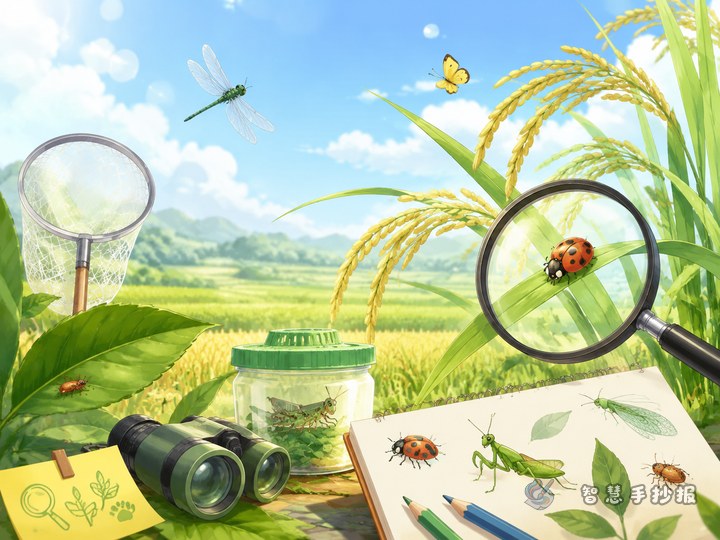
Students can record where the insect was found, what color it is, how it moves, whether it is eating leaves, and whether it is catching other insects. This makes the handout feel more like a real science observation page.
Short writing material students can use
Not all insects in farmland are harmful. Some insects help crops by pollinating flowers, and some eat pests that damage plants. These helpful insects are important friends of the field. Other insects may chew leaves, suck sap, or damage stems, so farmers need to watch them carefully.
By learning to tell beneficial insects from pest insects, children can better understand nature, respect the hard work of farmers, and learn why protecting crops matters.
Ideas for page design and decoration
The title can be lively and easy to read, such as “Insects in the Field” or “Helpful Bugs and Crop Pests.” Around the title, students can draw wheat, rice, leaves, magnifying glasses, and simple insect sketches.
- Use vines, leaves, or grain patterns for borders.
- Choose green, blue, and yellow for the beneficial insect area.
- Use orange or brown to mark the pest section clearly.
- Add one small insect drawing next to each text box.
A strong ending for the handout
The ending can remind readers that learning about insects is not only about calling them good or bad. It is about understanding how they live in farmland and how they affect crops. Protect beneficial insects, understand pests, and care for food and nature.
If you want to improve the title style, page layout, and color matching, you can continue designing your work in the Zhihui Shouchaobao WeChat mini program.