Start with a clear goal for the page
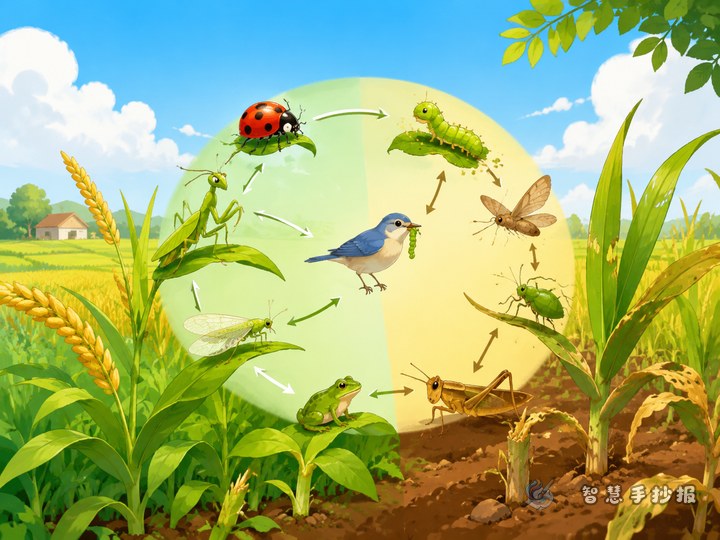
This topic works best when the report helps readers quickly understand which insects protect rice plants and which ones harm them. Instead of listing too many names, organize the content around recognition, classification, and simple field knowledge.
You can use a title such as “Insects in the Rice Field,” “Helpful and Harmful Rice Field Insects,” or “Who Helps the Rice Plants?” A short subtitle can explain that the report is about learning to observe farmland life and protect crops.
Good section ideas for a student report
- Rice Field Insect Facts: Introduce where these insects live and why they appear in rice fields.
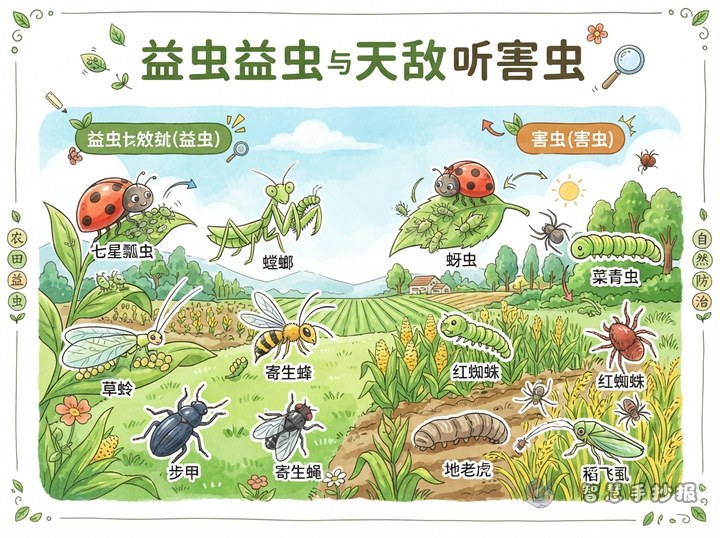
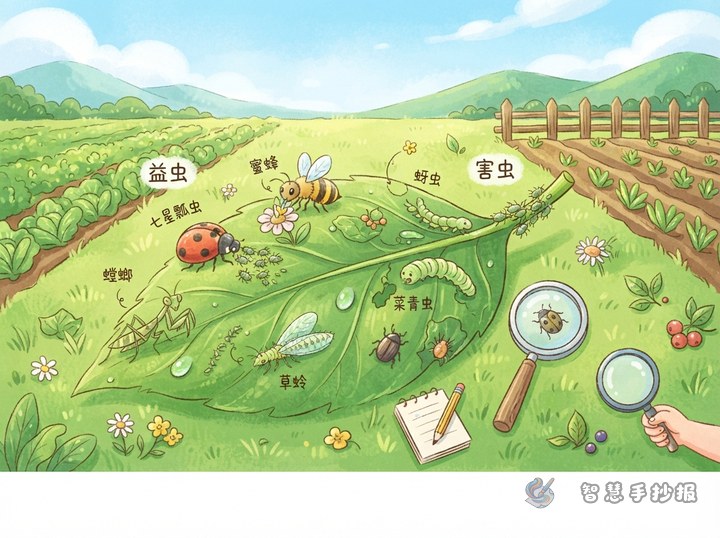
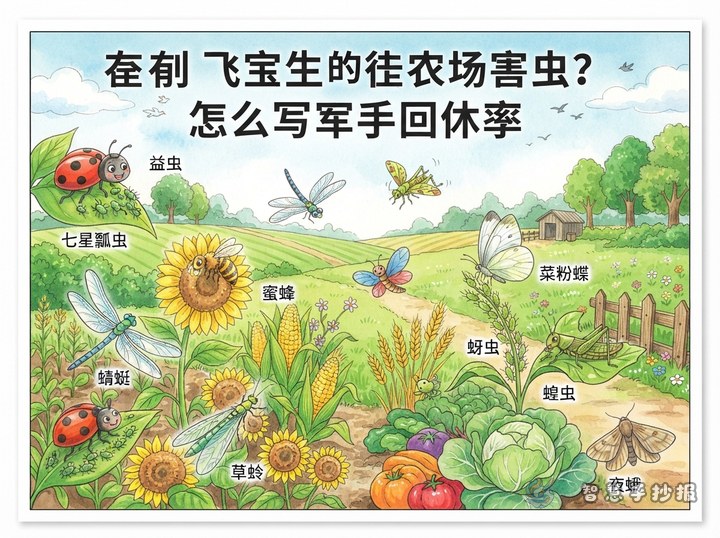
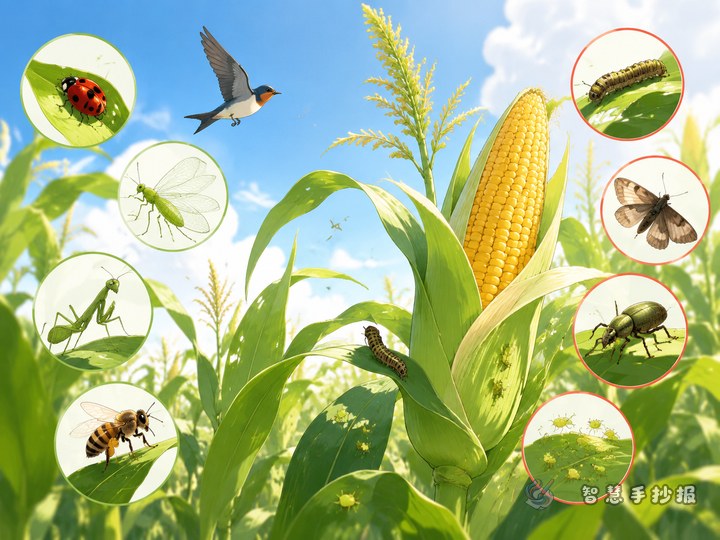
- Helpful Insects: Explain how dragonflies, ladybugs, mantises, and spiders help control pests.
- Pest Alert: Show how planthoppers, stem borers, and grasshoppers damage rice plants.
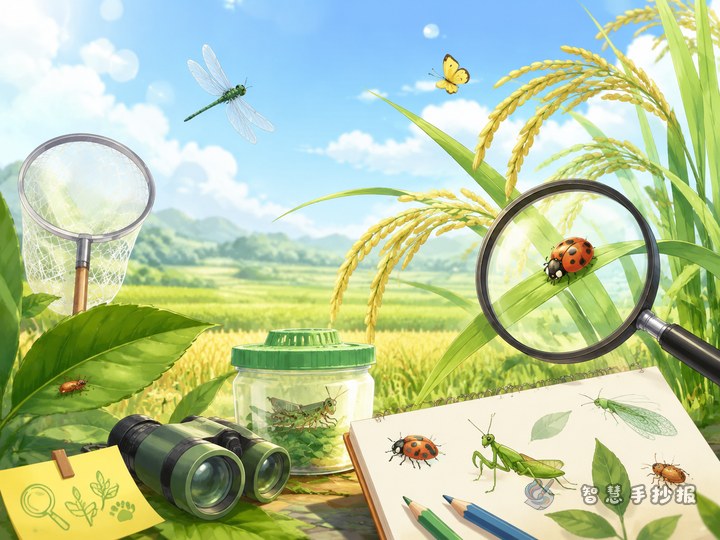
- Protect the Field: Add simple ideas about observing nature and caring for farmland ecology.
If the page is small, you can simplify it into three blocks: beneficial insects, pest insects, and protection tips.
Short text materials you can write directly
Helpful insects
- Dragonfly: Dragonflies fly quickly and catch small insects above the rice field.
- Ladybug: Many ladybugs eat aphids and help reduce plant damage.
- Mantis: A mantis can catch different small insects and is a strong natural hunter.
- Spider: A spider is not an insect, but it helps by trapping harmful bugs in the field.
Harmful insects
- Rice planthopper: It sucks sap from rice plants and can make them weak and yellow.
- Rice stem borer: Its larvae enter the stem and affect rice growth.
- Grasshopper: It eats leaves and may reduce crop health when there are many.
- Rice leaf folder: It rolls leaves and feeds on them, harming normal leaf growth.
Each insect only needs one or two short sentences. That keeps the report easy to read and easier for children to copy neatly.
A layout that feels like a real rice field
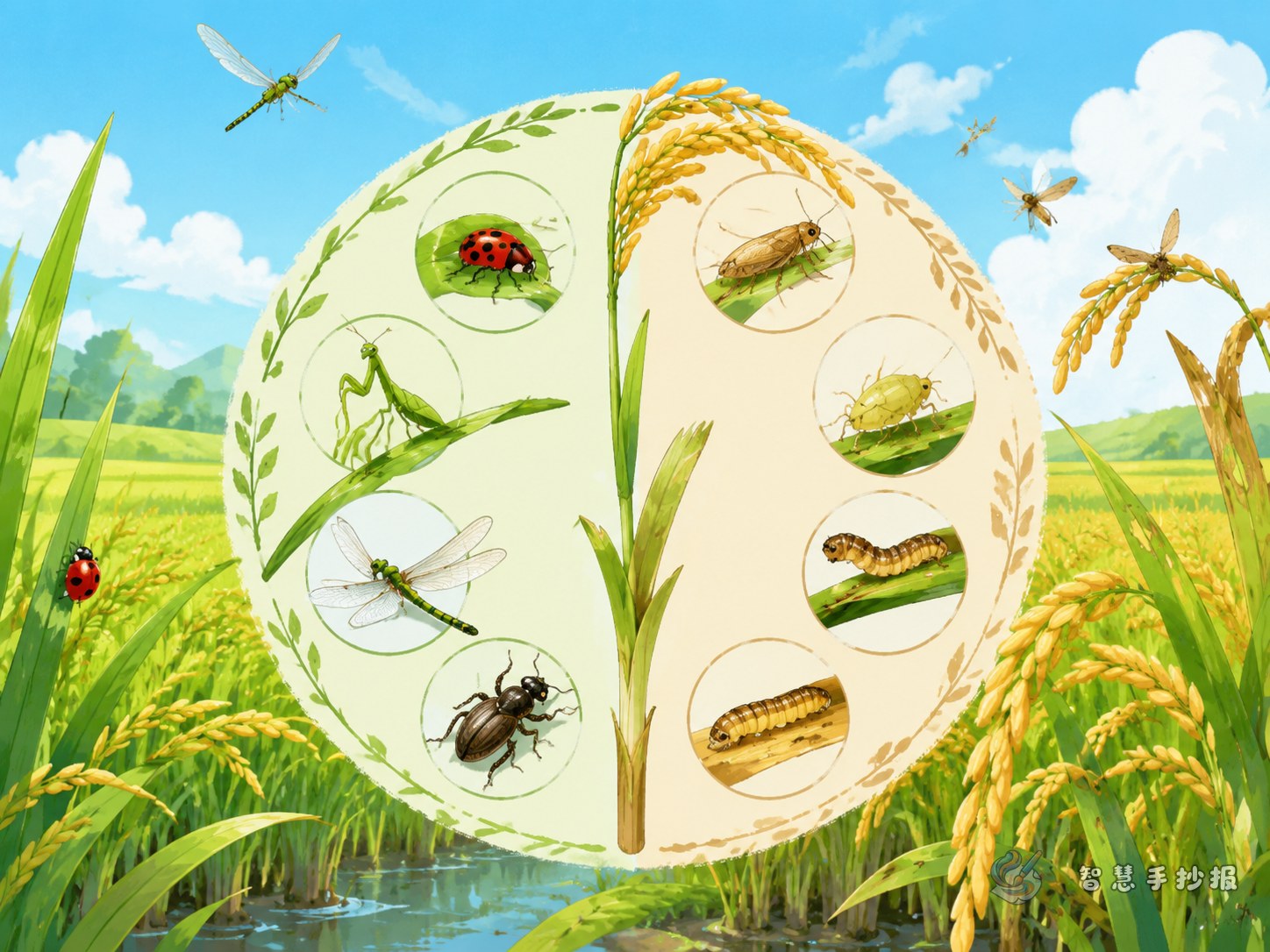
This theme looks great with a farmland-style design. Put the main title at the top inside a rice-ear shape, draw a simple rice field in the center, and place the helpful insects on one side and pest insects on the other.
- Top area: title and a short introduction.
- Left side: helpful insects with green borders.
- Right side: pest insects with orange or red borders.
- Bottom area: simple crop protection ideas.
You can also decorate the blank spaces with rice ears, water lines, clouds, sunshine, or leaves. Keep decorations small so the writing stays easy to read.
A simple ending for students
You can end the report with a short message like this: Many tiny creatures live in rice fields. Some protect crops, and some damage them. When we learn to observe and classify them, we understand nature better and appreciate food more.
Another good closing sentence is: After making this report, I learned that rice fields have not only pests but also many helpful little protectors.
Helpful making tips
- Keep each paragraph short and focused on one idea.
- Write insect names as small bold headings so the page is easier to scan.
- Use green, yellow, and light blue as the main colors.
- When drawing insects, focus on wings, antennae, and body shape instead of tiny details.
- If you want to improve the layout or try more styles, you can continue in the Smart Handwritten Report WeChat mini program.