Start with a “Farmland Insect Patrol” Theme
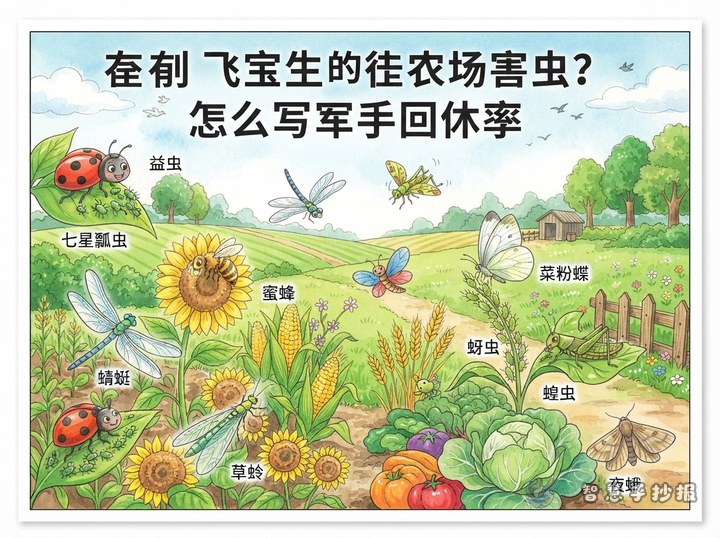
This hand-copied poster can focus on three ideas: observing insects, telling their roles, and protecting crops. A clear title such as Farmland Insect Patrol, Who Helps the Crops?, or Helpful and Harmful Insect Files makes the topic easy to understand at first glance.
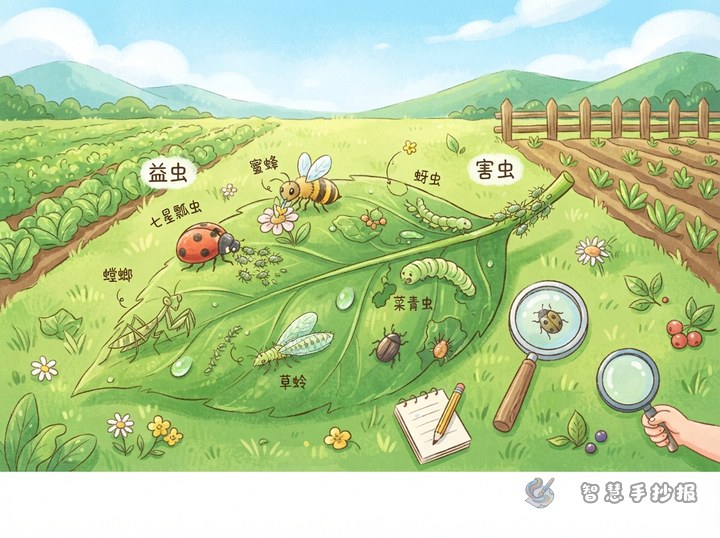
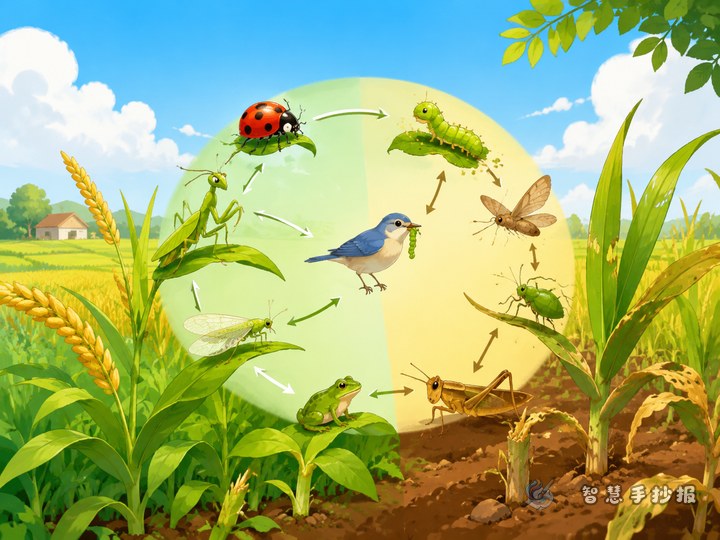
Instead of turning the poster into a long encyclopedia page, choose scenes children can picture: leaves with holes, young stems being bitten, a predator catching pests, or farmers trying to reduce crop damage in a reasonable way.
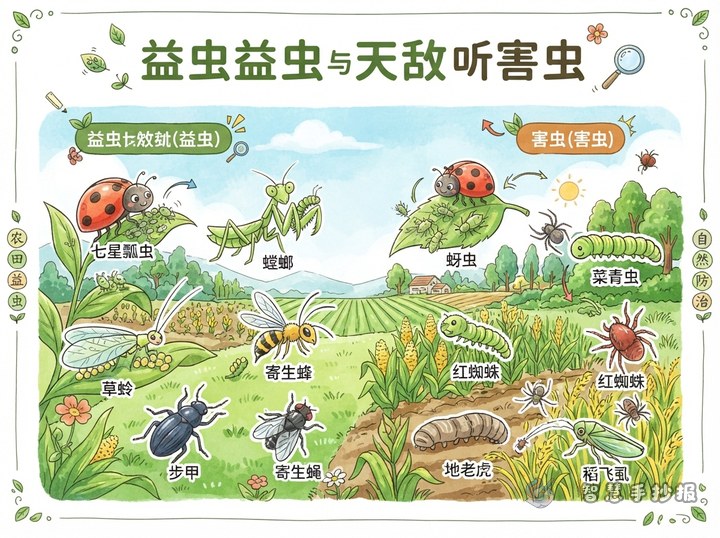
Insect Characters to Include
Small Helpers in the Field
- Praying mantis: Often seen in grass or near fields. It catches small insects and can be drawn as a brave field guard.
- Lacewing: Its larvae can feed on aphids and other small pests, so it fits well in a “green helper” section.
- Parasitic wasp: Tiny but useful in controlling some pests. A magnifying glass icon can make it easier to show.
- Dragonfly: Often flies near ditches or ponds by farmland and catches small flying insects.
Crop Damagers to Watch For
- Cotton bollworm: May damage tender leaves, flowers, or fruits of crops such as cotton, corn, and tomatoes.
- Cutworm: Its larvae often stay in soil or near the ground and may bite young seedlings.
- Armyworm: Feeds on the leaves of grain crops and can leave leaves looking badly cut.
- Cabbage worm: Common in vegetable fields and often chews holes in leaves.
Ready-to-Use Text for the Poster
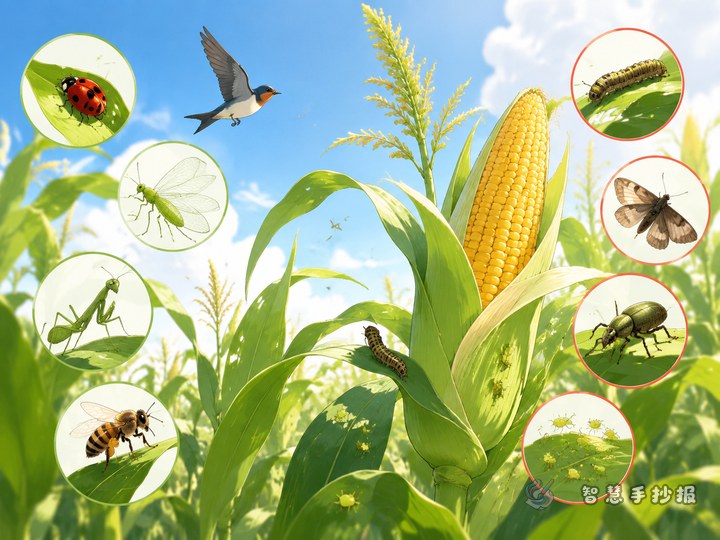
Helpful insects are part of the field ecosystem, and pest control is not just about removing every insect. A good poster can remind students that protecting helpful insects and managing pests wisely can keep crops healthier.
- Observation tip: Check whether leaves have holes, stems have bite marks, and whether the insect is eating plants or catching other insects.
- How to judge: Look at what the insect does and how it affects crops, not only at how it looks.
- Field care idea: Do not step on crops, do not catch helpful insects for fun, and tell an adult if many pests appear.
- Eco reminder: Grass strips, flowers, ditches, and field edges can provide space for some helpful insects.
A Layout That Looks Like a Field Map
Use a field-map layout: draw a piece of farmland in the center and divide the sides into four sections. Put helpful insect files in one corner, pest alerts in another, observation notes below, and field protection actions in the last section.
- Use green, yellow, and light brown to create a bright farmland feeling.
- Mark helpful insects with smiling icons and pests with warning icons.
- Place insects on leaves, in soil, along field ridges, or near ditches to make the picture layered.
- Keep the writing short: one or two simple sentences for each insect are enough.
Small Details That Make It Better
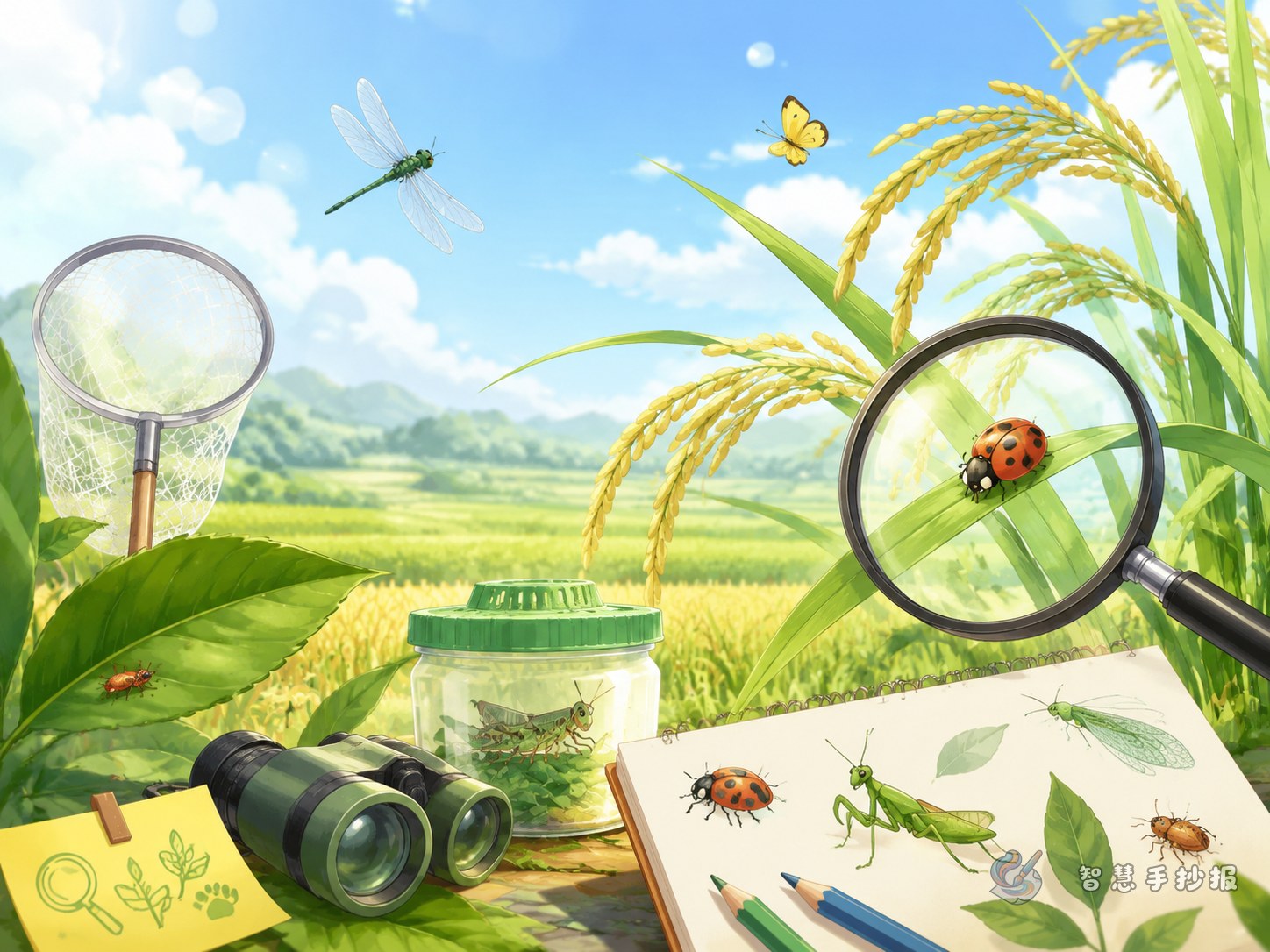
Add an “Insect Observation Card” with name, where it appears, what it eats, its effect on crops, and your judgment. This makes the poster clearer than a simple name list and gives it a science-observation feeling.
If you want to organize the title, sections, and layout more quickly, you can continue making your poster in the Zhihui Shouchaobao WeChat mini program and combine keywords such as “farmland insects,” “helpful and harmful insects,” and “observation card.”