Turn the Cornfield into an Insect Map
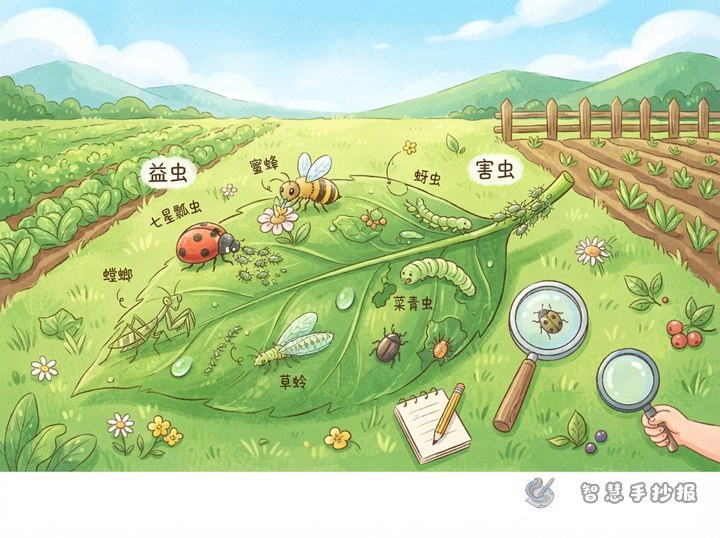
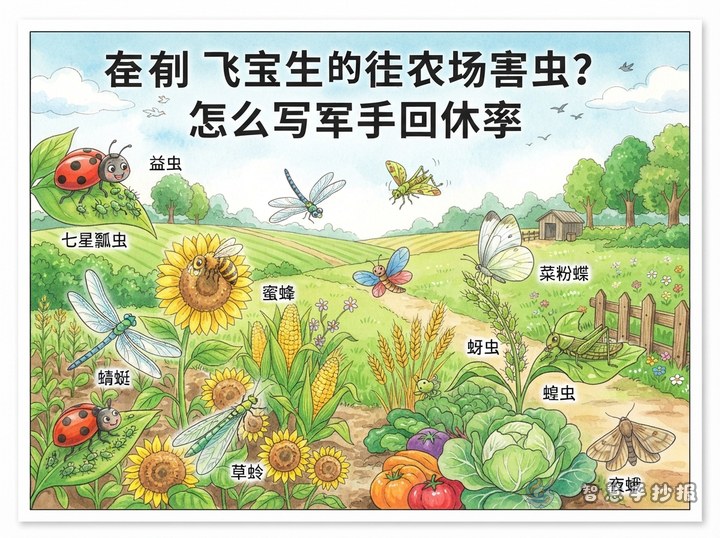
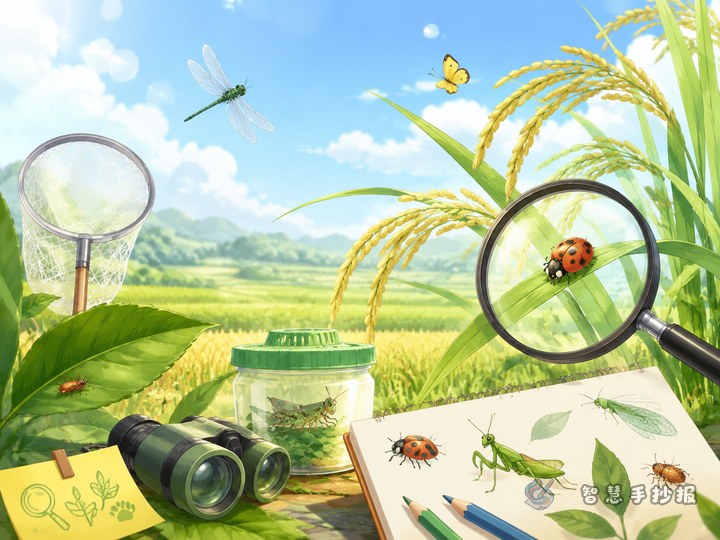
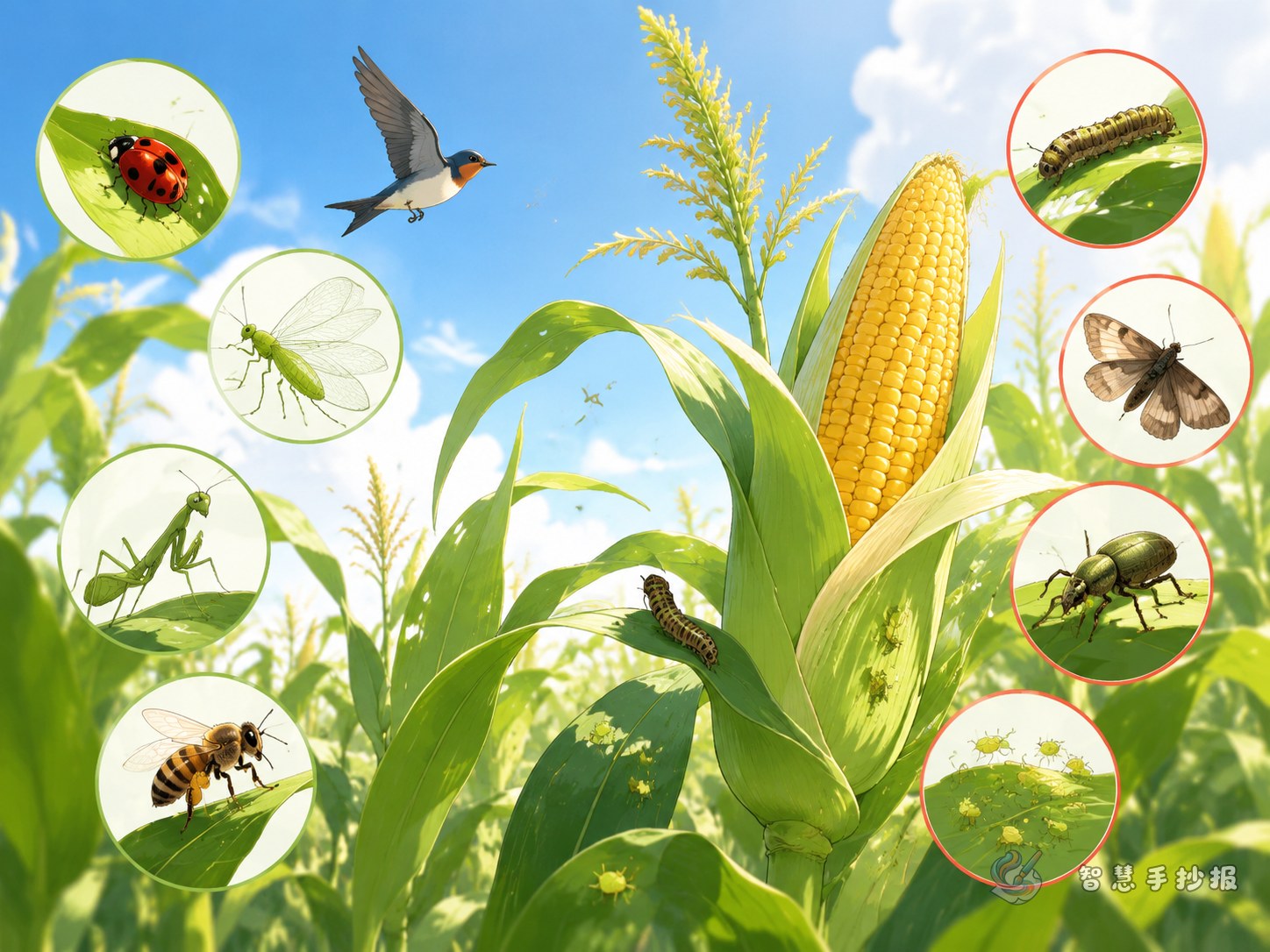
Instead of listing insect names only, imagine the whole page as a bright cornfield. Draw tall corn stalks in the center, place helpful insects on healthy leaves, and hide pest insects near stems, roots, or corn ears. Add a magnifying glass, a notebook, and small alert signs to make the poster easy to understand.
Possible titles include Insect Friends and Troublemakers in the Cornfield, A Little Insect Lesson from the Cornfield, or My Cornfield Insect Observation Poster.
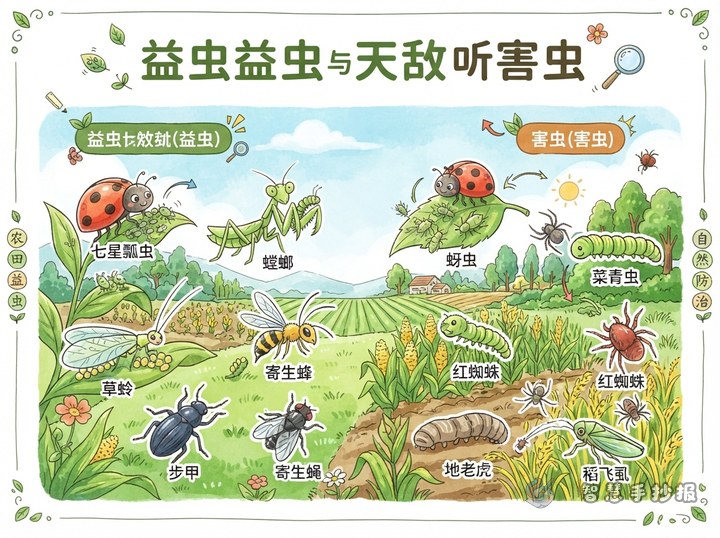
Helpful Insects: Small Guardians of the Field
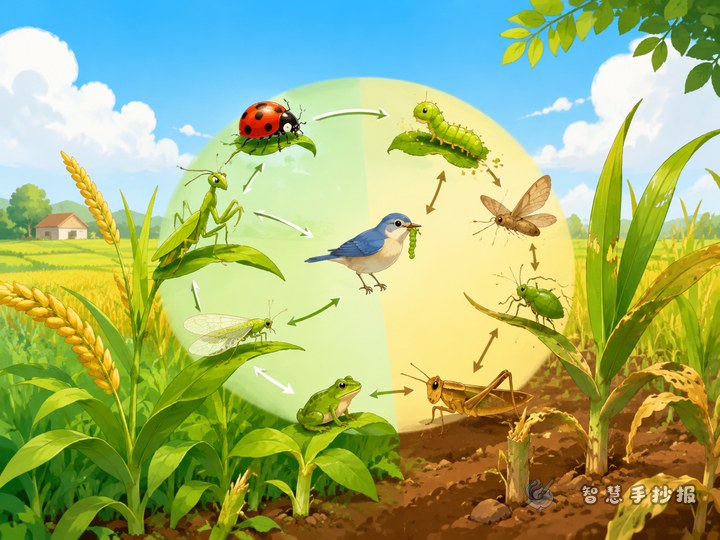
Beneficial insects are useful not because they look nice, but because they help keep the field balanced. You can introduce them with small “guardian cards.”
- Lacewing: Lacewing larvae feed on tiny pests such as aphids, so they can be called green hunters.
- Mantis: A mantis has strong front legs and catches many small insects in the field.
- Ladybug: Ladybugs often eat aphids. A red ladybug with black spots is also easy to draw.
- Spider: A spider is not an insect, but it is often seen in fields and can catch pests in its web.
Pest Insects: Warning Signs for Corn Growth
Pest insects may chew leaves, suck plant sap, or damage stems and ears. For a student poster, focus on the part of the plant they harm and the simple sign they leave behind.
- Corn borer: Its larvae may bore into corn stems or ears and damage the plant.
- Aphid: Aphids gather on young leaves or stems and suck plant sap, making plants weaker when there are many of them.
- Armyworm: Armyworms chew corn leaves and may leave notches or missing parts on the leaf edges.
- Cutworm: Cutworm larvae often stay near the soil and may cut young seedlings.
Short Text You Can Put on the Poster
Opening Lines
Many insects live in a cornfield. Some help protect crops, while others damage leaves, stems, or ears. By learning about them, we can observe nature more carefully and care for farmland better.
Knowledge Cards
- Beneficial insects and pests should be identified by what they do to crops, not by how they look.
- Protecting helpful insects also helps protect the natural balance of the field.
- When pests are found, observe where they appear and what damage they cause.
- Even a tiny insect has its own place in nature.
A Clear Layout Plan
- Top area: Write a big title and decorate it with corn leaves, clouds, and sunshine.
- Left side: Create a “Helpful Insect Team” with green cards for lacewings, mantises, and ladybugs.
- Right side: Create a “Pest Alert Station” with yellow or orange cards for corn borers, aphids, and armyworms.
- Center: Draw one large corn plant and place insects near leaves, stems, ears, and soil.
- Bottom area: Add “My Observation Tips” about protecting helpful insects and controlling pests wisely.
Finishing Touches for a Better Poster
Use green for healthy corn plants, yellow for ripe corn, and small red marks for pest warnings. Keep each insect description short: one feature and one effect are enough for a clear poster.
If you want to organize the title, sections, and writing materials more quickly, you can continue making the poster in the Smart Handwritten Poster WeChat mini program and turn the “Helpful Insect Team” and “Pest Alert Station” into a neat page.