
Turn the Page into a Field Notebook
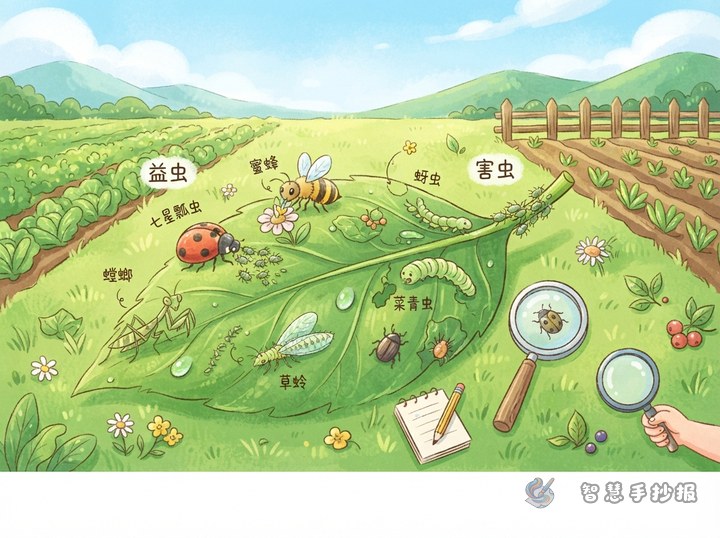
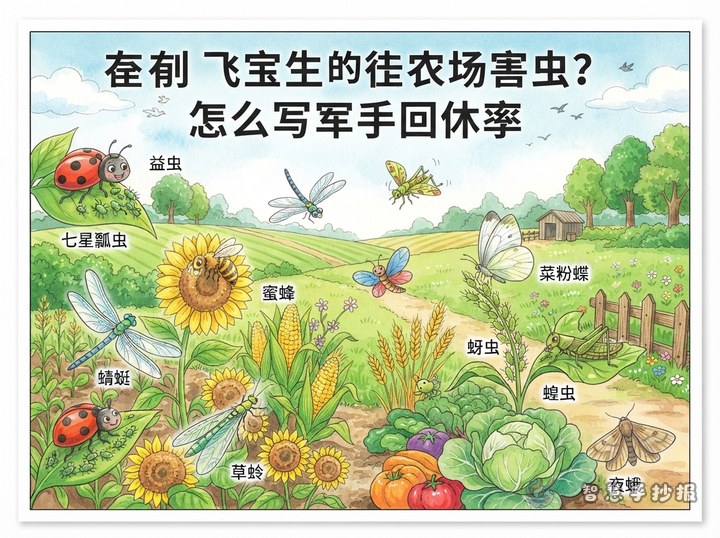
Instead of making the report look like a long science article, design it as a small trip to the edge of a field. Use a title such as My Farmland Insect Observation Diary and add a short subtitle like “Tiny creatures, big jobs in the field.” A winding path through the middle can connect the different observation areas.
Build Four Mini Observation Panels
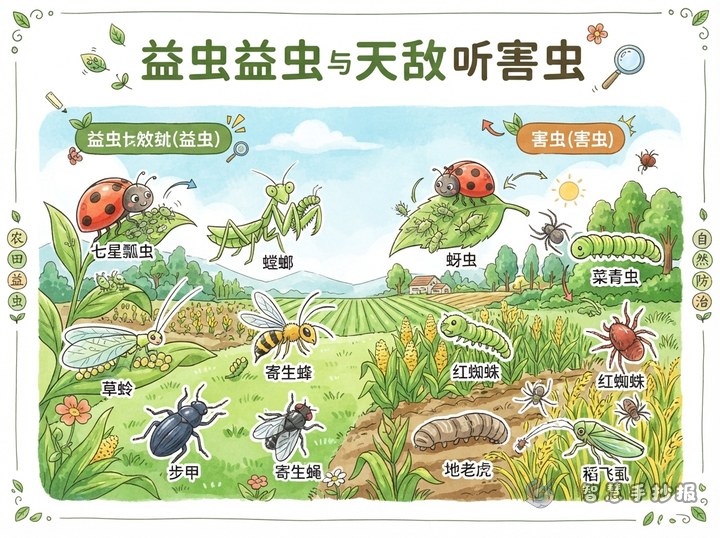
- A visitor near the flowers: the bee
I saw a bee moving from flower to flower. While collecting nectar, it carries pollen and helps some plants reproduce. Bees are hardworking helpers in farmland.
- A leaf guardian: the ladybug
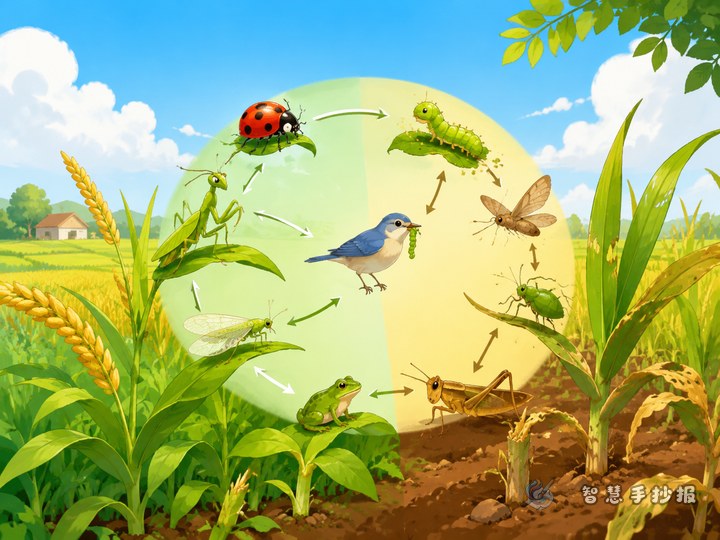
A ladybug has a red shell with black spots. It eats aphids, so it can help protect plants from tiny pests.
- A small leaf problem: the aphid
Aphids are tiny insects often found on young leaves and buds. They feed on plant sap and may cause leaves to curl or turn yellow.
- A jumper in the field: the grasshopper
Grasshoppers have strong back legs and can leap far. They eat leaves, and too many of them may affect crop growth.
Add Simple Insect ID Cards
Place a few small cards in the corners of the page. Keep each one short and easy to read:
- Name: Ladybug
- Appearance: Red wings with black spots
- Where it is found: Leaves, gardens, and field edges
- Role on the farm: Eats aphids and helps protect plants
Use the same format for the other insects to keep the layout neat.
Use Thoughtful Words About Insects
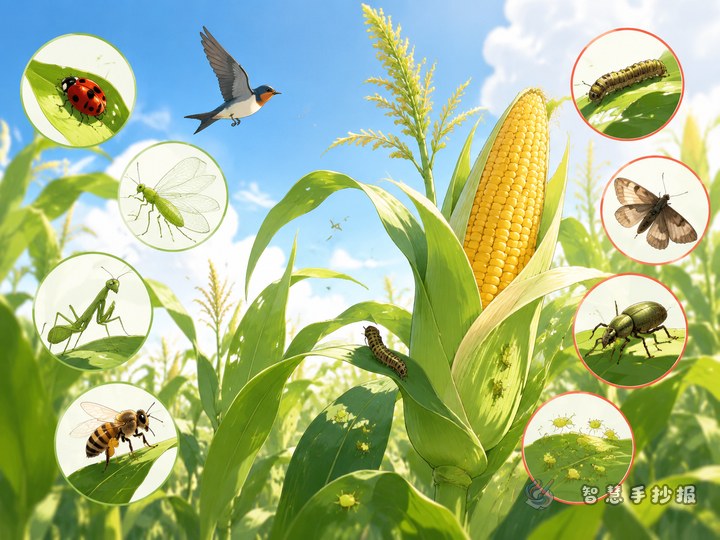
Do not describe every insect as simply good or bad. A useful line for the report is “Learn about insects and protect farmland wisely.” Beneficial insects should be protected, while pest problems should be handled with guidance from adults, teachers, or growers.
Drawing and Layout Ideas
- Draw a bright sky, a sun, and distant crop rows across the top.
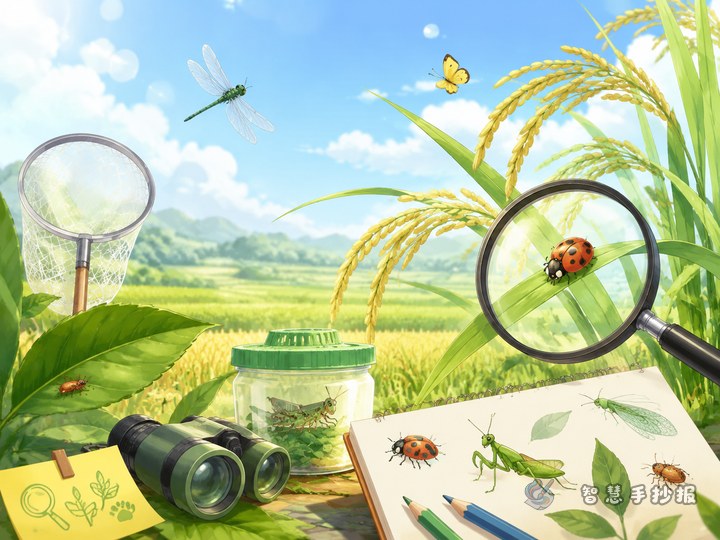
- Make the observation panels look like magnifying glasses, sticky notes, camera frames, or leaves.
- Use small green shields or smiley faces near beneficial insects, and show gentle leaf-damage details near pests.
- Choose green, yellow, and light brown as the main colors, with red accents for ladybugs, flowers, and key words.
A Strong Closing Line
Every small insect has its own way of living in the field. By observing carefully, telling insects apart, and protecting helpful species, we can help crops grow well. After planning the content, students can use the Smart Handwritten Report WeChat mini program to refine the title, sections, and colors for a complete project.