Build the theme around an early autumn morning
White Dew is a strong topic for a handwritten newspaper because it combines a clear seasonal change with visible field details. Instead of writing only a definition, students can focus on morning dew, ripening crops, and changing countryside colors. This makes the page feel lively and closer to real observation.
Good titles include “Fields in White Dew,” “My White Dew Morning Notes,” or “What I See in White Dew Season.”
Ready-to-use content sections
Solar term facts
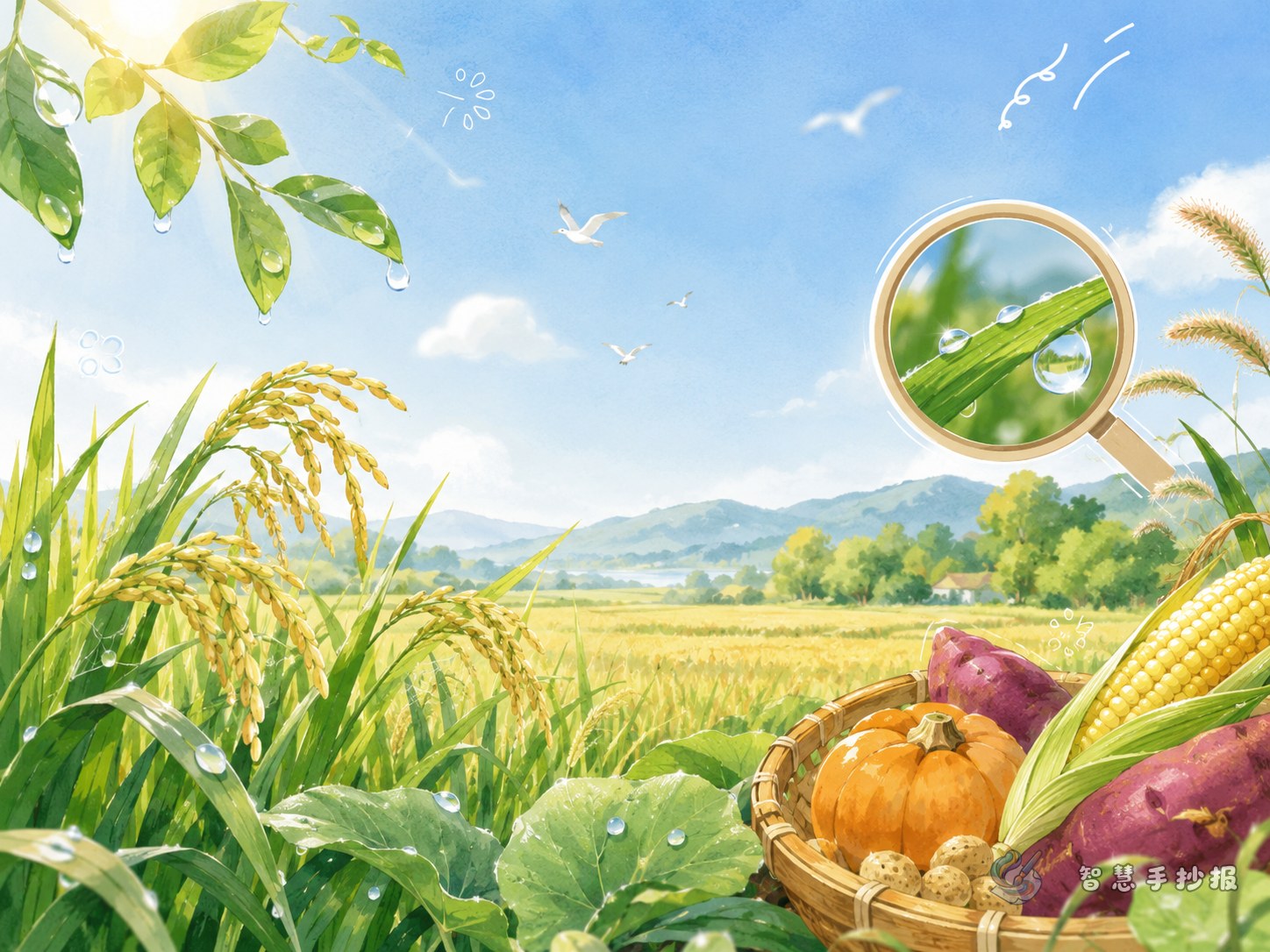
During White Dew, the weather becomes cooler, especially in the morning and evening. As moisture meets cooler air, tiny drops of dew often appear on grass and leaves. That is why this solar term is called White Dew.
Crop changes
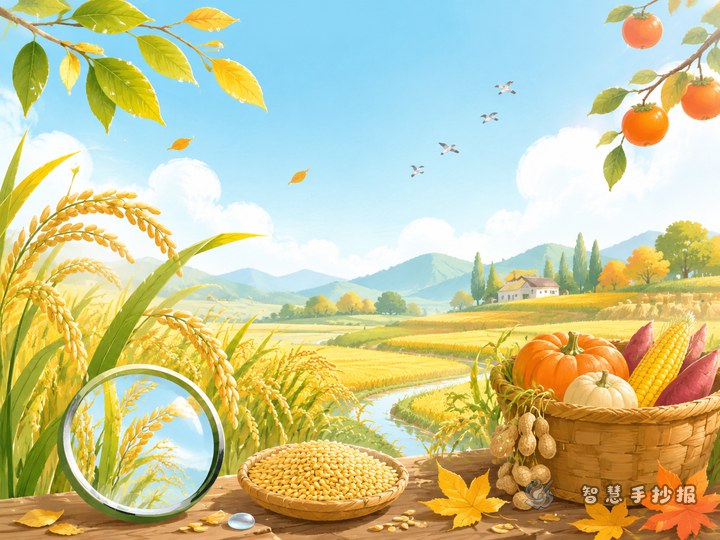
- Corn becomes fuller and more mature.
- Cotton begins to open and looks like little white clouds in the field.
- Peanuts approach harvest time and may be dried after being gathered.
- Late rice continues growing and needs careful field management.
- Autumn vegetables develop quickly and make gardens look busy.
Morning observation sentences
- The grass is covered with tiny drops of dew that shine like pearls.
- A light wind moves through the rice leaves, bringing a fresh earthy smell.
- As the sun rises higher, the dew slowly disappears.
- The countryside in White Dew feels cooler, calmer, and more refreshing than in summer.
Make it feel like a real observation record
To avoid making the page sound like copied facts, add a short section called “What I noticed today.” It can be simple and still effective.
- What I saw: dew, corn, vegetable plots, rice fields.
- What I felt: cooler air, softer sunlight, fresher wind.
- What I thought: autumn is getting closer, and the fields are becoming busier.
This style is easy for primary school students and adds a natural, personal touch.
Try a dew-drop inspired layout
You do not have to use a standard straight-column design. A creative choice is to place the title in the center and spread the sections around it like drops of dew. For example, put solar term facts in the upper left, crop changes in the upper right, observation notes in the lower left, and short quotes in the lower right.
- Use light blue, soft green, and pale yellow for a fresh morning feeling.
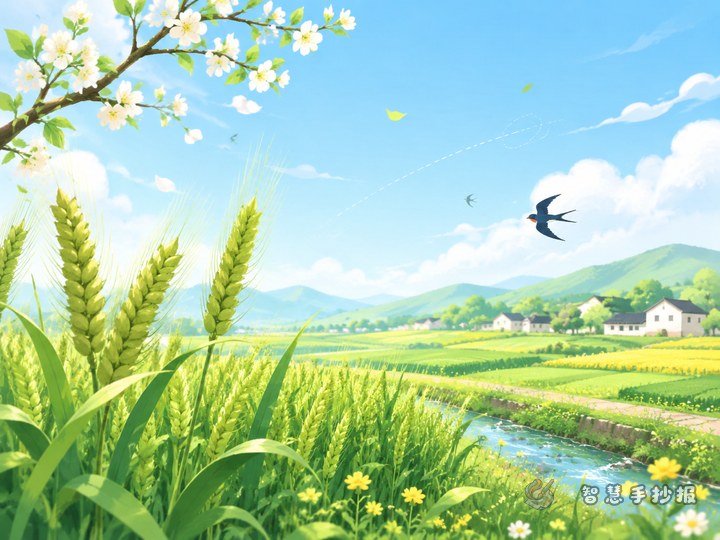
- Draw dew drops, rice ears, leaves, fences, and vegetable beds as borders.
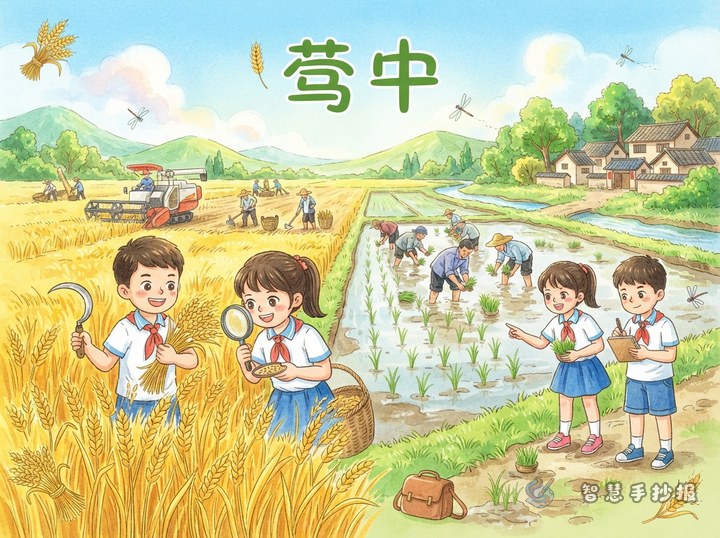
- Small illustrations can include corn, cotton, rice fields, and the rising sun.
Short lines to finish the page
These brief lines can help fill blank spaces and strengthen the mood of the poster.
- White Dew arrives, and the fields slowly change into autumn colors.
- One drop of dew, one hint of harvest, one quiet countryside morning.
- In the early field light, autumn begins to show its shape.
A good ending could say that White Dew is not only a solar term but also a lovely time to observe nature and farming life. When students combine what they know, what they see, and what they draw, they can create a handwritten newspaper that is both informative and beautiful. If they want to keep refining the layout and design, they can continue in the Wisdom Handwritten Newspaper WeChat mini program.