Start with the theme: show what changes in the countryside during Xiaoman
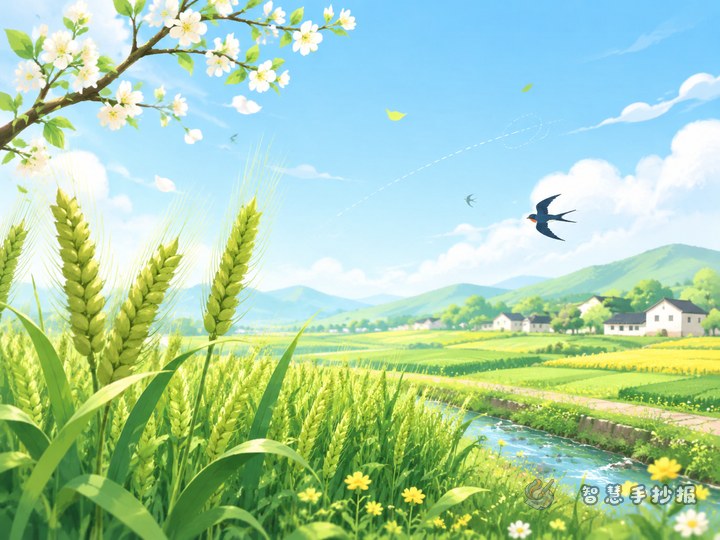
Xiaoman, or Grain Buds, is a great topic for a handwritten newspaper because it highlights crops becoming fuller and fields growing busier. The page can focus on ripening wheat, growing rice seedlings, increasing rain, and the lively rhythm of farm work. This makes the poster both seasonal and easy for children to understand.
If you want the project to feel more personal, you can shape it as “What I See in Xiaoman,” “Farm Life in the Xiaoman Season,” or “Countryside Notes for Xiaoman.” These angles are easier for students to write and decorate.
Useful sections to place on the page
- Solar Term Facts: explain when Xiaoman arrives, what its name means, and what the weather is usually like.
- Field Observation: describe changes in wheat, rapeseed, mulberry leaves, rice paddies, or fruit trees.
- Farm Work Corner: write simple notes about watering, weeding, pest care, and managing the fields in time.
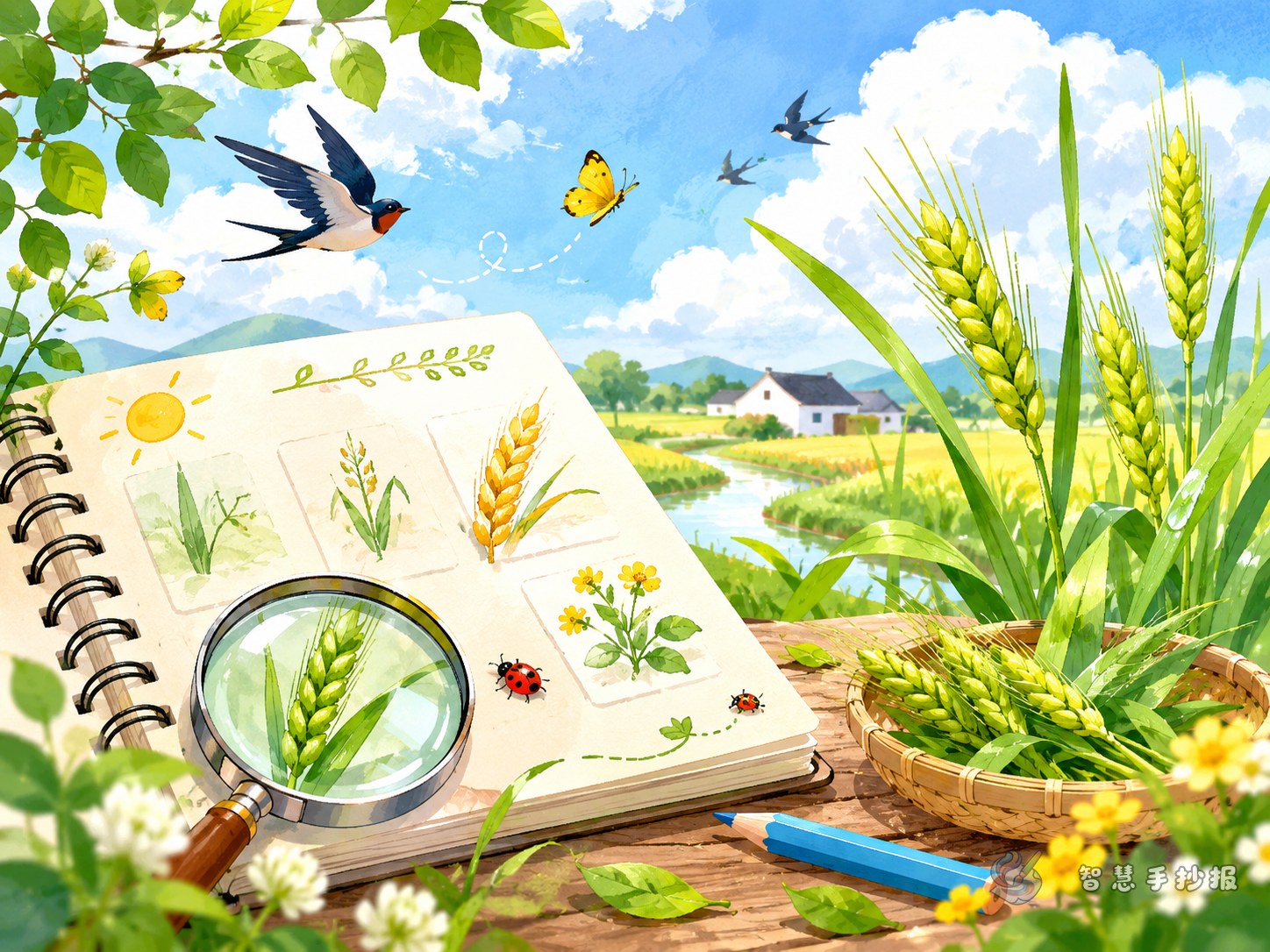
- My Nature Notes: add short personal observations about wind, insects, clouds, or the colors of the fields.
- Seasonal Sayings: include two or three short proverbs related to Xiaoman or farming.
With sections like these, the poster feels organized, lively, and suitable for classroom display.
Text ideas you can use directly
Xiaoman is the second solar term of summer. It means the grains of summer crops are becoming plump, but they are not fully ripe yet. During this time, the countryside changes from fresh green to deeper green and golden shades. Farmers often pay close attention to watering, weeding, and caring for crops according to the weather. For students, Xiaoman is not only a solar term in a textbook, but also a chance to observe nature and learn about agricultural life.
You can also add a short poetic sentence such as: Xiaoman is not full completion, but the beautiful moment when everything is still growing. This kind of line works well near the title or in a side box.
Short lines for decoration
- Xiaoman arrives, the grains grow fuller, and the fields grow busier.
- In the summer wind, crops quietly grow under the sun.
- Xiaoman is a perfect season to read the changes written in the fields.
- From one seedling to a green field, growth comes from both season and labor.
How to arrange the layout
A good layout is title at the top, observation notes in the center, and supporting sections around them. Place a bold main heading at the top, then decorate it with wheat ears, rice seedlings, clouds, sunshine, and small insects. In the middle, create a larger box for field observation notes so the page has a clear focus. Add solar term facts and farm knowledge on the left and right sides to balance the page.
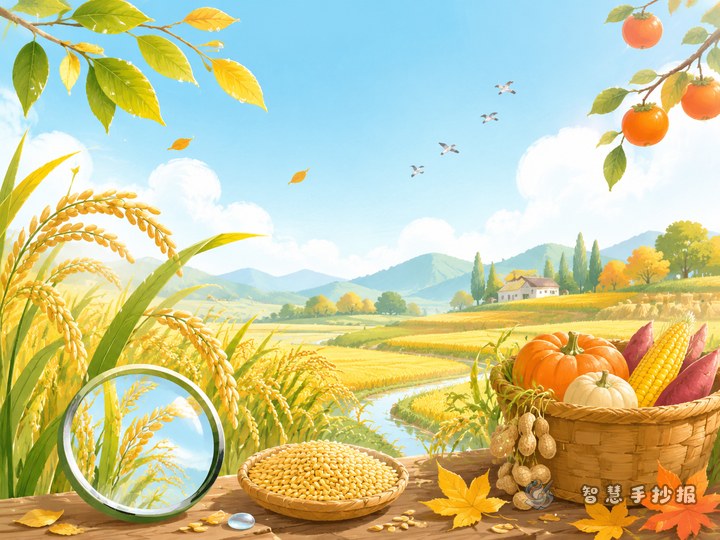
For colors, light green, wheat yellow, sky blue, and a little orange work very well. Borders can include vines, leaves, field lines, or simple fences to create a countryside mood. Keep the handwriting neat so the page is easy to read.
How to make the poster more personal
The easiest way is to include real observations, such as “I saw the wheat bending lower,” “The vegetable patch looked greener after rain,” or “My grandfather said Xiaoman is a busy time for field care.” Personal details make the handwritten newspaper feel more vivid and authentic.
If you want to keep improving your layout, adjust sections, or try a cleaner design style, you can continue creating in the Zhihui Shouchaobao WeChat mini program for more ideas and page-making help.