Start with a school-life situation students recognize
The best rainy day traffic safety handwritten newspaper does not just list general rules. It should help students picture their real trip to and from school. A theme like safe travel on a rainy school day feels more specific and useful than a broad safety title.
You can open with a short introduction explaining that rainy weather brings slippery roads, poor visibility, and slower braking for vehicles. This gives the whole page a clear focus.
Build the page around four practical sections
1. Walking safely in the rain
- Use the sidewalk and avoid running near puddles
- Stop and check traffic before crossing
- Do not let an umbrella block your view
- Walk slowly when shoes or roads are slippery
2. Waiting for and riding vehicles safely
- Wait in line and stay away from the road edge
- Do not get on before the vehicle stops fully
- Do not push others inside the vehicle
- Hold the handrail when getting on or off
3. Risky actions to avoid
- Do not dash across the street just to avoid getting wet
- Do not run through intersections
- Do not play near parked or moving vehicles
- Do not look down while walking
4. Easy safety lines to remember
You can add a short rhyme such as Rainy roads are slick, so walk with care; umbrellas may block sight, so always look ahead; cars need more space to stop, so cross only after checking.
Write content that feels practical, not empty
This topic works best with short but specific tips. Instead of using only broad slogans, add lines like “walk around deep puddles,” “do not rush at turning corners,” “bright raincoats are easier to notice,” and “queue up before boarding.” These details make the newspaper more useful and easier for children to remember.
If you still have space, add a small box called What I can do today and list three to five simple habits students can follow every day.
Create a rainy mood without making the page messy
Blue and light gray can show the weather theme, while yellow can highlight important reminders. Place the main title in the center, put walking tips on one side and riding tips on the other, and leave the bottom area for slogans or a reminder box.
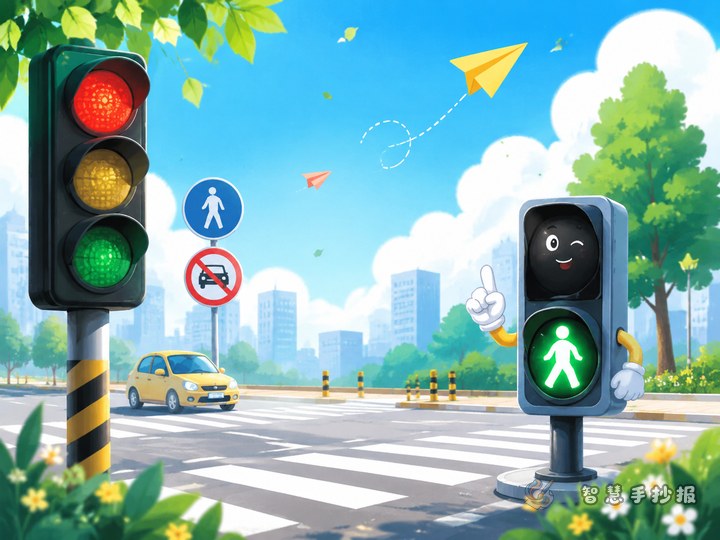
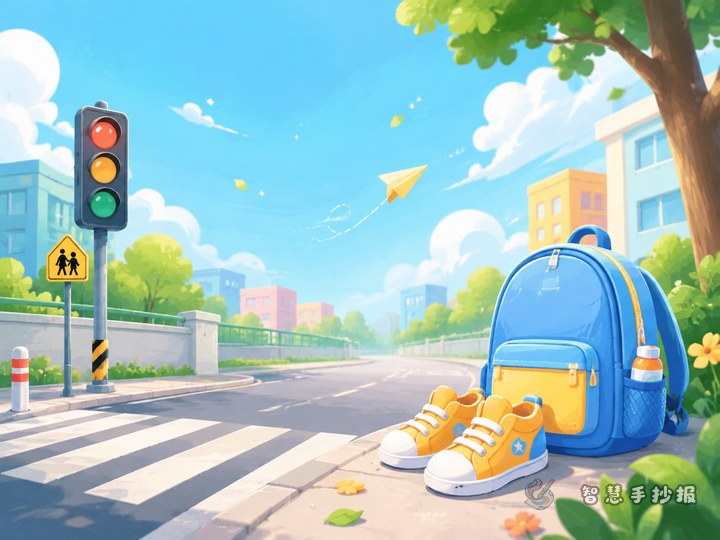
- Decorate with raindrops, clouds, umbrellas, or traffic lights
- Use highlight boxes for key words
- Keep section titles short and easy to read
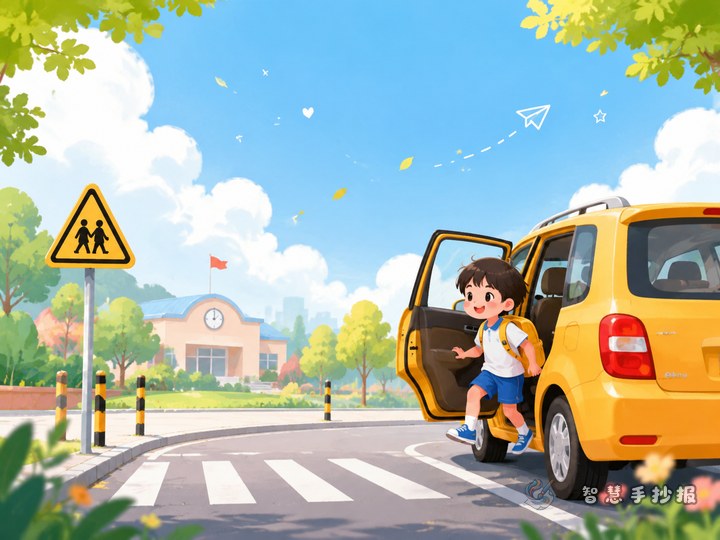
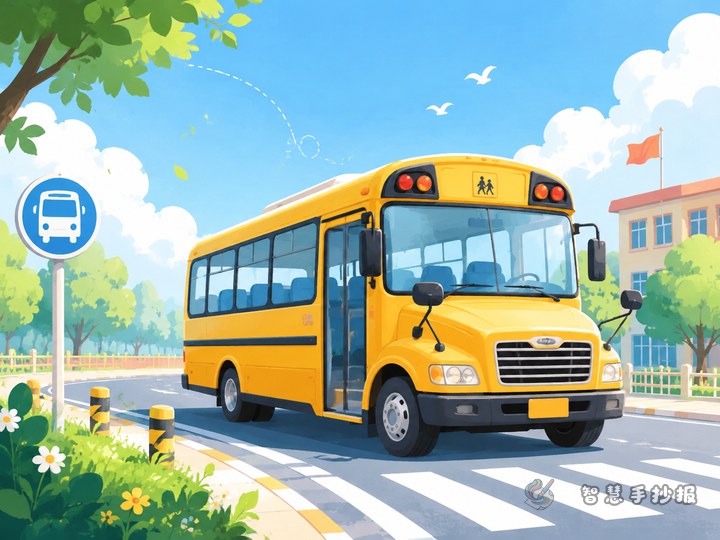
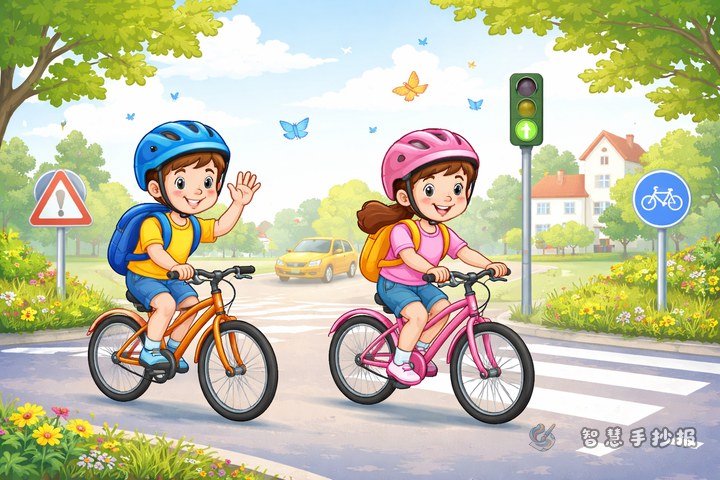
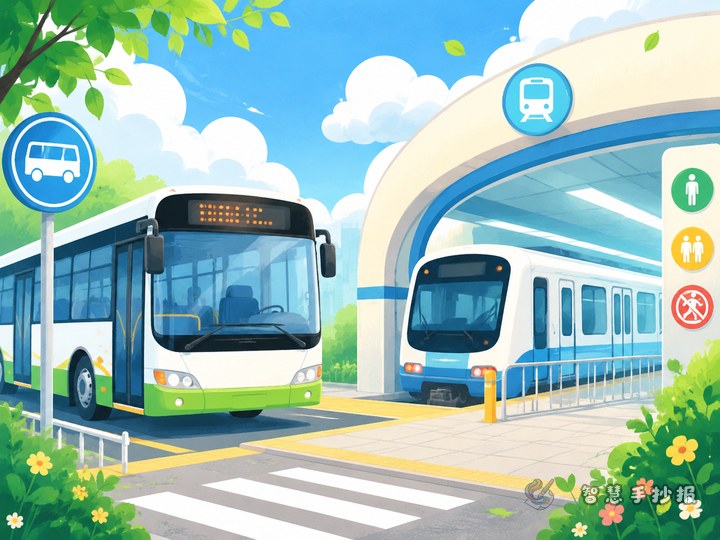
- Draw simple pictures of students in raincoats, crosswalks, or buses
Short lines students can copy directly
Walk slowly in the rain, and check both sides before crossing.
Do not rush for one quick step; every safe step matters.
Line up before boarding, and look carefully after getting off.
An umbrella keeps off the rain, but it should not block your safety view.
If you want to keep improving the arrangement, spacing, and final page effect, you can continue designing it in the Zhihui Shouchaobao WeChat mini program.