Build the page around a real museum experience
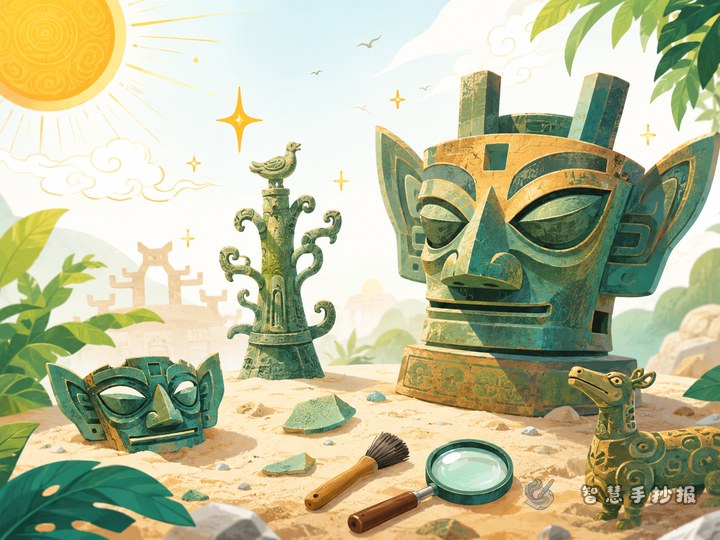
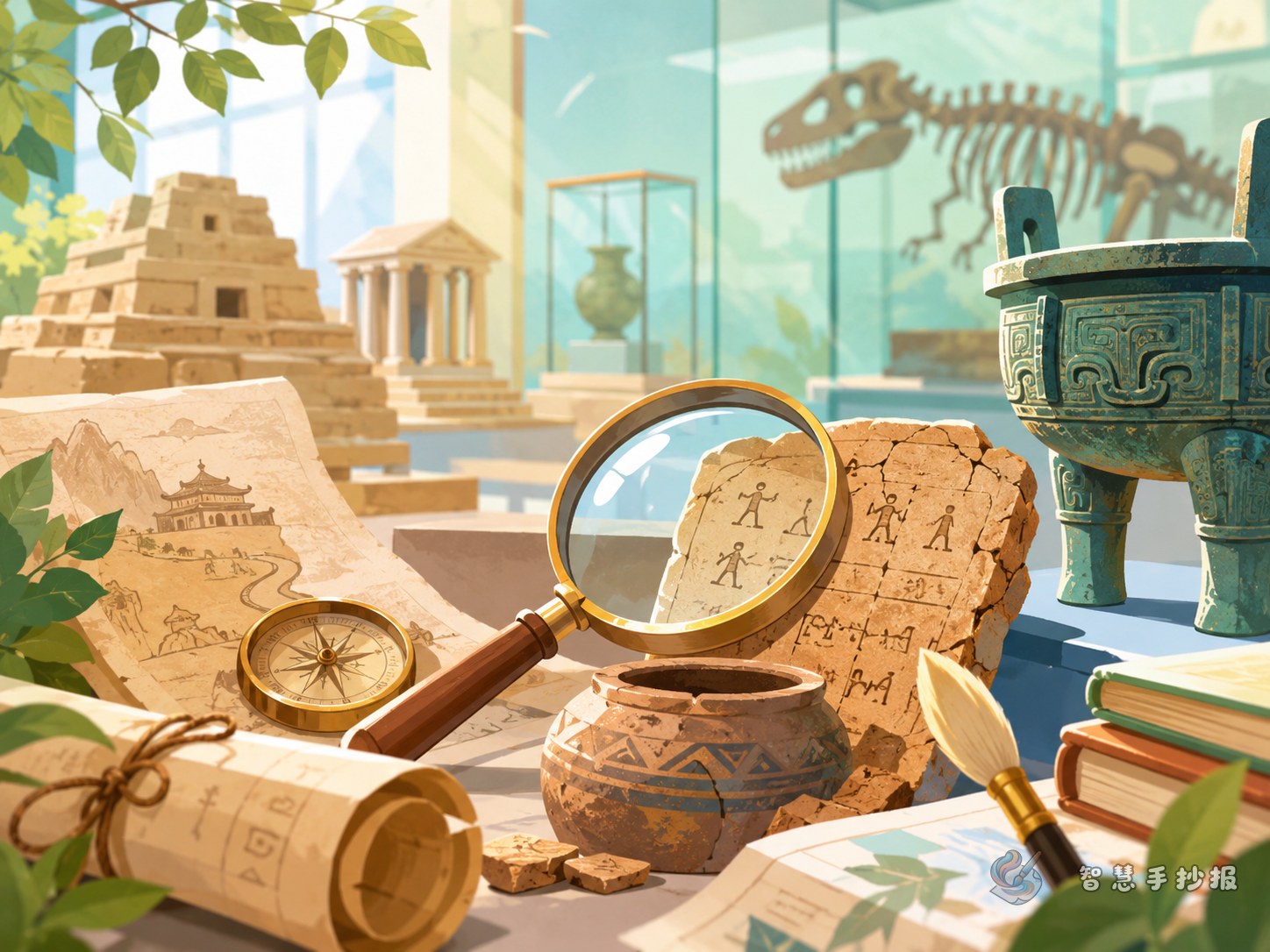
A museum study tour poster works best when it feels like a learning journey instead of a plain information sheet. You can begin with where you went, what kind of museum it was, and which exhibit area impressed you most. This gives the whole page a clear theme and a natural story line.
Useful sections that are easy to arrange
- Study Tour Route: Write two or three stops from the visit in order.
- Artifact Mini Profile: Pick one important relic and note its name, era, material, and use.
- History Clue Corner: Explain what this artifact helps us understand about past life or technology.
- My Observation: Add one short personal reaction, such as what surprised you most.
- Museum Manners: Include reminders like no touching, no loud talking, and careful viewing.
Short writing materials students can use
You may write sentences such as: “A museum is like a doorway to the past.” “Artifacts do not speak, but they record real history.” “Every discovery helps us understand how people lived long ago.” “Protecting cultural relics means protecting our shared memory.” These lines are easy to copy into a student poster.
How to create a sense of discovery
Use a timeline, clue arrows, or a “before we knew / after we found” comparison. For example, explain that one artifact can show clothing styles, craft skills, or daily habits of an earlier time. This method makes the page feel thoughtful and connected to history.
Simple layout ideas for a neat result
You can place the title in the center top, the study route on the left, artifact notes in the middle, and reflections on the right. A bottom strip can be used for museum manners or a short closing statement. Colors such as brown, dark green, brick red, and parchment yellow can match the museum theme well.
Final polishing before class display
Check whether every section is short, clear, and easy to read. Keep key words slightly highlighted and avoid making the page too full. If you want to continue adjusting fonts, blocks, and decorative elements, you can enter the WeChat mini program Zhihui Shouchaobao to finish a more complete handwritten newspaper design.