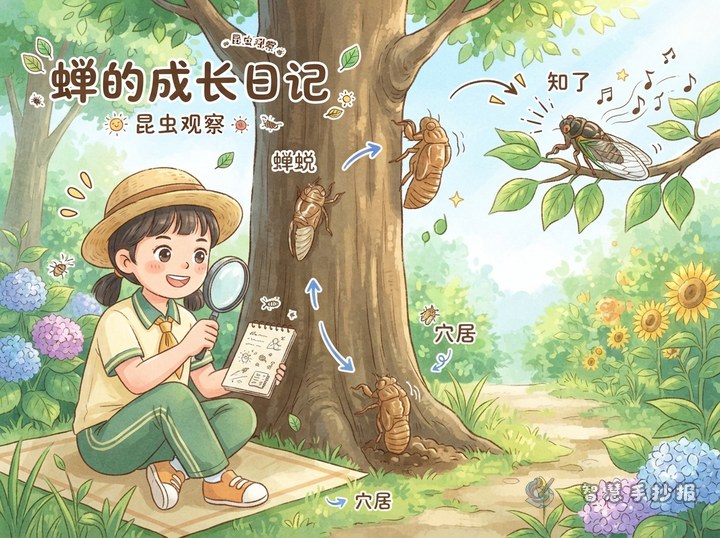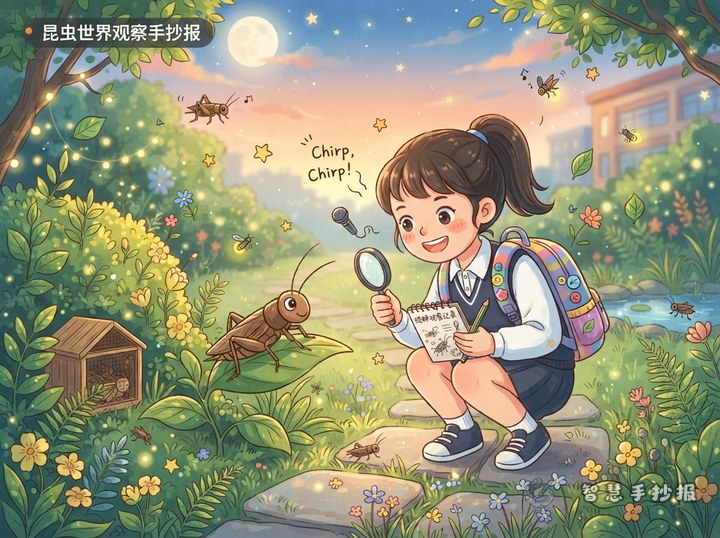
Start with a growth-observation theme
A silkworm poster becomes easier to write when the main idea is watching how silkworms grow. Instead of listing random facts, give the poster a clear line of thought. Titles like “My Silkworm Observation” or “The Growth Journey of a Silkworm” make the project feel more personal and focused.
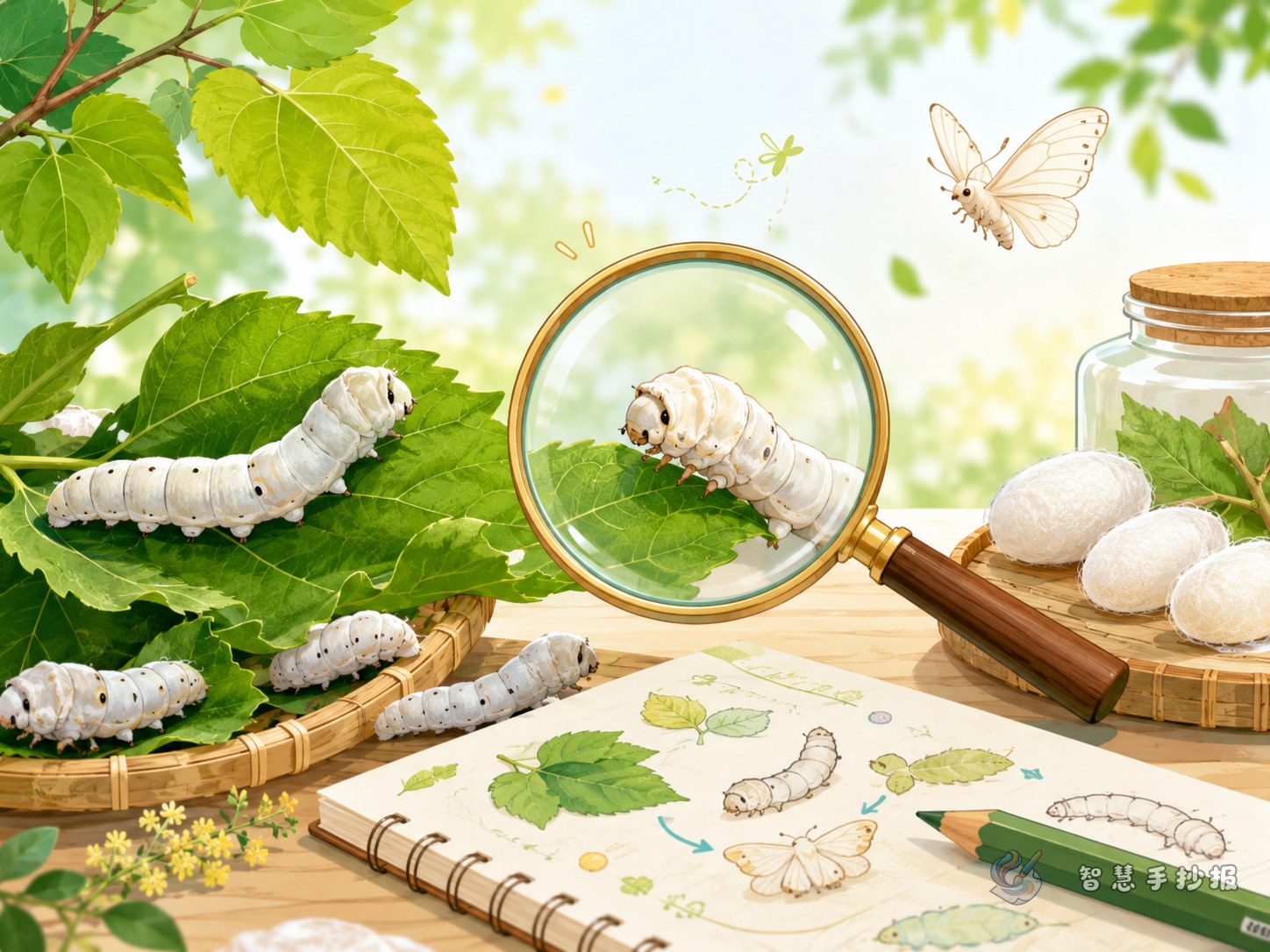
You can place a drawing of a silkworm and mulberry leaves in the center, then build the sections around it. This makes the whole page feel balanced and connected to the observation theme.
Useful sections to include
Growth stages
This is the key section. Write the stages in order: egg, larva, molting, spinning silk, cocoon, and moth. Add arrows between them so readers can follow the life cycle easily.
Appearance and habits
Describe the silkworm’s soft body, changing color, love of mulberry leaves, and slow movement. Keep the writing short and clear.
Observation notes
This section makes the poster feel real. Students can write things like “Today I noticed the silkworm was bigger than yesterday” or “It moved slowly after eating leaves.”
Fun facts
Add simple information such as why silkworms spin silk, what cocoons are used for, or why clean care is important.
Ready-to-use writing ideas
- Appearance: The silkworm has a soft body with many small segments and often stays near mulberry leaves.
- Habits: It likes fresh mulberry leaves and eats quietly for a long time.
- Growth: As it grows, it sheds its skin and later spins silk to make a cocoon.
- My feeling: Even though a silkworm looks small, its growth process is amazing and teaches me to observe patiently.
If there is extra space, add a short closing line such as “Careful observation helps us discover the wonders of nature.”
Try a timeline with mini record cards
This topic works especially well as a horizontal timeline. Show the stages from left to right and place small icons between them. In the corners, make tiny record-card boxes for date, change, and discovery. This gives the poster a more authentic observation style.
For colors, light green, cream, and soft orange work nicely because they match mulberry leaves, cocoons, and a natural classroom theme. Decorations can stay simple with leaves, vines, and cocoon shapes.
Small details that make the poster better
- Use rounded lettering for the title to match the gentle look of silkworms.
- Show size changes with small to large dots or drawings.
- Add a “My Discovery” box in one corner for the most interesting observation.
- Keep each section to a few sentences so the page does not feel crowded.
If you want more layout inspiration and poster-making ideas, you can continue designing in the Zhihui Shouchaobao WeChat mini program.