Start with a clear theme: anti-fraud means practical action
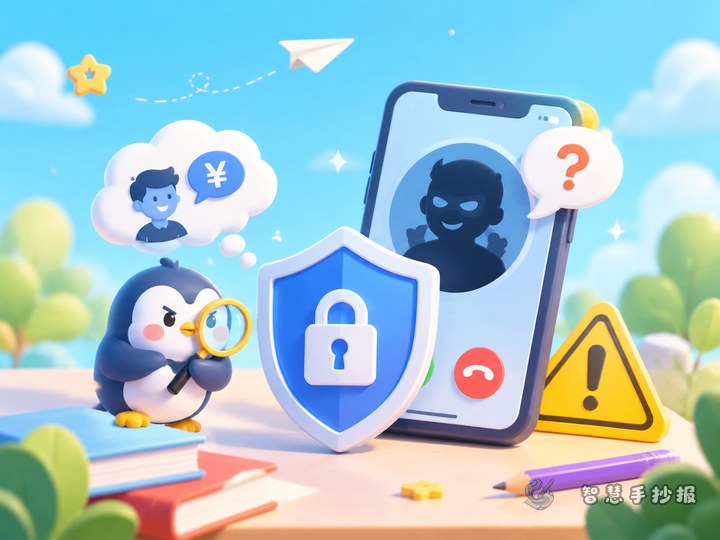
This handwritten newspaper works best when it focuses on “What should I do when I get a call from a stranger?” Instead of using broad slogans, this angle helps students remember specific steps. It is also useful for parents and teachers who want a simple classroom or home safety topic.
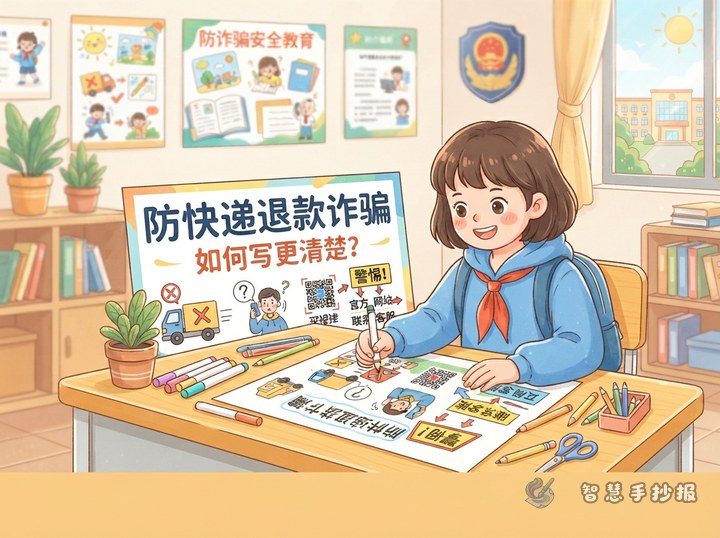
A layout idea that is easy to read
- Center title area: Use a headline such as “What Should I Do When I Get a Stranger Call?” or “Phone Scam Safety Guide”.
- Left section: Show common scam situations, such as fake prize calls, fake customer service, fake teacher calls, or urgent money requests.
- Right section: List response steps like stay calm, share nothing, send no money, and verify first.
- Bottom section: Add short reminders, warning lines, and safety tips that are easy to memorize.
Blue, yellow, and a small amount of red can make the page look clear and energetic. Blue suggests safety, yellow highlights key points, and red can mark warning words.
Useful text students can copy onto the page
Common scam phrases
- “You won a prize. Claim it now.”
- “Your account has a problem. Verify your information immediately.”
- “I am customer service. Transfer money first for a refund.”
- “Your family member is in trouble. Send money right away.”
Four safe response steps
- Stay calm and do not panic when the caller sounds urgent.
- Do not share your name, address, bank details, passwords, or verification codes.
- Do not follow instructions blindly or agree too quickly.
- Hang up and ask parents, teachers, or official channels to verify the situation.
Warning lines for the poster
- Be careful with strange calls and always check money-related claims.
- A verification code is like a key, never give it away.
- Even if the caller sounds urgent, talk to family first.
- Do not trust unknown calls easily; safety comes first.
Decorations that fit the topic
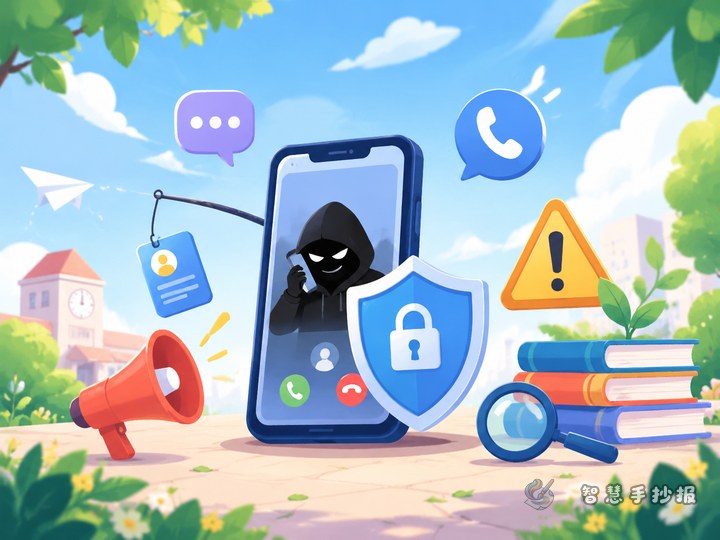
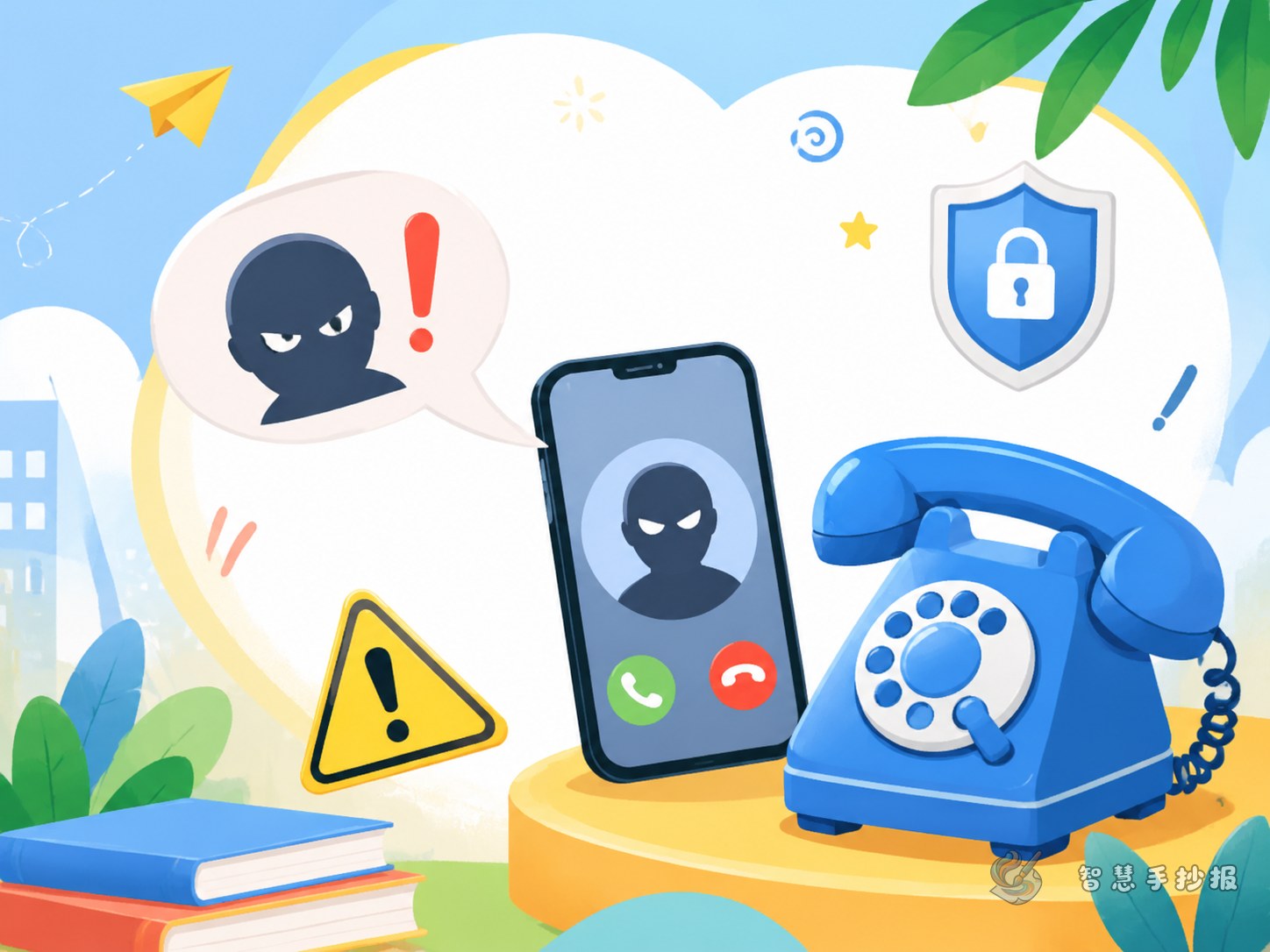
You can add simple drawings such as a phone receiver, shield, magnifying glass, warning sign, or a student safety guard character. Borders can look like phone wires or speech bubbles. To make the page more interactive, add a “What would you do?” section with two or three short situations.
- Situation 1: A stranger asks for your verification code after saying you won a prize.
- Situation 2: Someone claims to be customer service and asks you to share your screen.
- Situation 3: A caller pushes you to transfer money immediately.
The safest answer in all cases is simple: do not trust, do not act, verify first, and ask an adult for help.
A simple ending line
You can end with a short summary such as “Fraud prevention begins with checking every strange call carefully.” If you want to keep improving your layout, title design, and decorative details, you can continue creating your handwritten newspaper in the WeChat mini program by Zhihui Shouchao Bao.