Start with the purpose of the page
A telecom fraud prevention handwritten newspaper should help students understand risks quickly, not overwhelm them with too much information. Before writing, decide whether it is for a classroom wall, a safety lesson, or a student contest. For younger readers, the best focus is on clear actions such as do not trust easily, do not click, do not share codes, do not transfer money, and ask an adult first.
Four kinds of content that fit this theme well
1. Common scams
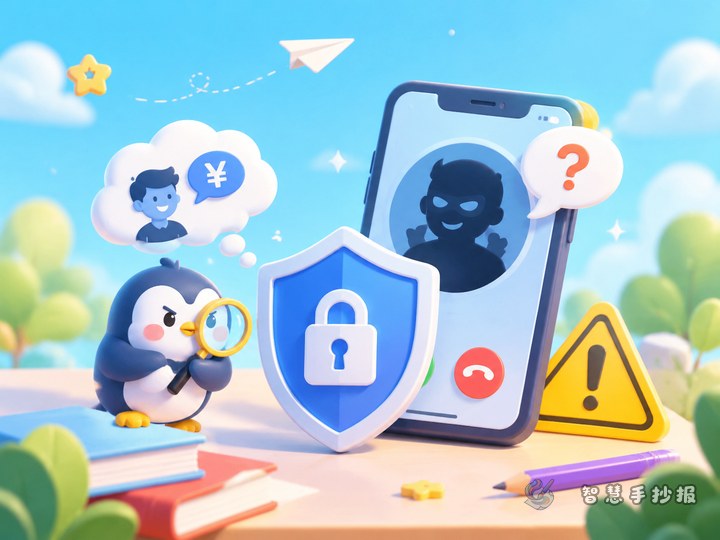
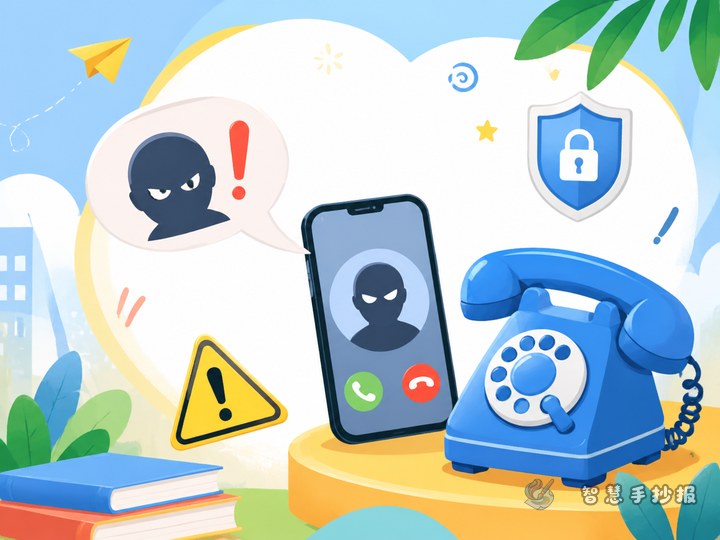
- Calls pretending to be teachers, police officers, or customer service
- Messages claiming you won a prize or need to fix an account problem
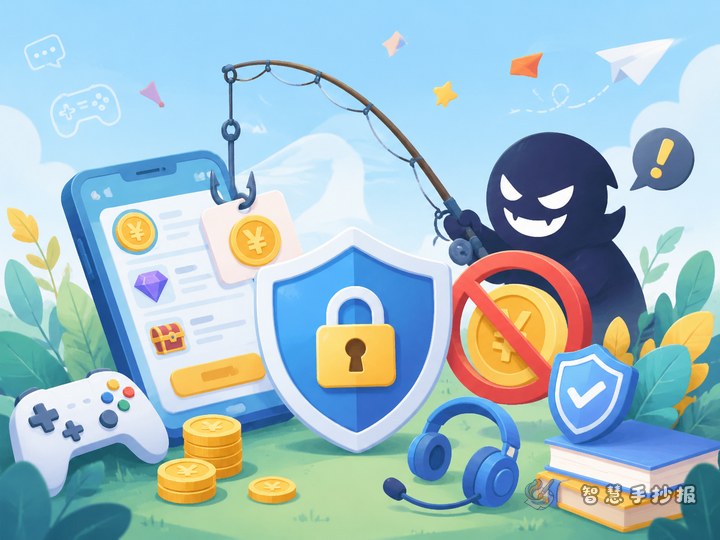
- Game recharge offers and fake rewards
- Online strangers or fake friends asking for money
2. Key prevention rules
- Do not believe unknown calls or messages right away
- Never give out bank details, passwords, or verification codes
- Do not open suspicious links
- Check with parents or teachers before taking action
3. What to do if something feels suspicious
- Stop the conversation or operation immediately
- Keep the message, screenshot, or call information
- Tell a parent or teacher at once
- Seek official help when needed
4. A short slogan to remember
You can write: Unknown calls may sound urgent, but stay calm; never share codes, never rush to transfer money, and never click suspicious links.
Section titles you can use directly
- Scams Around Us
- I Am an Anti-Fraud Safety Guard
- What to Do with Strange Messages
- Common Telecom Fraud Tricks
- Five Things Not to Do
- Safety Reminder Corner
You do not need too many sections. Three or four well-organized blocks are enough for a neat and readable school project.
How to write useful text materials
This topic works best with warning-style sentences. For example: Even if a stranger sounds serious or urgent, do not trust them at once. If someone asks you to keep a secret or transfer money quickly, be extra careful. Any request for passwords or verification codes should be checked first. If an online offer says free gift, cashback, or prize, ask a parent before doing anything.
You can also add a short closing note: Fraud often uses fear, curiosity, or greed to trick people. Staying calm and asking for help are important ways to protect yourself and your family.
Layout ideas that make the message clearer
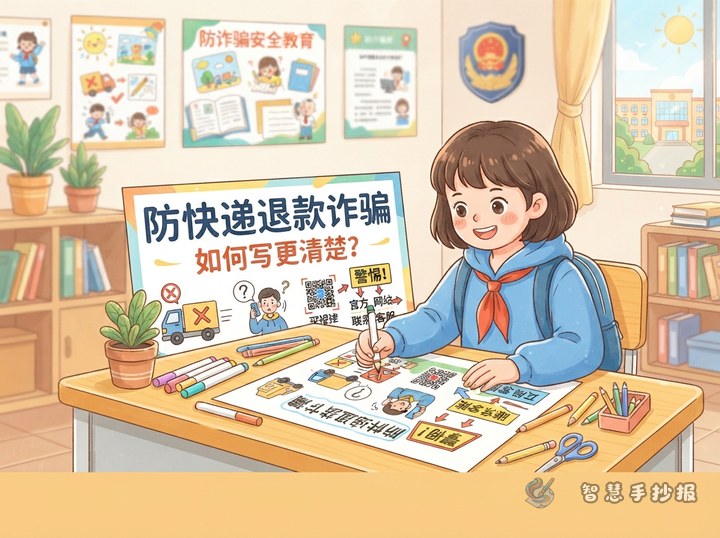
Use a clean layout with a large main title in the center and two or three content blocks around it. Put a slogan or emergency steps at the bottom. Colors such as yellow, blue, and a little red can create a warning effect, but leave enough blank space so the poster does not feel crowded.
- Make the main title bigger than the rest
- Bold key words like verification code, transfer, and suspicious link
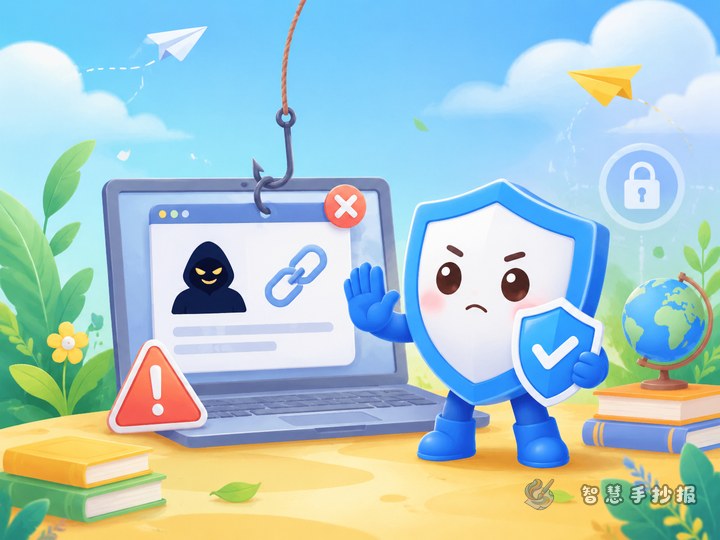
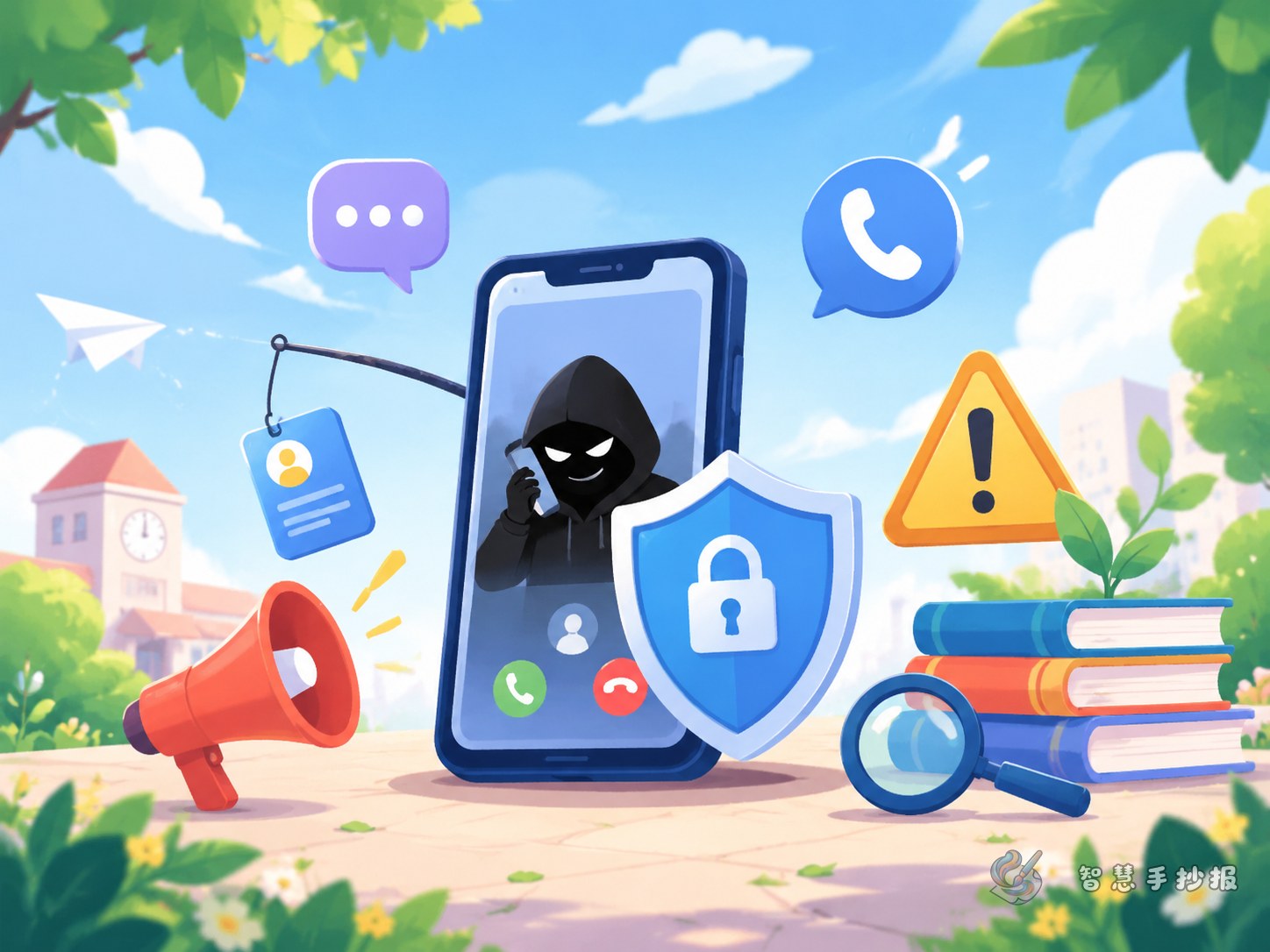
- Decorate with simple phones, message boxes, shields, and alert marks
- Keep enough space between sections for easy reading
A strong ending for classroom display
You can finish with a line such as: Stay alert, protect yourself, and remind your family to stay away from scams. This gives the whole handwritten newspaper a clear message. If you already have the text but want a cleaner layout and a better final presentation, you can continue making it in the Smart Handwritten Newspaper WeChat mini program.