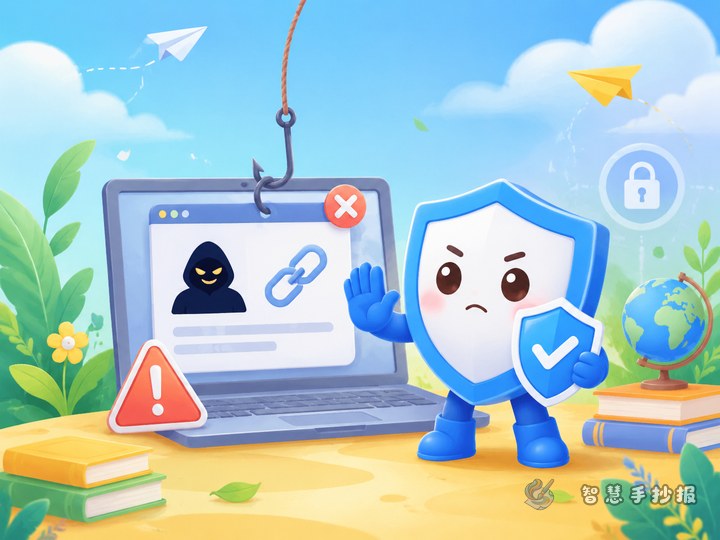
Start with the real audience
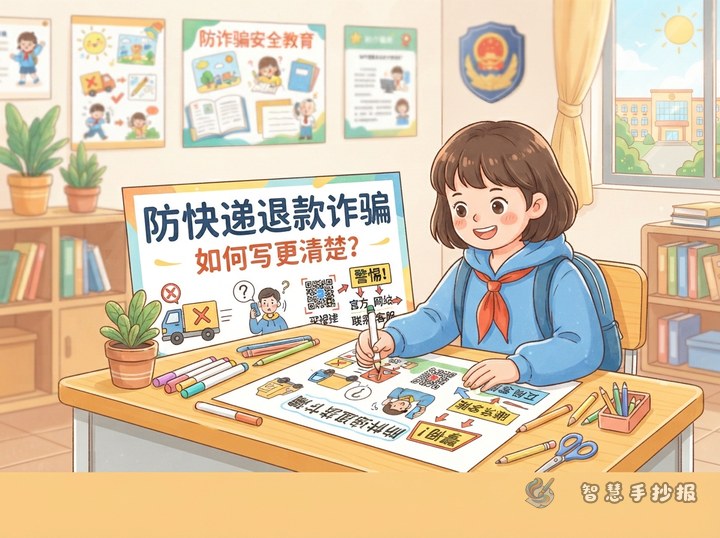
A campus anti-fraud handwritten newspaper works best when it is built for real student situations instead of general slogans. Before writing, think about whether the page is for younger children, upper-grade students, or a classroom display board. The target reader affects the wording and the amount of detail.
For elementary students, short and direct reminders are the most effective, such as “Do not click unknown links,” “Ask a teacher before scanning a code,” and “Check with parents before any money transfer.”
Four sections that make the page useful
1. Common scam examples
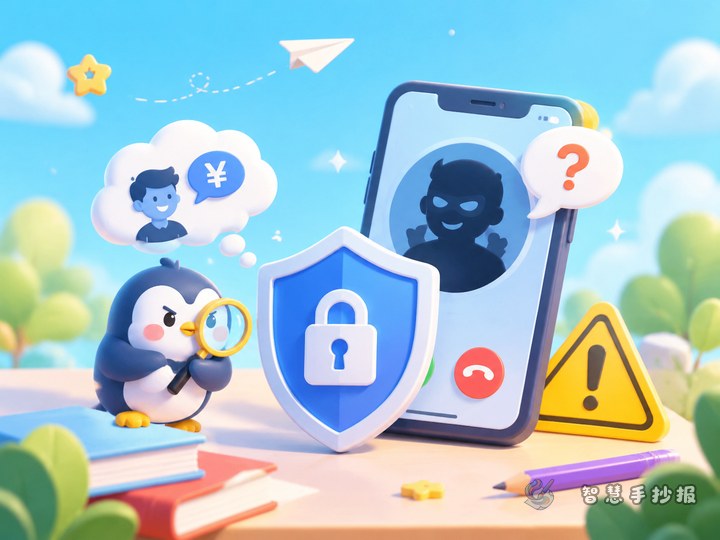
- Someone pretending to be a familiar person and asking for money
- QR code tricks offering gifts or school supplies
- Fake prize and giveaway messages
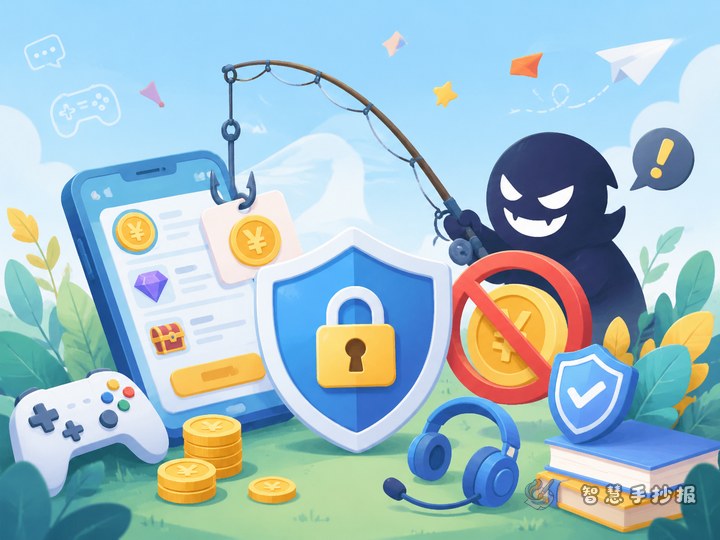
- Game account trading and recharge scams
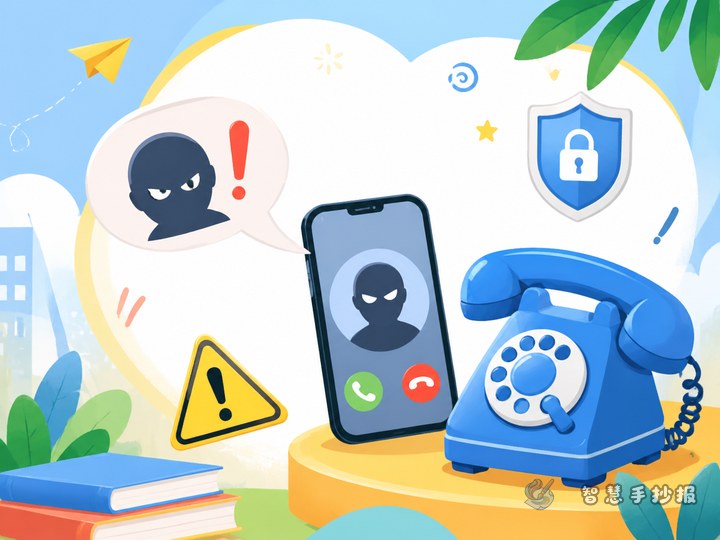
- Suspicious calls, texts, and links
2. Warning signs to notice quickly
- They push you to act immediately
- They ask you to keep it secret from parents or teachers
- They attract you with prizes, cash, or limited-time rewards
- They ask for personal details or account information
- The promise sounds too good to be true
3. What to do in a suspicious situation
- Pause first and do not rush
- Do not click, scan, or transfer money
- Tell a parent, teacher, or school staff member
- Save the message or phone record if needed
- Ask for help in time
4. A short safety rhyme
“Strange calls need checking twice, QR code prizes are not always nice; before money moves, confirm the facts, and ask for help before you act.” A line like this is easy to place in a sidebar or at the end.
Ready-to-use writing materials
Opening line: Anti-fraud safety starts with careful thinking. When facing unknown messages, do not trust quickly, do not click carelessly, and do not send money without checking with adults.
Short warning: Free gifts from strangers often hide a trick.
Safety reminder: Any message that rushes you should make you stop and think. Any request for secrecy should make you ask more questions. Any matter involving money or accounts should be confirmed by parents first.
Closing line: Learn to spot scams, refuse scams, and share safety knowledge with classmates and family members.
A different layout idea
This theme does not have to follow a basic four-box design. You can place the main title in the center and build four surrounding areas for phone scams, QR code scams, online scams, and fake friend messages. This makes the page feel lively and easy to follow.
- Use blue, green, or orange for a bright school-friendly look
- Choose shield, warning tape, speech bubble, or magnifier borders
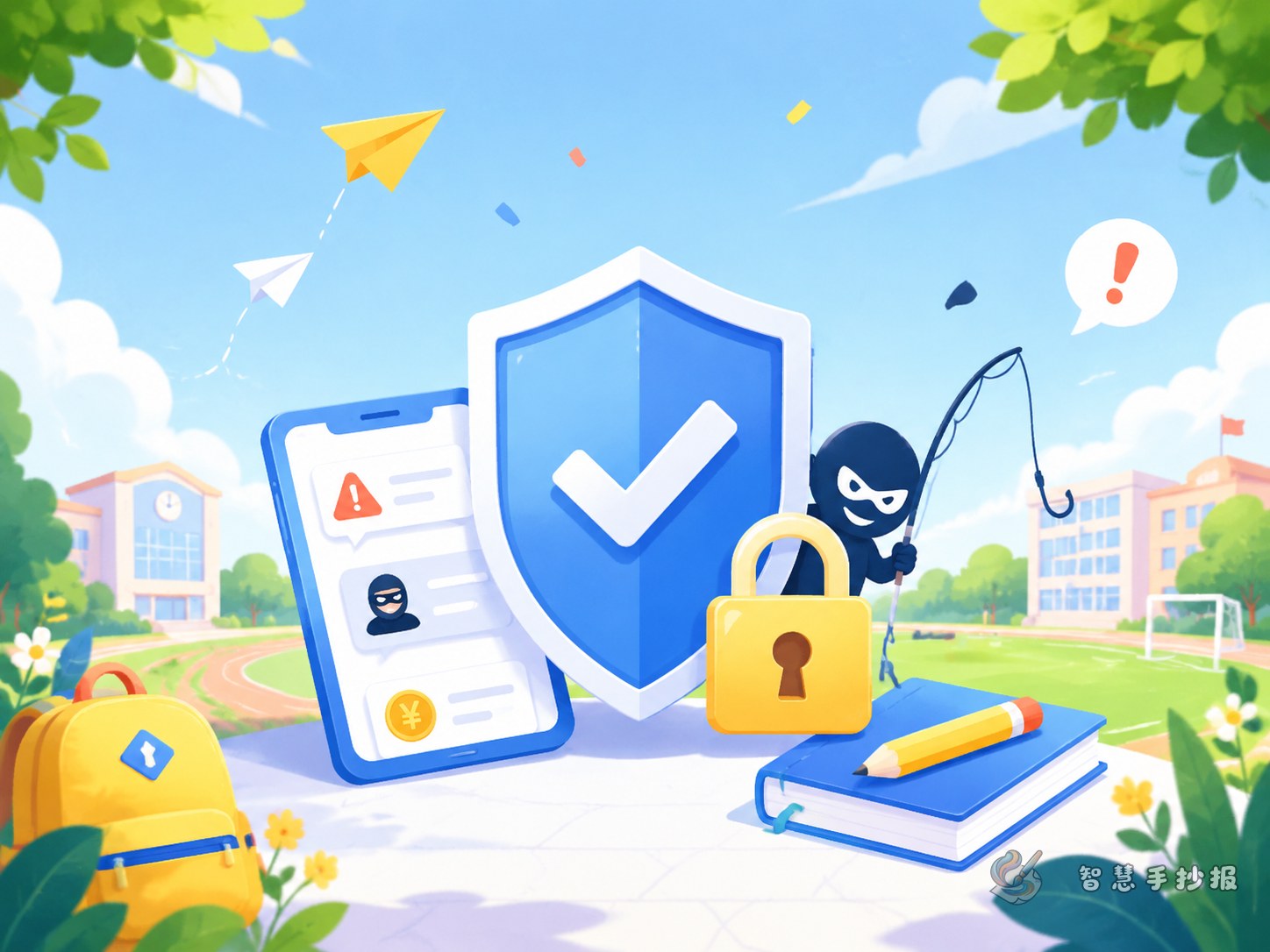
- Add simple drawings like phones, red packets, locks, QR codes, or schoolbags
- Highlight key ideas with bold mini-headings
If space is limited, reduce long explanations and turn key points into short warning cards.
Helpful advice for teachers and parents
Teachers can divide the task by scam type, letting each student prepare one example and then combine the ideas into one page. Parents can help children pick two or three situations they know best, so the content stays clear and not too crowded. Before finishing, check whether the page clearly answers two questions: what is dangerous, and what should a student do next?
If you want to keep improving the title, section style, and page arrangement, you can also continue the design in the Zhihui Shouchaobao WeChat mini program.